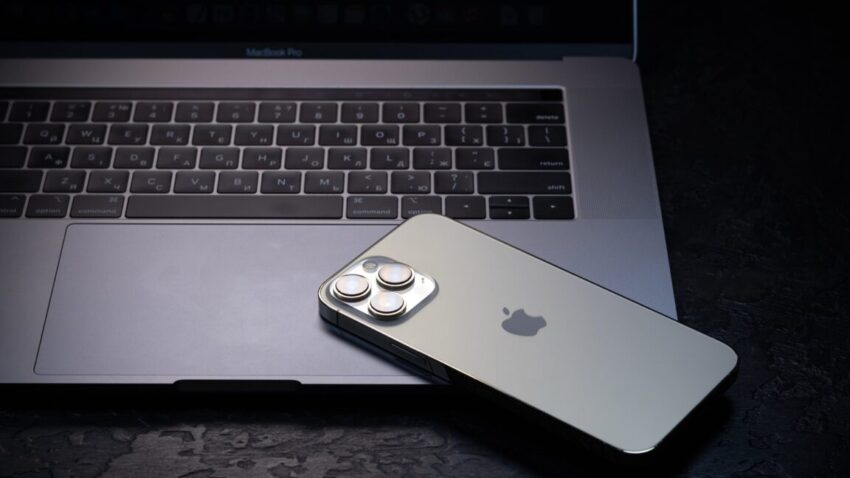
fbi stymied by apple s lockdown mode The FBI has encountered significant challenges in accessing data from a Washington Post reporter’s iPhone due to Apple’s Lockdown Mode, as revealed in a recent court filing.
fbi stymied by apple s lockdown mode
Background of the Incident
The situation unfolded during a search warrant execution at the home of journalist Hannah Natanson on January 14, 2026. The FBI’s investigation centers on a Pentagon contractor suspected of leaking classified information, leading to the seizure of various electronic devices belonging to Natanson and the Washington Post. This incident highlights the ongoing tension between law enforcement agencies and technology companies regarding data privacy and security.
The Seizure of Devices
During the search, FBI agents confiscated multiple items, including:
- An iPhone 13 owned by the Washington Post
- A MacBook Pro owned by the Washington Post
- A second MacBook Pro owned by Natanson
- A 1TB portable hard drive
- A voice recorder
- A Garmin watch
The diverse array of devices indicates the FBI’s intent to gather as much information as possible related to the investigation. However, the seizure of the iPhone 13 has proven particularly problematic due to its Lockdown Mode, a feature designed to enhance user security.
Understanding Apple’s Lockdown Mode
Lockdown Mode is a security feature introduced by Apple to protect users from potential cyber threats. It is particularly useful for individuals who may be at risk of targeted attacks, such as journalists, activists, and public figures. When enabled, Lockdown Mode restricts certain functionalities on the device, making it considerably more challenging for unauthorized users, including law enforcement, to access data.
Features of Lockdown Mode
Some key features of Lockdown Mode include:
- Blocking incoming FaceTime calls and messages from unknown senders
- Disabling certain web technologies, such as JavaScript
- Restricting the use of wired connections to the device
- Preventing the installation of configuration profiles
These measures are designed to protect sensitive information from being accessed or compromised, particularly in situations where the user may be under surveillance or targeted for hacking.
The FBI’s Challenges
The FBI’s inability to access the iPhone 13 has raised questions about the balance between national security and individual privacy rights. While the agency successfully accessed Natanson’s work laptop by utilizing her fingerprint on the MacBook Pro’s fingerprint reader, the same approach was not applicable to the iPhone due to Lockdown Mode’s restrictions.
Legal Implications
This incident has broader implications for law enforcement agencies and their ability to access digital evidence. The FBI’s challenges in bypassing Lockdown Mode may prompt discussions about the legal frameworks governing data privacy and the extent to which technology companies can protect user data from government access.
Legal experts have noted that the situation underscores the ongoing debate about encryption and user privacy. As technology evolves, so do the methods employed by both law enforcement and individuals seeking to protect their data. The FBI’s difficulties in accessing the iPhone may lead to calls for legislative changes or new policies regarding digital privacy and security.
Stakeholder Reactions
The reactions to this incident have been varied, with stakeholders from different sectors weighing in on the implications of Lockdown Mode and the FBI’s challenges. Privacy advocates have praised Apple’s commitment to user security, arguing that features like Lockdown Mode are essential for protecting sensitive information, particularly for journalists and whistleblowers.
Privacy Advocates’ Perspective
Privacy advocates argue that the ability to protect one’s data is a fundamental right, especially for individuals in sensitive positions. Organizations such as the Electronic Frontier Foundation (EFF) have expressed support for Apple’s Lockdown Mode, emphasizing the importance of safeguarding journalistic integrity and the freedom of the press.
Law Enforcement Concerns
Conversely, law enforcement officials have expressed frustration with the limitations imposed by such security features. The FBI’s challenges in accessing the iPhone may lead to calls for greater cooperation between tech companies and law enforcement agencies. Some officials argue that while user privacy is important, there must be a balance that allows for effective law enforcement in cases involving national security and public safety.
The Future of Digital Privacy and Security
This incident serves as a critical reminder of the evolving landscape of digital privacy and security. As technology continues to advance, the methods used by individuals to protect their data will also evolve. The FBI’s difficulties in accessing the iPhone 13 may prompt further discussions about the role of technology companies in facilitating law enforcement investigations while also safeguarding user privacy.
Potential Legislative Changes
In light of this incident, lawmakers may consider reviewing existing legislation related to digital privacy and law enforcement access to data. The balance between individual rights and national security will likely remain a contentious issue, with potential implications for future legislation and policy decisions.
Implications for Journalists
For journalists like Hannah Natanson, the ability to protect their sources and sensitive information is paramount. The challenges faced by the FBI in accessing her iPhone underscore the importance of security features like Lockdown Mode in safeguarding journalistic integrity. As the landscape of digital security continues to evolve, journalists may increasingly rely on such features to protect their work and sources.
Conclusion
The FBI’s inability to access data from a Washington Post reporter’s iPhone due to Apple’s Lockdown Mode highlights the ongoing tension between law enforcement and technology companies regarding data privacy. As the debate over encryption and user privacy continues, the implications of this incident will likely resonate throughout discussions on digital rights, law enforcement access, and the future of technology in safeguarding sensitive information.
Source: Original report
Was this helpful?
Last Modified: February 6, 2026 at 12:43 am
0 views