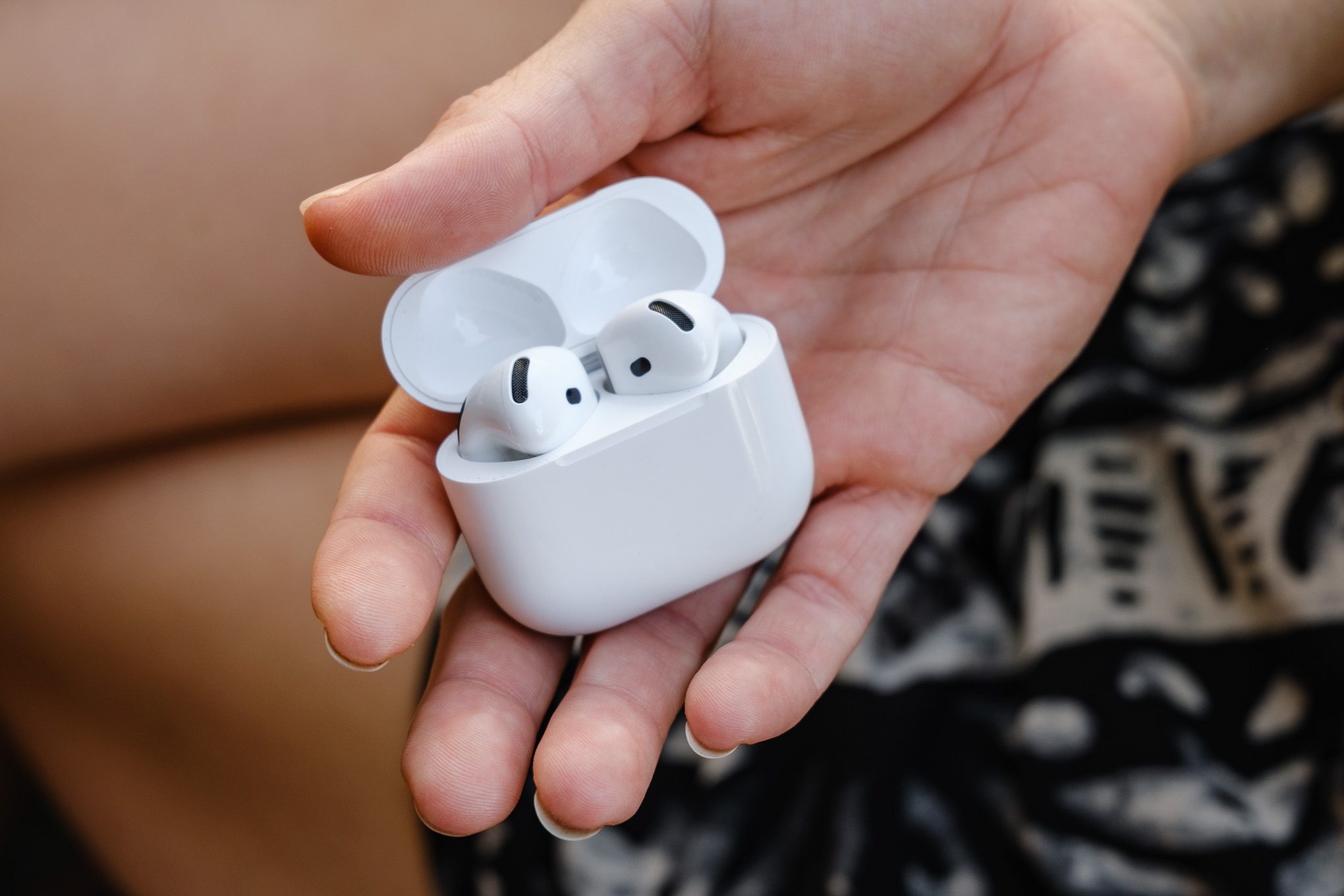
esim adoption is on the rise thanks eSIM technology is gaining traction globally, driven by increased travel and improved device compatibility.
esim adoption is on the rise thanks
Understanding eSIM Technology
Embedded SIM (eSIM) technology has been in existence for about a decade, yet its adoption has been relatively slow. As of last year, global eSIM adoption was approximately 3%, with projections indicating it will surpass 5% this year. Despite these modest figures, there is a growing optimism among analysts, eSIM-providing startups, and investors regarding the technology’s future. This optimism is primarily fueled by the rising demand for eSIMs in the travel sector and the increasing compatibility of devices.
What is eSIM?
eSIM is a digital SIM that allows users to activate a cellular plan without needing a physical SIM card. This technology is embedded directly into the device, enabling users to switch carriers and plans remotely. This flexibility is particularly beneficial for travelers who may need to switch to local carriers to avoid exorbitant roaming fees.
Historical Context
eSIM technology was first introduced in 2012, but its adoption has been slow due to various factors, including limited device compatibility and a lack of consumer awareness. Initially, only a handful of devices supported eSIM, which restricted its use. However, as more manufacturers began to integrate eSIM capabilities into their devices, the landscape started to change.
Current Adoption Rates and Trends
As mentioned, global eSIM adoption was around 3% last year, with expectations to exceed 5% this year. This growth, while still in its infancy, indicates a positive trend. Analysts attribute this increase to several factors, including the rise of international travel and the growing number of devices that support eSIM technology.
Travel as a Catalyst for Adoption
Travel has emerged as a significant driver of eSIM adoption. With more people traveling internationally, the need for flexible mobile connectivity has become paramount. Traditional SIM cards often come with high roaming charges, making eSIM an attractive alternative. Travelers can easily switch to a local carrier upon arrival in a new country, allowing them to access data and voice services at a fraction of the cost.
For instance, a traveler visiting Europe from the United States can purchase a local eSIM plan upon arrival, avoiding the high costs associated with international roaming. This capability not only saves money but also enhances the overall travel experience by providing reliable connectivity.
Device Compatibility and Market Growth
Another crucial factor contributing to the rise of eSIM adoption is the increasing compatibility of devices. Major smartphone manufacturers, including Apple, Samsung, and Google, have begun to incorporate eSIM technology into their latest models. This trend has made eSIM more accessible to consumers, as more people own devices that support this technology.
- Apple: The iPhone XS and later models support eSIM, allowing users to activate cellular plans digitally.
- Samsung: The Galaxy S20 and subsequent models also feature eSIM capabilities, catering to a growing audience.
- Google: The Pixel 3 and newer devices have embraced eSIM technology, further expanding its reach.
As more devices support eSIM, the technology is likely to gain traction among consumers who are increasingly tech-savvy and value convenience.
Implications for Consumers and Businesses
The rise of eSIM technology carries significant implications for both consumers and businesses. For consumers, eSIM offers greater flexibility and convenience. Users can easily switch carriers, manage multiple plans, and avoid the hassle of physically swapping SIM cards. This is particularly beneficial for frequent travelers and those who may want to take advantage of different plans for various needs.
Benefits for Consumers
- Cost Savings: eSIM allows users to avoid high roaming charges by switching to local carriers.
- Convenience: Users can manage multiple plans from a single device without the need for physical SIM cards.
- Flexibility: eSIM technology enables users to quickly switch carriers or plans based on their needs.
Impact on Businesses
For businesses, eSIM technology presents new opportunities. Companies can streamline their operations by managing employee mobile plans more efficiently. Additionally, businesses that operate internationally can benefit from reduced roaming costs and improved connectivity for their employees.
Telecommunications companies are also adapting to this shift. Many are beginning to offer eSIM plans tailored to travelers, providing competitive pricing and flexible options. This shift not only benefits consumers but also drives competition within the telecommunications industry.
Challenges and Barriers to Adoption
Despite the optimistic outlook for eSIM technology, several challenges remain. One of the primary barriers to adoption is consumer awareness. Many consumers are still unfamiliar with eSIM technology and its benefits. Education and marketing efforts will be crucial in helping consumers understand how eSIM works and how it can enhance their mobile experience.
Regulatory and Technical Challenges
Regulatory hurdles also pose challenges to eSIM adoption. Different countries have varying regulations regarding SIM cards and mobile connectivity, which can complicate the implementation of eSIM technology. Additionally, technical challenges related to interoperability between different carriers and devices may hinder widespread adoption.
Future Outlook for eSIM Technology
The future of eSIM technology appears promising, with several trends indicating continued growth. As more devices incorporate eSIM capabilities and consumer awareness increases, adoption rates are expected to rise. Analysts predict that by 2025, eSIM adoption could reach as high as 20% globally, driven by the ongoing demand for flexible mobile connectivity.
Innovations on the Horizon
Innovations in eSIM technology are also expected to play a significant role in its growth. Developments in remote provisioning and management of eSIMs will make it easier for users to switch carriers and plans seamlessly. Additionally, advancements in security features will enhance consumer confidence in adopting eSIM technology.
Stakeholder Reactions
Stakeholders across the telecommunications industry have expressed optimism about the future of eSIM technology. Telecom operators, device manufacturers, and investors are increasingly recognizing the potential of eSIMs to transform the mobile connectivity landscape. Many companies are investing in eSIM-related technologies and services to capitalize on this growing trend.
Conclusion
In summary, eSIM technology is on the rise, driven by increased travel and improved device compatibility. While current adoption rates remain modest, the outlook for the future is optimistic. As consumers become more aware of the benefits of eSIMs and as more devices support this technology, adoption is expected to grow significantly. The implications for consumers and businesses are substantial, offering greater flexibility, cost savings, and convenience. However, challenges remain, and addressing these will be crucial for the continued growth of eSIM technology.
Source: Original report
Was this helpful?
Last Modified: December 5, 2025 at 10:45 pm
2 views