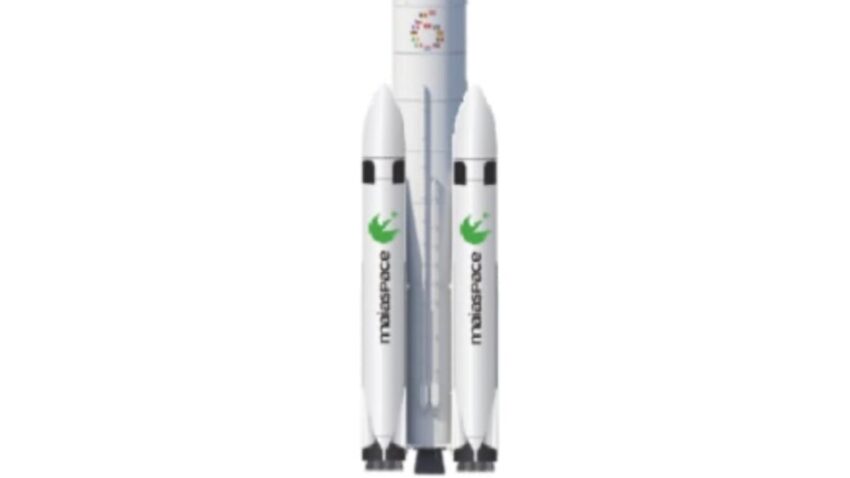
esa considers righting the wrongs of ariane The European Space Agency (ESA) is exploring innovative solutions to address the challenges faced by its Ariane 6 rocket, considering a transformation into a more versatile launch vehicle.
esa considers righting the wrongs of ariane
The Need for Reusable Rockets in Europe
In recent years, a growing consensus has emerged within Europe regarding the necessity for the continent’s space industry to pivot towards developing reusable rockets. This shift is driven by the increasing demand for cost-effective and efficient space launch services, particularly as the global space landscape becomes more competitive. The rise of private space companies, particularly in the United States, has underscored the importance of reusability in reducing launch costs and increasing the frequency of missions.
Despite this consensus, key questions remain unresolved: how to develop these reusable rockets and how much funding should be allocated to such initiatives. The European space sector has traditionally relied on expendable launch systems, with the Ariane 6 being the latest example. Launched less than two years ago, the Ariane 6 follows the conventional “use it and lose it” model that has characterized much of the space industry since its inception.
Ariane 6: A Brief Overview
The Ariane 6 rocket was designed to be a more cost-effective alternative to its predecessor, the Ariane 5, which had established a strong reputation for reliability. However, the Ariane 6’s reliance on expendable components has raised concerns about its long-term viability in a rapidly evolving market. As the space industry shifts towards reusability, the Ariane 6’s design may soon be seen as outdated.
ESA’s exploration of transforming the Ariane 6 into a “Franken-rocket” reflects a broader trend in the aerospace sector, where companies are increasingly looking for hybrid solutions that combine the best features of existing technologies with innovative new designs. This approach could potentially enhance the Ariane 6’s capabilities, allowing it to compete more effectively with reusable rockets from private companies.
Funding Initiatives by ESA
In response to the pressing need for innovation, the European Space Agency has taken proactive steps to support emerging rocket companies across Europe. ESA is offering financial incentives aimed at proving the viability of small satellite launchers, which are becoming increasingly important in the context of the growing small satellite market. These small launch vehicles are designed to cater to the needs of various sectors, including telecommunications, Earth observation, and scientific research.
In addition to supporting small satellite launchers, ESA is also making funds available to encourage upgrades to existing rocket systems. These upgrades are intended to enhance the payload capacity of rockets, enabling them to carry heavier cargo into orbit. This is crucial as the demand for larger payloads continues to rise, driven by advancements in technology and the increasing complexity of satellite missions.
Vertical Takeoff and Landing Technologies
One of the key areas of focus for ESA is the development of vertical takeoff and vertical landing (VTVL) technologies. These technologies are essential for creating reusable rockets that can return to Earth safely after completing their missions. ESA, in collaboration with the European Commission and national governments, is funding various rocket hoppers to demonstrate VTVL capabilities.
These rocket hoppers serve as test vehicles, allowing engineers to experiment with different designs and technologies in a controlled environment. By successfully demonstrating VTVL, ESA aims to pave the way for future reusable launch systems that can significantly reduce the cost of access to space.
The Challenges Ahead
Despite the significant financial backing and initiatives from ESA, the path towards developing reusable rockets in Europe is fraught with challenges. One of the primary obstacles is the lack of cohesion among the various projects currently underway. While there is considerable investment in different rocket programs, these efforts are often fragmented, leading to slow progress and potential duplication of work.
Moreover, the European space industry must contend with the established dominance of American companies like SpaceX and Blue Origin, which have already made significant strides in reusable rocket technology. These companies have set a high bar for performance and cost-effectiveness, making it imperative for European entities to innovate rapidly and efficiently.
Stakeholder Reactions
The reactions from various stakeholders within the European space sector have been mixed. Some industry leaders express optimism about the potential for a “Franken-rocket” approach, viewing it as a pragmatic solution to the challenges posed by the Ariane 6’s design. They argue that leveraging existing technologies while incorporating new innovations could lead to a more competitive launch vehicle.
On the other hand, there are concerns about the feasibility of such an approach. Critics point out that modifying an existing rocket may not yield the same level of performance and reliability as a purpose-built reusable rocket. Additionally, the complexities involved in integrating various technologies could lead to delays and increased costs.
Implications for the Future of European Space Launches
The implications of ESA’s considerations extend beyond the immediate challenges of the Ariane 6. The agency’s focus on reusability reflects a broader trend within the global space industry, where the demand for cost-effective and flexible launch options is growing. As more countries and private companies enter the space race, the need for efficient launch systems will only intensify.
Should ESA successfully navigate the complexities of developing a reusable rocket, it could position Europe as a significant player in the global space launch market. This would not only enhance Europe’s capabilities in satellite deployment but also foster innovation and collaboration within the European space sector.
The Role of International Collaboration
International collaboration will be crucial in achieving these ambitious goals. The European space industry has a rich history of partnerships, and leveraging these relationships could accelerate the development of reusable rocket technologies. Collaborations with established players in the aerospace sector, both within Europe and globally, could provide valuable insights and resources.
Furthermore, engaging with academic institutions and research organizations could foster innovation and drive advancements in rocket technology. By creating a collaborative ecosystem, ESA and its partners can enhance their chances of success in developing a competitive reusable launch vehicle.
Conclusion
The European Space Agency’s exploration of transforming the Ariane 6 into a more versatile launch vehicle reflects a critical juncture for the continent’s space industry. As the demand for reusable rockets grows, ESA’s initiatives to support emerging companies and develop new technologies are essential steps toward ensuring Europe’s competitiveness in the global space market. While challenges remain, the potential for innovation and collaboration offers a promising path forward.
Source: Original report
Was this helpful?
Explore more: More General Technology Tech News Blog
Last Modified: January 10, 2026 at 5:37 pm
12 views