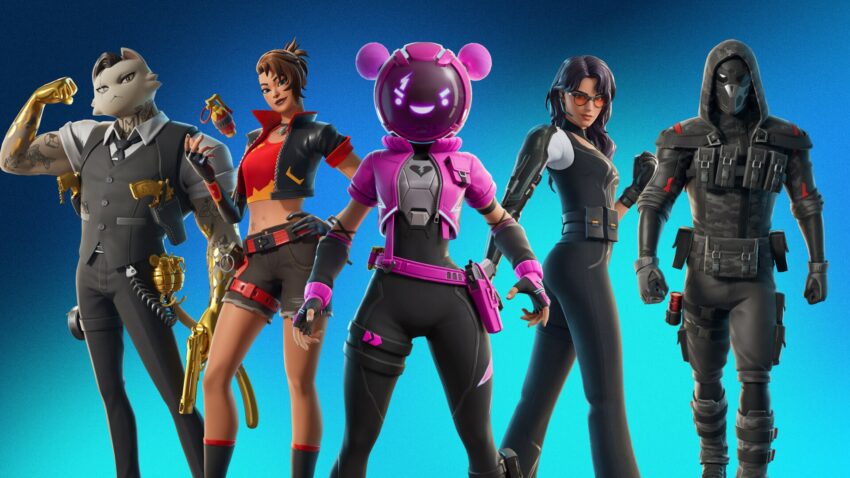
epic wants to let you bring your Epic Games is making strides toward a more interconnected gaming experience by allowing players to use their Fortnite skins in other games, a move that could redefine the concept of digital ownership in the gaming industry.
epic wants to let you bring your
Epic’s Vision for an Interoperable Metaverse
For several years, Epic Games has been vocal about its vision for an interoperable metaverse—a digital universe where players can seamlessly interact across various platforms and games. This ambitious concept has yet to fully materialize, but recent announcements indicate that Epic is taking significant steps toward making it a reality. The introduction of Unreal Engine 6, the next iteration of its widely-used game development engine, is central to this vision.
Unreal Engine 6: A Game Changer
Unreal Engine 6 is set to revolutionize the way developers create games. With enhanced capabilities, it aims to facilitate the development of complex gaming environments that can support cross-game functionalities. One of the standout features of Unreal Engine 6 is its ability to allow developers to integrate Fortnite skins into their own games. This means that players will not only be able to use their beloved Fortnite characters in different gaming experiences but also have the opportunity to create and share their own skins that can be utilized within Fortnite.
Why Fortnite Skins Matter
Fortnite has become synonymous with customizable characters, thanks to its vast array of skins. These skins are not merely cosmetic; they represent a form of identity for players. By allowing these skins to be used across various games, Epic is enhancing the value of digital assets and promoting a sense of ownership among players. This move could potentially lead to a more engaged gaming community, as players will have more reasons to invest time and resources into their digital avatars.
Technical Implications of Cross-Game Skins
The technical implementation of cross-game skins presents both challenges and opportunities for developers. Epic aims to provide a framework that allows for the easy integration of skins across different gaming environments. This will require a standardized approach to asset creation and management, ensuring that skins maintain their quality and functionality regardless of the game they are used in.
Asset Management and Compatibility
One of the primary concerns in implementing cross-game skins is asset management. Developers will need to ensure that skins are compatible with various game engines and that they do not disrupt gameplay mechanics. Epic’s solution involves creating a robust asset management system that allows developers to easily import and export skins while maintaining their integrity. This system will also facilitate updates and modifications, allowing for a dynamic gaming experience.
Player Value and Engagement
By enabling players to use their Fortnite skins in other games, Epic is not only enhancing player value but also fostering greater engagement. Players are more likely to invest in games that offer a sense of continuity and personalization. The ability to carry over their digital identities can lead to increased player retention, as gamers will feel more connected to the overall gaming ecosystem.
Stakeholder Reactions and Industry Implications
The announcement has garnered mixed reactions from various stakeholders within the gaming industry. Developers are excited about the potential for increased creativity and collaboration, while some are cautious about the implications for game balance and monetization.
Developer Enthusiasm
Many developers view the integration of Fortnite skins as an opportunity to innovate. The ability to create unique gaming experiences that incorporate popular skins can lead to new gameplay mechanics and narratives. This could also encourage smaller developers to experiment with their creations, knowing they have a built-in audience from the Fortnite community.
Concerns About Game Balance
However, there are concerns regarding game balance. Critics argue that allowing players to use skins from Fortnite in other games could lead to an uneven playing field, especially in competitive environments. Developers will need to carefully consider how these skins are integrated and whether they provide any gameplay advantages. Ensuring that skins remain purely cosmetic will be crucial in maintaining fairness.
Monetization Strategies
Another point of contention is the potential impact on monetization strategies. Fortnite has been highly successful with its free-to-play model, relying on in-game purchases for revenue. If players can use their Fortnite skins in other games, it raises questions about how developers will monetize their own titles. Will they need to adopt similar models, or will they find ways to differentiate themselves? This could lead to a shift in how games are marketed and sold in the future.
The Future of Digital Ownership
Epic’s initiative to allow cross-game skin usage could have broader implications for digital ownership in the gaming industry. As players increasingly invest in virtual assets, the concept of ownership is evolving. Traditionally, players have had limited control over their digital purchases, often confined to the games in which they were bought. By enabling interoperability, Epic is challenging this notion and advocating for a more player-centric approach.
Blockchain and Digital Assets
While Epic has not explicitly mentioned blockchain technology in relation to cross-game skins, the conversation around digital ownership often intersects with blockchain discussions. The use of non-fungible tokens (NFTs) has gained traction in the gaming world, allowing players to truly own their digital assets. Epic’s move could pave the way for future integrations with blockchain, where players can buy, sell, and trade their skins across various platforms.
Community Building and Player Interaction
Moreover, this initiative could foster a stronger sense of community among players. As gamers share their skins and experiences across different titles, it can lead to increased interaction and collaboration. This sense of belonging can be particularly important in a time when online gaming communities are more vital than ever.
Conclusion: A Step Toward the Metaverse
Epic Games’ decision to allow Fortnite skins to be used in other games is a significant step toward realizing the vision of an interoperable metaverse. By leveraging Unreal Engine 6, Epic is not only enhancing player value but also challenging traditional notions of digital ownership. While there are challenges to overcome, the potential for increased creativity, community engagement, and new monetization strategies is immense. As the gaming landscape continues to evolve, Epic’s bold move may well set the stage for the future of digital interaction and ownership in the gaming industry.
Source: Original report
Was this helpful?
Explore more: More Gaming Tech News Blog
Last Modified: June 18, 2026 at 1:37 am
19 views