dxomark puts the iphone air s single DXOMARK has evaluated the iPhone Air’s single rear camera, a decision that has sparked considerable debate among consumers and tech enthusiasts alike.
dxomark puts the iphone air s single
Introduction to the iPhone Air’s Camera Design
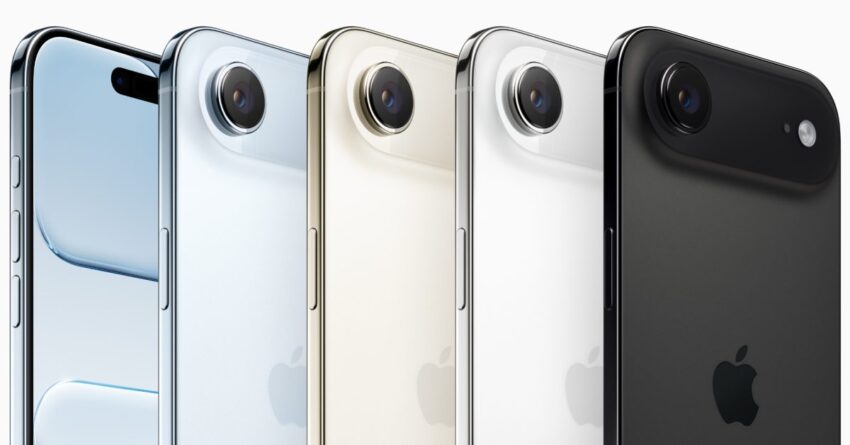
Apple’s iPhone Air has generated significant attention, particularly due to its choice to feature a single rear camera. This design decision marks a departure from the multi-camera setups that have become standard in many flagship smartphones. While some users appreciate the simplicity and potential cost savings, others question whether a single camera can meet the demands of modern photography. DXOMARK, a well-respected authority in camera testing, has conducted a thorough evaluation of the iPhone Air’s camera capabilities, providing insights into its performance in various conditions.
DXOMARK Testing Methodology
DXOMARK employs a rigorous testing methodology that evaluates smartphone cameras across a range of criteria. Their assessments consider several factors, including:
- Photo Quality: This includes color accuracy, exposure, and detail preservation in various lighting conditions.
- Video Quality: DXOMARK assesses video stabilization, dynamic range, and overall clarity.
- Autofocus Performance: The speed and accuracy of the camera’s autofocus system are crucial for capturing sharp images.
- Low-Light Performance: This evaluates how well the camera performs in dim lighting scenarios.
- Usability: This encompasses the overall user experience, including interface and ease of use.
By employing this comprehensive approach, DXOMARK aims to provide a balanced view of a smartphone camera’s capabilities, allowing consumers to make informed decisions.
Performance Overview of the iPhone Air’s Camera
Photo Quality
In terms of photo quality, the iPhone Air’s single rear camera has shown commendable performance. DXOMARK noted that the camera excels in well-lit environments, producing images with vibrant colors and impressive detail. The color accuracy is particularly noteworthy, with the camera capturing skin tones and landscapes in a way that feels natural and true to life.
However, the limitations of a single camera setup become apparent in more challenging lighting conditions. While the iPhone Air performs adequately in moderate low light, it struggles to maintain detail and clarity in darker environments. DXOMARK highlighted instances where noise became more pronounced, affecting the overall quality of the images.
Video Quality
When it comes to video quality, the iPhone Air also demonstrates strong capabilities. The camera supports 4K video recording, allowing users to capture high-resolution footage. DXOMARK praised the camera’s stabilization features, which help to smooth out shaky footage, making it ideal for casual videographers.
Despite these strengths, the single-camera design does present some limitations. The lack of multiple lenses means that users cannot switch between different focal lengths, which can be a drawback for those looking to achieve specific cinematic effects. Additionally, while the iPhone Air’s video quality is generally high, it may not match the versatility offered by devices with multiple camera systems.
Autofocus Performance
Autofocus is a critical aspect of any camera system, and the iPhone Air’s performance in this area is largely positive. DXOMARK found that the autofocus system is quick and reliable, allowing users to capture sharp images with minimal delay. This is particularly beneficial for action shots or candid moments where timing is essential.
However, there were instances noted where the autofocus struggled in low-light conditions, leading to slower performance and occasional misfocus. This limitation is not uncommon in single-camera setups, as they often rely on fewer sensors and technologies compared to their multi-camera counterparts.
Low-Light Performance
Low-light performance is often a decisive factor for many smartphone users, especially those who enjoy nighttime photography or indoor shooting. The iPhone Air’s single rear camera offers decent performance in low-light scenarios, but it is not without its challenges. DXOMARK reported that while the camera can produce usable images in dim lighting, the results are often accompanied by noticeable noise and a loss of detail.
In comparison to other smartphones equipped with multiple lenses, the iPhone Air’s low-light capabilities may fall short. Users looking for exceptional low-light performance may need to consider devices that offer advanced features such as larger sensors or dedicated night modes.
User Experience and Usability
Beyond technical specifications, the user experience plays a significant role in the overall appeal of a smartphone camera. The iPhone Air’s camera interface is intuitive and user-friendly, making it accessible for both novice and experienced photographers. DXOMARK noted that the camera app provides a straightforward layout, allowing users to quickly access various shooting modes and settings.
Additionally, the integration of software features, such as Smart HDR and computational photography enhancements, contributes to the overall usability of the camera. These features help to optimize image quality automatically, allowing users to focus more on composition rather than technical settings.
Stakeholder Reactions
The decision to equip the iPhone Air with a single rear camera has elicited mixed reactions from consumers and industry experts. Supporters of the design argue that it simplifies the user experience and reduces the overall cost of the device. They appreciate the focus on quality over quantity, suggesting that a well-optimized single camera can outperform poorly executed multi-camera setups.
Conversely, critics argue that the limitations of a single camera may hinder the device’s appeal, particularly among photography enthusiasts who seek versatility and advanced features. Some users have expressed concerns that the lack of multiple lenses restricts creative possibilities, especially for those interested in portrait or macro photography.
Comparative Analysis with Competitors
In the competitive smartphone market, the iPhone Air’s single rear camera faces challenges from devices that feature multi-camera systems. Many flagship smartphones now come equipped with multiple lenses, offering users a range of focal lengths and specialized capabilities. For instance, devices with ultra-wide and telephoto lenses allow for greater creative flexibility, enabling users to capture a wider variety of shots.
While the iPhone Air’s camera performs admirably in many respects, it may not be able to compete with the versatility offered by these multi-camera setups. Users who prioritize photography may find themselves drawn to devices that provide more options for capturing different types of images.
Conclusion
In conclusion, the iPhone Air’s single rear camera presents a compelling option for users who value simplicity and ease of use. DXOMARK’s evaluation highlights the camera’s strengths in photo and video quality, autofocus performance, and user experience. However, the limitations of a single camera setup, particularly in low-light conditions and creative versatility, may deter some potential buyers.
As smartphone technology continues to evolve, the debate over single versus multi-camera systems is likely to persist. For those who prioritize a streamlined experience and are willing to accept certain limitations, the iPhone Air may be an excellent choice. However, photography enthusiasts seeking advanced features and versatility may need to explore other options in the market.
Source: Original report
Was this helpful?
Explore more: More Consumer Technology Tech News Blog
Last Modified: November 25, 2025 at 10:39 am
15 views