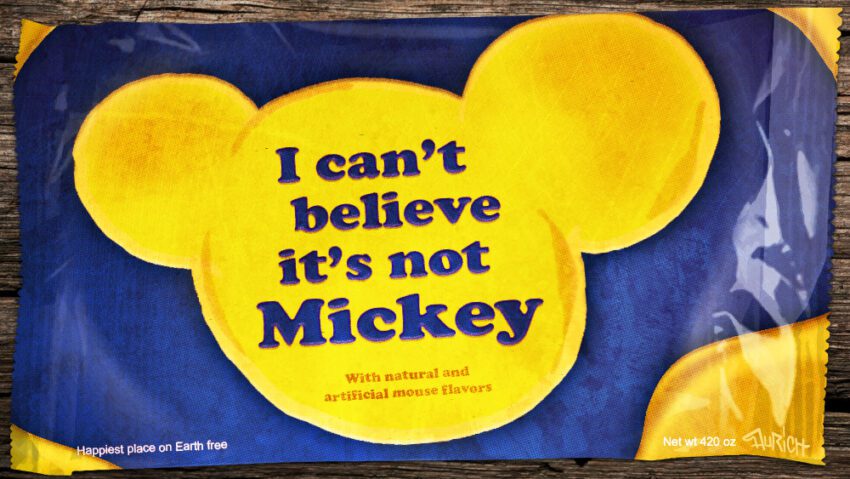
disney says google ai infringes copyright on Disney has initiated a significant legal challenge against Google, alleging that the tech giant’s AI tools infringe on its copyrights “on a massive scale.”
disney says google ai infringes copyright on
Background on Copyright and AI
The intersection of artificial intelligence (AI) and copyright law has become a contentious issue as AI technologies evolve. Copyright law is designed to protect the rights of creators by preventing unauthorized use of their works. However, as AI systems increasingly rely on vast datasets to learn and generate content, the boundaries of copyright are being tested. This legal battle is not just about Disney and Google; it represents a broader struggle within the entertainment industry and tech sector regarding intellectual property rights in the age of AI.
In recent years, various stakeholders, including artists, authors, and corporations, have raised concerns about how AI models are trained and the potential for copyright infringement. The legal framework surrounding these issues is still developing, and cases like Disney’s against Google could set important precedents for the future of AI and copyright law.
Details of Disney’s Cease and Desist Letter
Disney’s cease and desist (C&D) letter to Google outlines several allegations regarding the misuse of its intellectual property. According to Disney, Google has engaged in multiple forms of copyright infringement, primarily by using a “large corpus” of Disney’s works to train its generative AI models. This claim is particularly significant given the popularity of Disney characters and franchises, which are deeply embedded in popular culture.
Allegations of Data Usage
The C&D letter asserts that Google has utilized a substantial amount of Disney’s copyrighted material to enhance its AI capabilities. This includes images, videos, and other media that feature iconic Disney characters. The ability of Google’s AI models to generate content that resembles Disney’s beloved characters raises serious questions about the legality of the data used for training these models.
For instance, Google’s image and video generation tools can produce visuals of characters from franchises such as “The Lion King,” “Star Wars,” and “Deadpool.” Disney argues that such capabilities are only possible if Google has fed its AI systems with a significant amount of Disney’s proprietary content. This assertion aligns with concerns raised by many creators who fear that their works are being exploited without compensation or permission.
Distribution of Protected Works
In addition to the allegations regarding data usage, Disney’s letter also addresses the distribution of copyrighted material. Disney claims that Google has been distributing “copies of its protected works” to consumers through its AI tools. This aspect of the complaint is particularly noteworthy, as it suggests that Google is not only using Disney’s content for training purposes but also making it available to the public in a manner that violates copyright law.
The implications of this claim are significant. If Disney’s allegations are proven true, it could mean that countless memes and other user-generated content featuring Disney characters—often shared widely on social media—are infringing on Disney’s copyrights. This could lead to a broader crackdown on the use of copyrighted characters in AI-generated content, affecting not just Google but other companies that utilize similar technologies.
Stakeholder Reactions
The response to Disney’s legal action has been mixed, with various stakeholders weighing in on the implications of this case. Industry experts, legal analysts, and creators have expressed a range of opinions on the matter.
Legal Experts Weigh In
Legal experts have noted that Disney’s move is significant, as it represents a major corporation taking a stand against a tech giant. Some legal analysts believe that this case could set a precedent for how copyright law is applied to AI-generated content. They argue that if Disney is successful in its claims, it could lead to stricter regulations on how AI companies utilize copyrighted material for training their models.
Conversely, some experts caution that this could stifle innovation in the AI sector. They argue that if companies are overly restricted in their ability to use existing works for training purposes, it could hinder the development of new technologies. This tension between protecting intellectual property and fostering innovation is at the heart of the ongoing debate surrounding AI and copyright law.
Creators and Artists Respond
Many creators and artists have expressed support for Disney’s legal action, viewing it as a necessary step to protect their rights. Independent artists, in particular, have voiced concerns about the potential for AI to exploit their work without compensation. They argue that if large corporations like Google can use copyrighted material without consequences, it sets a dangerous precedent for all creators.
On the other hand, some creators have raised concerns about the implications of Disney’s actions for user-generated content. The rise of AI tools has enabled individuals to create and share content in ways that were previously unimaginable. Many users enjoy creating memes and other forms of art that incorporate popular characters, and a crackdown on such activities could limit creative expression.
The Broader Implications for the Tech Industry
Disney’s legal challenge against Google is emblematic of a larger struggle within the tech industry regarding the use of copyrighted material in AI development. As AI technologies become more sophisticated, the need for clear guidelines and regulations is becoming increasingly urgent.
Potential Regulatory Changes
If Disney’s allegations are upheld in court, it could prompt regulatory changes that affect how AI companies operate. Lawmakers may be compelled to establish clearer rules regarding the use of copyrighted material in AI training. This could lead to a more structured approach to intellectual property rights in the digital age, benefiting both creators and tech companies.
However, the potential for regulatory changes also raises concerns about overreach. Striking the right balance between protecting intellectual property and allowing for innovation will be a complex challenge for lawmakers. The outcome of Disney’s case against Google may serve as a catalyst for these discussions.
Impact on AI Development
The outcome of this legal battle could also influence the trajectory of AI development. If companies are forced to navigate a more complex legal landscape, it may slow down the pace of innovation in the AI sector. Startups and smaller companies, in particular, may find it challenging to operate under stricter regulations, potentially stifling competition and creativity.
Conclusion
Disney’s cease and desist letter to Google marks a pivotal moment in the ongoing dialogue surrounding copyright and AI. As the legal battle unfolds, it will be crucial to monitor the implications for both the entertainment industry and the tech sector. The outcome of this case could set important precedents for how copyright law is applied in the age of AI, influencing the future of content creation and distribution.
As stakeholders from various sectors weigh in on the implications of this legal challenge, the tension between protecting intellectual property and fostering innovation remains at the forefront of discussions. The resolution of this case may not only impact Disney and Google but could also shape the future landscape of AI development and copyright law for years to come.
Source: Original report
Was this helpful?
Last Modified: December 12, 2025 at 1:36 am
9 views