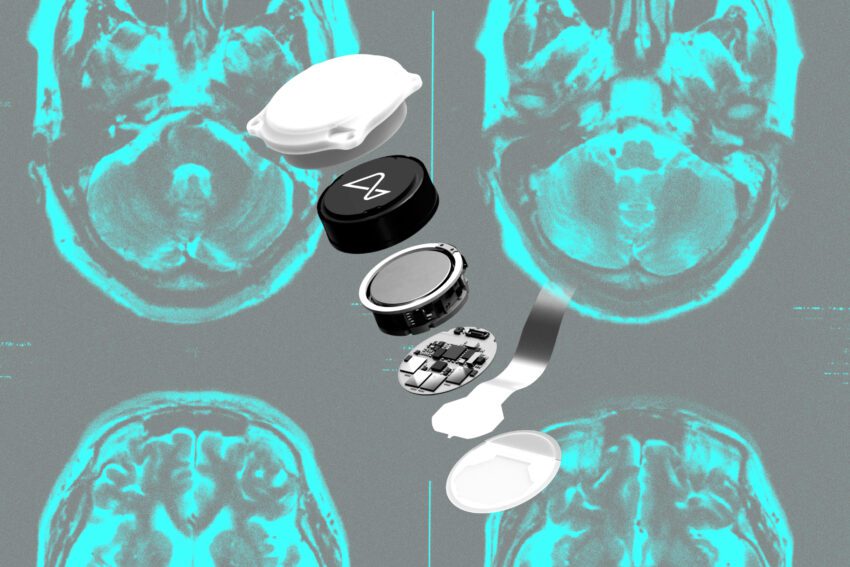
did neuralink make the wrong bet Neuralink, the brain-computer interface company co-founded by Elon Musk, is facing significant challenges in its quest to revolutionize human cognition and interaction with technology.
did neuralink make the wrong bet
The Vision Behind Neuralink
Elon Musk has long been an advocate for the integration of artificial intelligence (AI) with human capabilities. His vision for Neuralink was ambitious: to create brain-computer interfaces (BCIs) that would not only restore lost functions for individuals with neurological disorders but also enhance human cognitive abilities to superhuman levels. Musk’s promises included the potential for minds to merge with AI, leading to unprecedented advancements in human thought and creativity.
However, the journey to achieving these lofty goals has been fraught with challenges, both technical and ethical. As Neuralink has progressed, the gap between Musk’s grand promises and the reality of the technology has become increasingly apparent.
The Hype Train and Its Consequences
From the outset, Musk fueled a runaway hype train surrounding Neuralink. Public demonstrations showcased the potential of the technology, including a pig named Gertrude that had a Neuralink implant, which allowed her to control a computer interface with her brain activity. These demonstrations generated significant media attention and public interest, painting a picture of a near-future where BCIs could fundamentally alter human experience.
However, the reality of developing such advanced technology is much more complex. Neuralink’s focus has primarily been on brain-to-cursor interfaces, enabling patients to control a computer mouse with their thoughts. While this represents a significant achievement, it is a far cry from the more ambitious goals Musk has set forth.
The Technical Challenges
The core challenge facing Neuralink lies in the translation of thought into actionable results. The brain is an incredibly complex organ, with billions of neurons communicating through intricate networks. Understanding how to decode these signals into meaningful commands is a monumental task. Current BCIs have made strides in this area, but they are still limited in their capabilities.
Neuralink’s technology relies on a series of tiny electrodes implanted in the brain, which record neural activity. While this approach has shown promise in controlled environments, the long-term effects of such implants on brain tissue remain uncertain. Concerns have been raised about the potential for tissue damage, inflammation, and the body’s immune response to foreign objects.
Ethical Considerations
In addition to technical hurdles, Neuralink faces significant ethical questions. The company has conducted experiments on animals, including monkeys, to test its implants. Reports of adverse effects and the treatment of these animals have sparked outrage among animal rights advocates and raised questions about the ethical implications of such research.
As Neuralink moves towards human trials, the ethical landscape becomes even more complex. The potential for misuse of BCI technology, particularly in terms of privacy and autonomy, is a pressing concern. Questions about consent, data security, and the potential for coercion in vulnerable populations must be addressed as the technology advances.
Current Progress and Human Trials
Despite the challenges, Neuralink has made some progress in its research and development. The company has received regulatory approval to conduct human trials, a significant milestone that indicates a level of confidence in its technology. However, the scope of these trials and the criteria for participant selection remain unclear.
Initial human trials will likely focus on individuals with severe neurological conditions, such as paralysis or ALS, who could benefit from the ability to control devices through thought. While this represents a meaningful application of the technology, it is still a far cry from Musk’s vision of enhancing human cognition for the general population.
Stakeholder Reactions
The reactions from stakeholders in the medical and technology communities have been mixed. Some experts express optimism about the potential of BCIs to improve the quality of life for individuals with disabilities. Others, however, caution against overhyping the technology and emphasize the need for rigorous testing and ethical considerations.
Neuroscientists have pointed out that while Neuralink’s technology is innovative, it is still in its infancy. The complexities of the brain and the nuances of neural signaling mean that the path to achieving Musk’s vision will be long and fraught with obstacles. Many experts advocate for a more measured approach, focusing on incremental advancements rather than sweeping promises of superhuman capabilities.
The Road Ahead
As Neuralink continues its journey, several key factors will influence its success. First and foremost is the need for robust scientific validation. The company must demonstrate that its technology is safe and effective through rigorous clinical trials. This will require collaboration with medical professionals and researchers to ensure that the technology meets ethical and scientific standards.
Additionally, public perception will play a crucial role in Neuralink’s future. As the company navigates the complexities of human trials, it will need to maintain transparency and address concerns from both the public and regulatory bodies. Building trust will be essential, especially given the controversial nature of its animal testing practices.
Potential Applications Beyond Medical Use
While the initial focus of Neuralink is on medical applications, the potential for broader use cases exists. If successful, BCIs could revolutionize various fields, including education, communication, and even entertainment. The ability to enhance cognitive functions could lead to new ways of learning and interacting with technology.
However, these possibilities also raise ethical questions about access and equity. If BCIs become available to the general public, there is a risk that they could exacerbate existing inequalities. Ensuring that the technology is accessible and beneficial to all segments of society will be a critical challenge moving forward.
Conclusion
Neuralink’s journey is emblematic of the broader challenges faced by ambitious technology ventures. While the potential for brain-computer interfaces to transform human experience is immense, the road to realization is fraught with scientific, ethical, and societal hurdles. As Elon Musk and his team continue to push the boundaries of what is possible, the world watches closely, weighing the promise of superhuman capabilities against the realities of scientific limitations and ethical considerations.
Source: Original report
Was this helpful?
Last Modified: April 13, 2026 at 4:35 pm
3 views