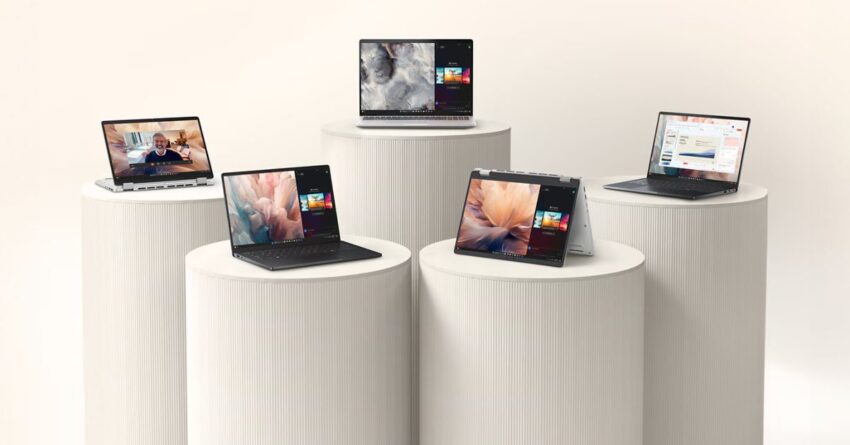
Dell has acknowledged a significant disconnect between the hype surrounding artificial intelligence (AI) and the actual preferences of PC buyers.
The AI Hype Cycle in the Tech Industry
Artificial intelligence has emerged as a dominant theme in the technology sector over the past several years. Major companies, including Apple, Google, and Microsoft, have heavily invested in AI research and development, integrating machine learning capabilities into their products and services. This trend has led to a proliferation of AI-driven features, from virtual assistants to predictive analytics, all marketed as essential components of modern computing.
Despite the widespread enthusiasm for AI, Dell’s recent admission sheds light on a critical aspect of consumer behavior: the average PC buyer may not prioritize AI capabilities when making purchasing decisions. This revelation raises questions about the true value of AI in consumer electronics and the extent to which it influences market trends.
Dell’s Insights on Consumer Preferences
During a recent earnings call, Dell’s executives candidly discussed the company’s observations regarding consumer sentiment toward AI. They noted that while AI has garnered significant attention in marketing and product development, it has not yet translated into a decisive factor for most PC buyers. According to Dell, consumers are more focused on practical features such as performance, battery life, and price rather than the integration of AI technologies.
This perspective is particularly noteworthy given the substantial investments that tech companies have made in AI. The expectation has been that consumers would embrace AI-enhanced products, leading to increased sales and market growth. However, Dell’s findings suggest that the reality may be more nuanced.
Understanding Consumer Priorities
To better understand the factors influencing PC purchasing decisions, it is essential to consider the diverse needs and preferences of consumers. While tech enthusiasts and early adopters may be drawn to the latest AI innovations, the average buyer often prioritizes more immediate and tangible benefits. Key factors influencing consumer choices include:
- Performance: Buyers typically seek devices that deliver reliable performance for everyday tasks, such as browsing, streaming, and productivity applications.
- Battery Life: Longevity and efficiency are crucial, especially for users who rely on their devices for extended periods without access to power sources.
- Price: Cost remains a significant consideration, with many consumers looking for the best value for their investment.
- Brand Reputation: Established brands often have an advantage, as consumers tend to trust companies with a history of quality and reliability.
The Implications of Dell’s Findings
Dell’s admission has several implications for the tech industry and its approach to AI. First, it suggests that companies may need to recalibrate their marketing strategies to focus on the features that resonate most with consumers. Instead of emphasizing AI capabilities, tech firms might benefit from highlighting practical advantages that enhance user experience.
Moreover, this insight could influence product development priorities. If AI is not a primary concern for most buyers, companies may choose to allocate resources differently, focusing on improving core functionalities rather than pursuing cutting-edge AI features that may not appeal to the broader market.
Stakeholder Reactions
The tech community has responded to Dell’s insights with a mix of skepticism and curiosity. Some industry analysts argue that while AI may not currently be a top priority for PC buyers, this could change as consumers become more familiar with the technology and its potential benefits. They suggest that as AI continues to evolve and integrate into everyday applications, consumer interest may grow.
On the other hand, some stakeholders express concern that Dell’s findings reflect a broader trend of overhyping technology without adequately addressing consumer needs. This perspective emphasizes the importance of grounding product development in real-world applications rather than following the latest tech fads.
The Future of AI in Consumer Electronics
Looking ahead, the future of AI in consumer electronics remains uncertain. While Dell’s findings indicate a current lack of consumer interest, the rapid pace of technological advancement suggests that this landscape could shift. As AI continues to improve and become more accessible, it may eventually become a more integral part of the consumer experience.
For instance, features such as personalized recommendations, enhanced security measures, and improved user interfaces could become more appealing as consumers recognize their value. Additionally, as younger generations, who are more accustomed to technology, enter the market, their preferences may drive demand for AI-enhanced products.
Conclusion: A Balanced Approach to AI
Dell’s acknowledgment that PC buyers do not currently prioritize AI highlights a crucial aspect of consumer behavior in the tech industry. While AI remains a powerful tool with the potential to transform various sectors, its integration into consumer electronics must align with the practical needs and preferences of buyers. As the industry navigates this complex landscape, a balanced approach that prioritizes user experience while exploring innovative technologies may ultimately lead to greater success.
As companies like Dell continue to assess consumer sentiment, they will need to adapt their strategies accordingly. By focusing on the features that matter most to buyers, tech firms can ensure that they remain relevant in an ever-evolving market.
Source: Original report
Was this helpful?
Last Modified: January 8, 2026 at 11:50 am
2 views