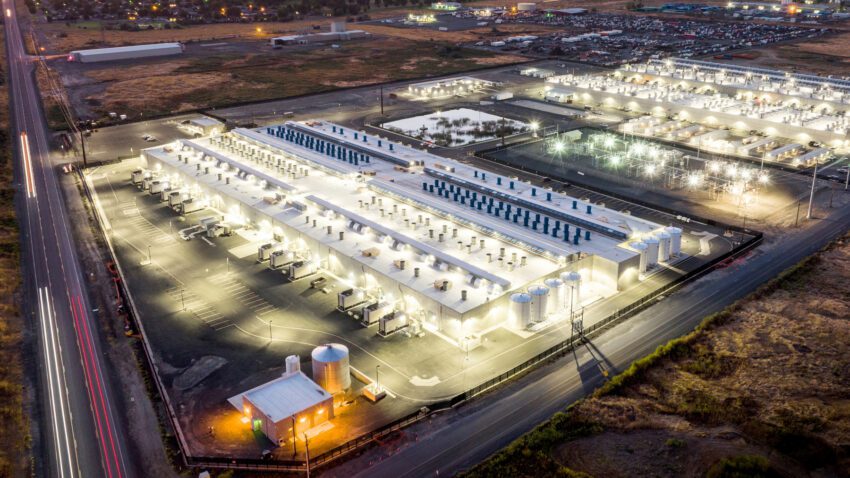
data centers in oregon might be helping Concerns are growing in Morrow County, Oregon, as experts link the presence of Amazon data centers to rising cancer and miscarriage rates in the area.
data centers in oregon might be helping
Overview of Morrow County
Morrow County, located in northeastern Oregon, is known for its agricultural landscape, featuring expansive mega farms and food processing plants. However, the county has also become a focal point for technology, particularly with the establishment of several Amazon data centers. These data centers are part of Amazon Web Services (AWS) and are designed to support the company’s vast cloud computing operations. While these facilities contribute to the local economy and provide jobs, recent investigations suggest they may also be contributing to a public health crisis.
Rising Nitrate Levels in Drinking Water
Recent reports, including an exposé by Rolling Stone, have highlighted alarming levels of nitrates in the drinking water of Morrow County. Experts believe that the combination of agricultural runoff, wastewater management practices, and the operations of Amazon’s data centers is leading to this concerning trend. Nitrate concentrations in some wells have been recorded as high as 73 parts per million (ppm), significantly exceeding both state and federal safety limits. The state of Oregon sets a maximum limit of 7 ppm for nitrates in drinking water, while the federal limit is 10 ppm.
Factors Contributing to Nitrate Contamination
The contamination of the Lower Umatilla Basin aquifer, which serves as the primary source of drinking water for local residents, is attributed to several interrelated factors:
- Poor Wastewater Management: The wastewater produced by the data centers is funneled into the Port’s wastewater system, which then distributes it onto nearby farms. This process has been criticized for not adequately treating the wastewater before it is released back into the environment.
- Sandy Soil Composition: The sandy soil in the region allows for rapid absorption of water, but it also means that contaminants can easily leach into the groundwater. This characteristic of the soil exacerbates the issue of nitrate contamination.
- Physical Processes: The cooling systems of the data centers require vast amounts of water, which is drawn from the aquifer. As this water circulates through the data centers, some of it evaporates, leaving behind concentrated nitrates. This process effectively increases the nitrate levels in the water that is eventually returned to the wastewater system.
Amazon’s Role in the Contamination
According to the Rolling Stone report, experts assert that Amazon’s operations have significantly accelerated the contamination process. The data centers consume tens of millions of gallons of water annually, which is then returned to the wastewater system. This cycle of water use and contamination raises serious questions about the company’s environmental practices and its impact on local communities.
Contaminated Water Cycle
The cycle of contaminated water begins when Amazon extracts water from the aquifer for cooling purposes. As this water passes through the data centers, it absorbs heat from the server systems. While some of the water evaporates, the nitrates remain, leading to an increase in concentration. The water that is returned to the wastewater system can average as high as 56 ppm of nitrates, which is eight times above Oregon’s safety limit. This process not only exacerbates the existing contamination but also poses a direct threat to public health.
Health Implications
The rise in nitrate levels in drinking water has been linked to serious health issues, including a surge in rare cancers and miscarriages. Nitrates are known to pose significant health risks, particularly for vulnerable populations such as pregnant women and young children. Studies have shown that high levels of nitrates in drinking water can lead to conditions such as methemoglobinemia, commonly known as “blue baby syndrome,” which affects the ability of blood to carry oxygen in infants.
Community Impact
The implications of this public health crisis are particularly concerning given the socioeconomic context of Morrow County. Approximately 40 percent of the county’s residents live below the poverty line, which limits their access to healthcare and resources. The slow response to mitigate further contamination and provide safe drinking water has drawn comparisons to the water crisis in Flint, Michigan. In both cases, marginalized communities have been disproportionately affected by environmental hazards.
Stakeholder Reactions
Amazon has publicly disputed the claims made in the Rolling Stone article. Spokesperson Lisa Levandowski characterized the report as “misleading and inaccurate,” asserting that the volume of water used and returned by Amazon facilities represents only a small fraction of the overall water system. She further claimed that the groundwater issues in the area “significantly predate” the presence of AWS in Morrow County.
However, this response raises important questions about Amazon’s corporate responsibility. If the company was aware of the existing challenges related to safe drinking water in the region, it prompts inquiries into why Amazon has not taken more proactive measures to mitigate its environmental impact. The community’s health and well-being should be a priority, and stakeholders are calling for greater accountability from the tech giant.
Advocacy and Community Action
Local advocacy groups, such as Oregon Rural Action (ORA), are working to raise awareness about the water crisis and push for action. Kristin Ostrom, the executive director of ORA, emphasized the vulnerability of the community, stating, “These are people who have no political or economic power, and very little knowledge of the risk.” The organization is advocating for better water management practices and increased transparency from companies like Amazon.
Future Considerations
The situation in Morrow County serves as a critical reminder of the intersection between technology and public health. As data centers continue to proliferate, it is essential for companies to prioritize sustainable practices that do not compromise the health and safety of local communities. The potential for technological advancements to contribute to environmental degradation must be carefully managed.
Policy Implications
Policymakers at both the state and federal levels need to take a closer look at the regulatory frameworks governing water use and contamination. Stricter regulations may be necessary to ensure that companies are held accountable for their environmental impact. Additionally, investment in infrastructure to improve wastewater management and protect drinking water sources is crucial.
Conclusion
The alarming rise in cancer and miscarriage rates in Morrow County, linked to the operations of Amazon data centers, highlights a pressing public health crisis. As the community grapples with the implications of nitrate contamination, it is imperative for stakeholders to engage in meaningful dialogue and action. The health of residents should not be sacrificed for technological advancement, and companies must take responsibility for their environmental footprint.
Source: Original report
Was this helpful?
Last Modified: December 1, 2025 at 4:36 am
6 views