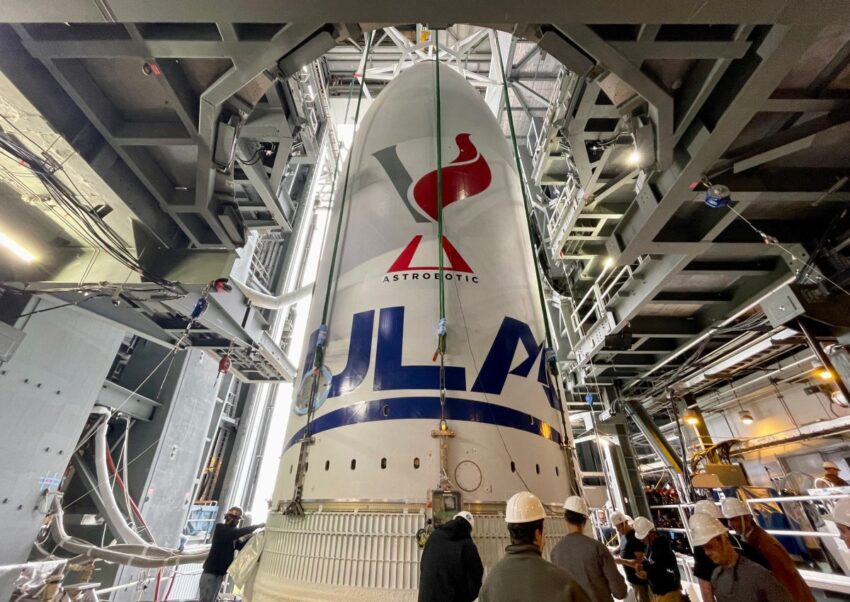
The recent resignation of Tory Bruno as CEO of United Launch Alliance (ULA) marks a significant shift in the competitive landscape of the aerospace industry.
Background on United Launch Alliance
Founded in 2006 as a joint venture between aerospace giants Boeing and Lockheed Martin, United Launch Alliance has played a pivotal role in the U.S. space industry. ULA was established to provide reliable and cost-effective launch services for government and commercial satellites. The company quickly became a dominant player in the market, leveraging the extensive experience and resources of its parent companies.
ULA’s flagship rocket, the Atlas V, has been instrumental in launching a variety of payloads, including national security satellites, scientific missions, and commercial satellites. The company has built a reputation for reliability, with a launch success rate that has been among the highest in the industry. However, as the space sector evolved, ULA faced increasing competition, particularly from SpaceX, founded by Elon Musk in 2002.
The Rise of SpaceX
SpaceX has transformed the aerospace landscape with its innovative approach to rocket design and launch services. The company’s Falcon 1, Falcon 9, and Falcon Heavy rockets have not only demonstrated remarkable reliability but have also significantly reduced launch costs through the use of reusable technology. This has allowed SpaceX to secure a substantial share of the commercial launch market, challenging ULA’s long-standing dominance.
In recent years, SpaceX has achieved numerous milestones, including the first privately-funded spacecraft to reach orbit and the first private company to send astronauts to the International Space Station. These accomplishments have positioned SpaceX as a leader in the space industry, prompting ULA to reassess its strategies and offerings.
Tory Bruno’s Leadership
Tory Bruno took the helm of ULA in 2013, succeeding Michael Gass. Under his leadership, the company sought to modernize its operations and adapt to the changing market dynamics. Bruno emphasized the importance of innovation and cost reduction, launching initiatives aimed at streamlining production processes and enhancing the company’s competitive edge.
Bruno’s tenure was marked by significant developments, including the introduction of the Vulcan Centaur rocket, ULA’s next-generation launch vehicle designed to compete directly with SpaceX’s offerings. The Vulcan Centaur aims to provide increased payload capacity, improved reliability, and reduced launch costs, addressing the challenges posed by SpaceX’s aggressive pricing strategies.
Challenges Faced by ULA
Despite these efforts, ULA has faced numerous challenges during Bruno’s leadership. The company has struggled to keep pace with the rapid advancements made by SpaceX, particularly in the areas of reusability and cost efficiency. While ULA’s rockets have maintained a strong track record of reliability, the company has been criticized for its slower pace of innovation compared to its competitors.
Additionally, ULA has encountered delays in the development of the Vulcan Centaur rocket, which has pushed back its anticipated launch schedule. These setbacks have raised concerns among stakeholders about the company’s ability to remain competitive in an increasingly crowded market. As SpaceX continued to secure contracts and expand its capabilities, ULA’s position became more precarious.
The Implications of Bruno’s Resignation
Bruno’s resignation comes at a critical juncture for ULA. His departure raises questions about the company’s future direction and leadership. As ULA navigates a rapidly evolving aerospace landscape, the need for strong and visionary leadership is more important than ever.
Industry experts speculate that ULA may need to adopt a more aggressive approach to innovation and cost reduction in order to compete effectively with SpaceX and other emerging players. The resignation of a long-serving CEO could signal a shift in strategy, potentially leading to a renewed focus on developing new technologies and enhancing operational efficiencies.
Stakeholder Reactions
The reaction to Bruno’s resignation has been mixed among stakeholders. Some industry analysts view the change as an opportunity for ULA to revitalize its leadership and explore new strategies for growth. Others express concern about the potential instability that could arise from a leadership transition during a critical period for the company.
Employees at ULA have also expressed uncertainty about the future. Many have admired Bruno’s leadership style and commitment to fostering a collaborative work environment. His departure may lead to shifts in company culture and morale, as employees adapt to new leadership and potential changes in strategic direction.
The Future of ULA
As ULA moves forward without Bruno, the company faces several key challenges and opportunities. The aerospace industry is undergoing rapid transformation, driven by advancements in technology, changing customer demands, and increased competition. ULA must navigate these changes while maintaining its commitment to reliability and safety.
Strategic Considerations
One of the primary strategic considerations for ULA will be the successful launch of the Vulcan Centaur rocket. This next-generation vehicle is critical for the company’s future competitiveness, and its successful debut will be closely watched by industry observers. ULA must ensure that the Vulcan Centaur meets its performance and reliability targets to regain market confidence.
Additionally, ULA may need to explore partnerships and collaborations to enhance its capabilities. Collaborating with emerging space startups or leveraging advancements in technology could provide ULA with the agility needed to compete effectively in the evolving landscape.
Potential Leadership Candidates
In the wake of Bruno’s resignation, speculation has arisen regarding potential candidates to succeed him. ULA may consider internal candidates who possess a deep understanding of the company’s operations and culture, as well as external candidates with a proven track record in the aerospace industry.
Industry insiders suggest that ULA may benefit from a leader who can bring fresh perspectives and innovative ideas to the organization. The new CEO will need to address the challenges facing ULA while also fostering a culture of innovation and collaboration within the company.
Conclusion
Tory Bruno’s resignation as CEO of United Launch Alliance marks a significant turning point for the company as it grapples with the challenges posed by an increasingly competitive aerospace market. As ULA seeks to redefine its strategy and leadership, the coming months will be critical in determining the company’s future trajectory. The aerospace industry is at a crossroads, and ULA must adapt to the changing landscape to remain a key player in the space sector.
Source: Original report
Was this helpful?
Explore more: More General Technology Tech News Blog
Last Modified: December 23, 2025 at 3:50 am
14 views