california defeats tesla s attempt to throw A California court has ruled against Tesla’s attempt to dismiss a racial discrimination lawsuit, allowing the case to proceed to trial.
california defeats tesla s attempt to throw
Background of the Lawsuit
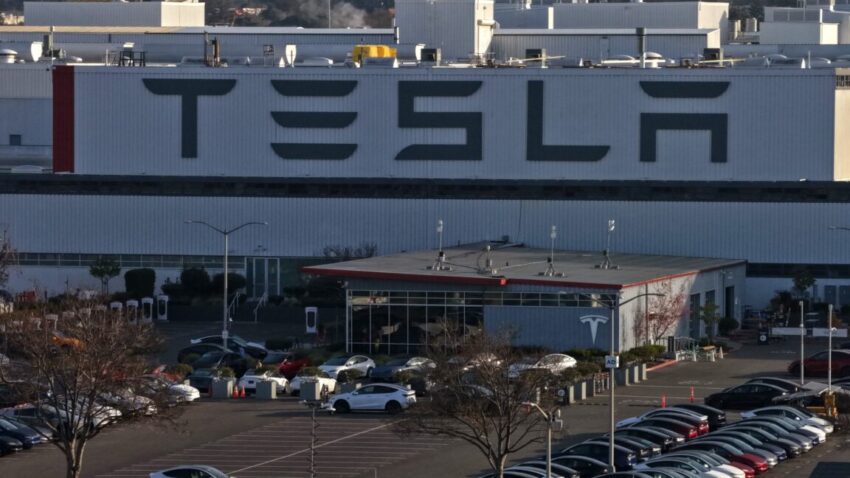
The lawsuit against Tesla, initiated by the California Civil Rights Department (CRD), has been in the works for over four years. It centers around allegations of systemic racial discrimination within the company, particularly at its Fremont factory. The CRD claims that Tesla’s employment practices are entrenched in discriminatory behaviors that echo some of the most troubling aspects of the past.
According to the CRD, the allegations include a range of discriminatory practices that have adversely affected Black workers. These practices reportedly include lower pay for similar work compared to their white counterparts, exposure to racist slurs, and intimidation tactics aimed at discouraging employees from speaking out against such treatment. The CRD’s Director, Kevin Kish, emphasized the importance of holding Tesla accountable, stating, “We look forward to having our day in court to hold Tesla accountable and to protect the rights of workers in our state.”
Details of the Court Ruling
On May 10, 2026, the Alameda County Superior Court issued a ruling that dismissed Tesla’s motion to throw out the lawsuit. This ruling clears the way for the case to go to trial, which is currently scheduled for July 20, 2026. The court’s decision is significant as it allows the CRD to present its case in full, potentially exposing Tesla to further scrutiny regarding its workplace practices.
The judge did grant Tesla a partial victory by blocking claims under the statute of limitations for incidents that occurred before June 18, 2018. However, this does not eliminate the core allegations of ongoing discrimination that the CRD has put forth. The CRD is seeking both financial damages and injunctive relief, which could lead to changes in Tesla’s employment practices if the court finds in their favor.
Implications for Tesla
The implications of this ruling are far-reaching for Tesla, a company that has positioned itself as a leader in innovation and sustainability. The allegations of racial discrimination could tarnish its reputation and impact its relationship with employees, customers, and investors. As the trial date approaches, Tesla may face increased scrutiny from the media and public, which could affect its brand image.
Moreover, the outcome of this case could set a precedent for other companies in the tech and automotive industries. If the court finds in favor of the CRD, it may encourage other employees to come forward with similar claims, potentially leading to a wave of lawsuits against companies that have not adequately addressed workplace discrimination.
Stakeholder Reactions
The response from various stakeholders has been mixed. Employee advocacy groups have expressed support for the CRD’s efforts, emphasizing the need for accountability in workplaces where discrimination is alleged. They argue that the ruling is a step toward ensuring that all workers are treated fairly, regardless of their race.
On the other hand, Tesla has maintained its stance that it does not tolerate discrimination in any form. The company has previously stated that it is committed to fostering a diverse and inclusive workplace. However, critics argue that the company has not done enough to address the issues raised in the lawsuit. The contrast between Tesla’s public image and the allegations in the lawsuit raises questions about the effectiveness of its internal policies and practices.
Historical Context of Racial Discrimination in the Workplace
The allegations against Tesla are not isolated incidents but part of a broader historical context of racial discrimination in the workplace. Discrimination based on race has been a persistent issue in various industries, including technology and manufacturing. Despite advancements in civil rights over the past several decades, many workers still face challenges related to unequal treatment, harassment, and retaliation for speaking out.
In recent years, there has been a growing movement to address workplace discrimination through legal avenues. Government agencies, such as the CRD, have taken a more active role in investigating and prosecuting claims of discrimination. This trend reflects a societal shift toward greater accountability for companies and a recognition of the need for systemic change.
Potential Outcomes of the Trial
The upcoming trial will be pivotal in determining the future of Tesla’s employment practices. If the CRD prevails, the court may impose significant changes to Tesla’s policies, including mandatory training programs on diversity and inclusion, changes to hiring practices, and mechanisms for reporting discrimination without fear of retaliation.
Conversely, if Tesla successfully defends itself against the allegations, it may reinforce the company’s current practices and policies. This outcome could embolden other companies to resist similar lawsuits, potentially stalling progress toward workplace equality.
Conclusion
The ruling by the Alameda County Superior Court marks a significant development in the ongoing legal battle between the California Civil Rights Department and Tesla. As the trial date approaches, the implications of this case extend beyond Tesla, potentially influencing workplace policies across various industries. The outcome will not only affect Tesla’s reputation and operational practices but also serve as a litmus test for how companies address allegations of racial discrimination in the modern workplace.
As the CRD prepares to present its case, the broader implications for workers’ rights and corporate accountability remain at the forefront of this legal battle. The upcoming trial will be closely watched by stakeholders across the board, from employees and advocacy groups to investors and industry analysts.
Source: Original report
Was this helpful?
Explore more: More Big Tech & Platforms Tech News Blog
Last Modified: May 28, 2026 at 12:36 pm
13 views