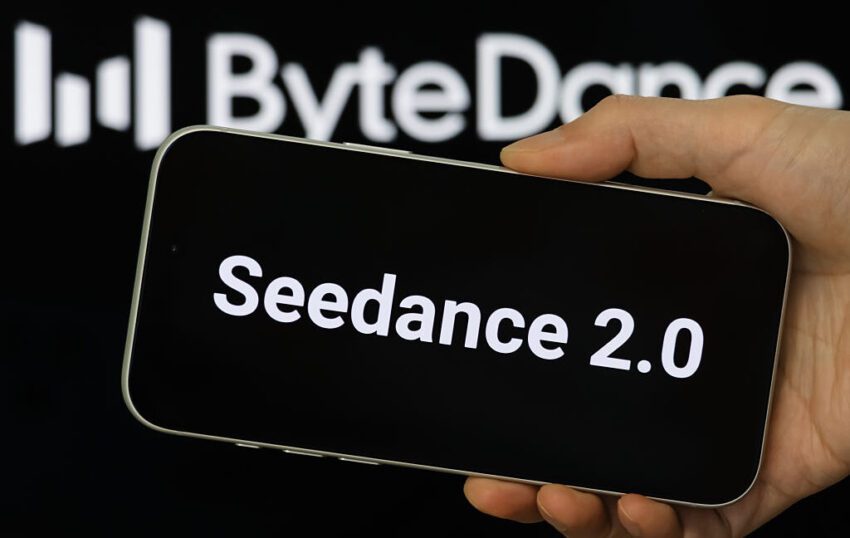
bytedance backpedals after seedance 2 0 turned ByteDance is swiftly implementing measures to prevent its AI video tool, Seedance 2.0, from generating unauthorized representations of iconic characters and deepfaking celebrities, following significant backlash from Hollywood.
bytedance backpedals after seedance 2 0 turned
Background on Seedance 2.0
Seedance 2.0 is the latest iteration of ByteDance’s AI video generation tool, designed to allow users to create videos using artificial intelligence. This tool leverages advanced machine learning algorithms to generate content that can mimic the styles and characteristics of various media figures and characters. However, the launch of Seedance 2.0 has sparked controversy due to its ability to create videos featuring copyrighted characters and celebrities without permission.
Hollywood’s Immediate Reaction
The backlash from Hollywood was swift and severe. Major studios, including Disney and Paramount Skydance, responded to the launch of Seedance 2.0 by sending cease-and-desist letters to ByteDance. These letters urged the company to immediately halt what the studios described as widespread and blatant infringement of their intellectual property.
Disney’s letter highlighted the severity of the situation, accusing Seedance of “hijacking” its beloved characters. The studio expressed outrage that ByteDance appeared to treat its characters as if they were “free public domain clip art.” This characterization underscores the deep concern within the entertainment industry regarding the unauthorized use of their intellectual property.
Nature of the Infringement
The infringement claims made by the studios are not limited to a few isolated incidents. Reports indicate that users of Seedance 2.0 have been actively sharing AI-generated videos across social media platforms that prominently feature copyrighted characters such as Spider-Man, Darth Vader, and SpongeBob SquarePants. These instances raise significant legal and ethical questions about the use of AI in content creation.
As the technology behind AI-generated content continues to evolve, the boundaries of copyright law are being tested. The ability of Seedance 2.0 to create lifelike representations of these characters without authorization has alarmed many in the industry, prompting calls for stricter regulations and safeguards.
Legal Implications
The legal implications of such infringements are profound. Copyright law is designed to protect the rights of creators and owners of intellectual property. When AI tools like Seedance 2.0 generate content that closely resembles protected characters, it raises questions about the ownership of the generated content and the liability of the platforms that host it.
Legal experts suggest that the situation could lead to significant litigation if studios decide to pursue legal action against ByteDance. The outcome of such cases could set important precedents regarding the use of AI in creative fields and the extent to which AI-generated content can be considered transformative or derivative.
ByteDance’s Response
In light of the backlash, ByteDance has announced that it is rushing to implement safeguards to prevent Seedance 2.0 from generating unauthorized content. The company has acknowledged the concerns raised by Hollywood and is taking steps to address them. However, the specifics of these safeguards have not been fully disclosed.
ByteDance’s decision to act quickly reflects the company’s recognition of the potential damage to its reputation and business interests if the situation escalates. The backlash from Hollywood not only threatens legal repercussions but also jeopardizes partnerships and collaborations within the entertainment industry.
Stakeholder Reactions
The reactions from various stakeholders have been mixed. On one hand, there is a sense of relief among industry professionals that ByteDance is taking the issue seriously. Many in Hollywood recognize the potential of AI technology but are concerned about its misuse. They argue that while AI can enhance creativity, it must be used responsibly and ethically.
On the other hand, some critics argue that ByteDance’s response may be too little, too late. The rapid proliferation of AI-generated content raises concerns about the long-term implications for the creative industry. As AI tools become more accessible, there is a fear that they could undermine the value of original content and the livelihoods of creators.
The Future of AI in Content Creation
The controversy surrounding Seedance 2.0 highlights a broader conversation about the future of AI in content creation. As technology continues to advance, the lines between original and generated content are becoming increasingly blurred. This evolution poses challenges for copyright law, creative industries, and the ethical considerations surrounding the use of AI.
Industry experts are calling for a collaborative approach to address these challenges. They advocate for the establishment of clear guidelines and regulations that govern the use of AI in creative fields. Such measures could help protect the rights of creators while allowing for innovation and exploration of new technologies.
Potential Solutions
Several potential solutions have been proposed to mitigate the risks associated with AI-generated content:
- Clear Licensing Agreements: Establishing licensing agreements that outline the terms of use for AI-generated content could help protect intellectual property rights.
- AI Content Filters: Implementing content filters that prevent the generation of copyrighted characters or likenesses could serve as a safeguard for platforms like Seedance 2.0.
- Industry Collaboration: Encouraging collaboration between tech companies and content creators can lead to innovative solutions that benefit both parties.
- Public Awareness Campaigns: Educating users about the ethical implications of using AI-generated content can foster a more responsible approach to content creation.
Conclusion
The situation surrounding Seedance 2.0 serves as a critical case study in the intersection of technology, creativity, and legal frameworks. As ByteDance works to implement safeguards in response to Hollywood’s concerns, the broader implications for the creative industry remain to be seen. The ongoing dialogue about the role of AI in content creation will undoubtedly shape the future of both technology and entertainment.
As the industry navigates these challenges, it is essential for stakeholders to engage in constructive discussions that prioritize the rights of creators while embracing the potential of AI to enhance creativity. The outcome of this situation could set important precedents for the future of AI and its role in shaping the landscape of content creation.
Source: Original report
Was this helpful?
Explore more: AI Automation Services More AI & Automation Tech News
Last Modified: February 17, 2026 at 2:35 am
20 views