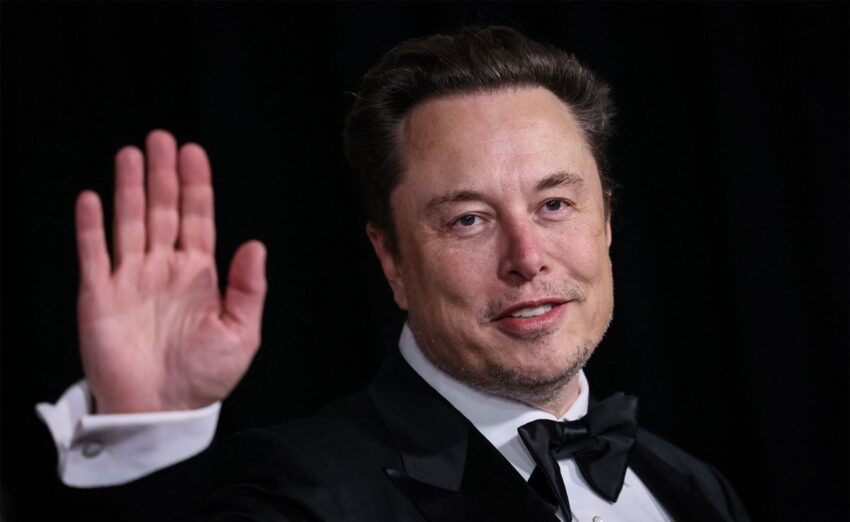
bye-bye corporate conglomerates hello personal conglomerates Elon Musk’s recent move to merge SpaceX, xAI, and Tesla signals a transformative shift in the landscape of corporate structures, reminiscent of both the historical conglomerates and the monopolistic tendencies of the Gilded Age.
bye-bye corporate conglomerates hello personal conglomerates
The Rise of Personal Conglomerates
In an era where corporate giants have dominated the business landscape, the concept of a personal conglomerate is emerging as a radical alternative. Elon Musk, known for his ambitious ventures and innovative spirit, is at the forefront of this shift. By integrating SpaceX, xAI, and Tesla, Musk aims to create a unified entity that leverages synergies across different sectors, from aerospace to artificial intelligence and electric vehicles.
A Historical Perspective
The merger of Musk’s companies draws parallels to the conglomerate boom of the late 20th century, particularly the rise of General Electric (GE). Founded in 1892, GE became a symbol of industrial innovation, diversifying into various sectors such as energy, healthcare, and aviation. This diversification strategy allowed GE to mitigate risks and capitalize on emerging markets. However, as the landscape evolved, the conglomerate model faced criticism for its complexity and inefficiency.
Similarly, the Gilded Age, characterized by rapid industrialization and economic expansion, saw the rise of powerful monopolies. Figures like John D. Rockefeller and Andrew Carnegie dominated their respective industries, often at the expense of competition and fair market practices. Musk’s approach, while innovative, raises questions about the implications of consolidating power in a few personal entities.
The Implications of Merging Technologies
Merging SpaceX, xAI, and Tesla could have significant implications for various industries. Each of these companies operates in a distinct yet increasingly interconnected domain. SpaceX is revolutionizing space travel and satellite deployment, xAI is pushing the boundaries of artificial intelligence, and Tesla is leading the charge in electric vehicles and renewable energy solutions.
Synergies Across Industries
By combining these companies, Musk aims to create synergies that could accelerate technological advancements. For instance, the integration of AI from xAI could enhance the autonomous capabilities of Tesla vehicles, while SpaceX’s advancements in satellite technology could improve connectivity for Tesla’s vehicles and energy products. This interconnectedness could lead to innovative solutions that address global challenges such as climate change and resource scarcity.
Potential Risks and Challenges
However, the consolidation of power raises concerns about monopolistic practices and the potential stifling of competition. Critics argue that such mergers can lead to reduced innovation, as smaller companies may struggle to compete against a behemoth that dominates multiple sectors. Additionally, the concentration of power in the hands of a single individual could lead to ethical dilemmas, particularly in areas like AI, where decision-making processes must be transparent and accountable.
Stakeholder Reactions
The announcement of this merger has elicited a range of reactions from stakeholders across various sectors. Investors, analysts, and industry experts are closely monitoring the situation, weighing the potential benefits against the risks involved.
Investor Sentiment
Investors have historically shown strong support for Musk’s ventures, often driven by his track record of innovation and market disruption. The prospect of a personal conglomerate has sparked excitement among some investors, who see the potential for exponential growth and market dominance. However, others express caution, citing the complexities and risks associated with managing such a diverse portfolio of companies.
Industry Experts Weigh In
Industry experts are divided on the implications of Musk’s merger. Some view it as a necessary evolution in the corporate landscape, arguing that personal conglomerates can foster innovation and agility in a rapidly changing world. Others caution that the concentration of power could lead to ethical concerns, particularly in the realm of AI, where the implications of decision-making processes are profound.
The Future of Corporate Structures
The emergence of personal conglomerates could signal a fundamental shift in how businesses operate. As technology continues to evolve, the lines between industries are becoming increasingly blurred. Companies that can adapt and integrate diverse technologies may have a competitive edge in the marketplace.
Innovation vs. Regulation
As Musk’s personal conglomerate takes shape, regulatory bodies will likely scrutinize the merger closely. The potential for monopolistic behavior could prompt antitrust investigations, particularly if the merger is perceived to stifle competition. Balancing innovation with regulation will be crucial in ensuring that the benefits of such mergers are realized without compromising market integrity.
Global Implications
The implications of Musk’s merger extend beyond the United States. As personal conglomerates gain traction, other entrepreneurs and innovators may follow suit, leading to a global trend of consolidation. This could reshape industries worldwide, influencing everything from technology development to environmental sustainability efforts.
Conclusion
Elon Musk’s merging of SpaceX, xAI, and Tesla represents a bold step towards the formation of personal conglomerates, challenging traditional corporate structures. While the potential for innovation and growth is significant, the risks associated with concentration of power and ethical considerations cannot be overlooked. As this new model unfolds, stakeholders will need to navigate the complexities of a rapidly changing landscape, balancing the drive for innovation with the need for accountability and competition.
Source: Original report
Was this helpful?
Last Modified: February 1, 2026 at 10:39 pm
0 views