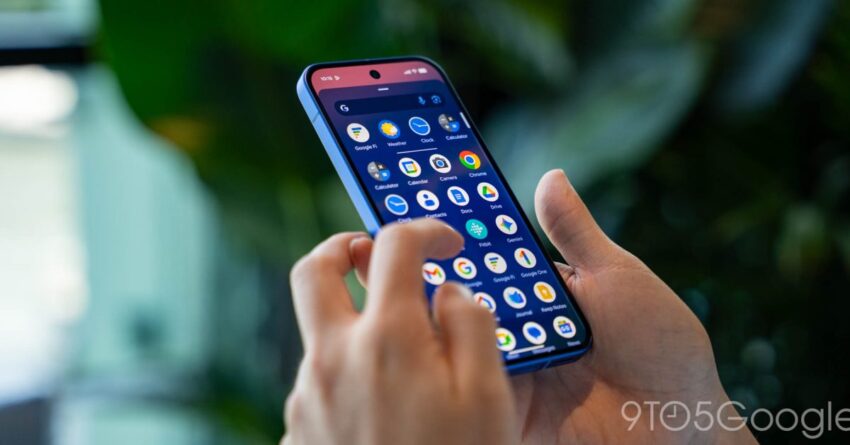
bug pixel launcher device search replaced by A recent bug has led to the Google app’s device search functionality replacing the traditional Pixel Launcher experience on some devices.
bug pixel launcher device search replaced by
Understanding the Pixel Launcher
The Pixel Launcher is a key component of Google’s Pixel smartphones, designed to provide a streamlined and user-friendly interface. It offers features that enhance the overall user experience, including customizable home screens, an integrated Google search bar, and easy access to apps and widgets. The Pixel Launcher is tailored to showcase the capabilities of the Android operating system while maintaining a clean aesthetic that aligns with Google’s design philosophy.
One of the standout features of the Pixel Launcher is its device search capability, which allows users to quickly find apps, settings, and other content on their devices. This functionality is particularly important for users who rely on their smartphones for a wide range of tasks, from communication to productivity. The seamless integration of search features into the launcher has been a hallmark of the Pixel experience, setting it apart from other Android devices that may not offer the same level of optimization.
The Bug and Its Implications
On December 5, 2025, users began reporting an unusual bug where the Google app’s device search functionality replaced the native Pixel Launcher search experience. This unexpected change has raised concerns among users who rely on the Pixel Launcher for its efficiency and ease of use. The bug appears to affect a subset of Pixel devices, leading to confusion and frustration among those who have come to depend on the launcher’s features.
As the bug manifests, users may find that when they attempt to use the search function within the Pixel Launcher, they are redirected to the Google app instead. This transition disrupts the familiar workflow that many users have established, as the Google app’s search interface differs from that of the Pixel Launcher. The Google app is designed primarily for web searches and content discovery, which may not align with the specific needs of users looking for local apps or settings.
User Reactions
The response from the Pixel user community has been mixed, with many expressing their dissatisfaction on social media platforms and forums. Users have reported that the change feels jarring, as it alters a fundamental aspect of the Pixel experience. Some have taken to Reddit and Twitter to share their frustrations, with comments highlighting the importance of the Pixel Launcher’s search functionality in their daily routines.
One user noted, “I rely on the Pixel Launcher to quickly access my apps. The Google app just doesn’t work the same way for me.” This sentiment has been echoed by others who feel that the bug undermines the user-friendly design that Google has worked hard to establish with its Pixel devices.
Potential Causes of the Bug
While the exact cause of the bug remains unclear, it is likely related to a recent update or change in the Google app or the Pixel Launcher itself. Software updates can sometimes introduce unintended issues, especially when multiple applications are interlinked, as is the case with the Pixel Launcher and the Google app. As both applications are developed by Google, they are expected to work seamlessly together; however, this incident highlights the complexities involved in software development and the challenges of maintaining compatibility across different versions.
Google’s Response
As of now, Google has not officially acknowledged the bug or provided a timeline for a fix. However, the company typically monitors user feedback and addresses issues in subsequent updates. Historically, Google has been responsive to user concerns, often releasing patches to resolve bugs and enhance user experience. It is anticipated that the company will prioritize this issue, given the significant impact it has on the usability of the Pixel Launcher.
Impact on User Experience
The implications of this bug extend beyond mere inconvenience. For many users, the Pixel Launcher is not just a tool for accessing apps; it is an integral part of their daily digital interactions. The disruption caused by the bug may lead to decreased productivity, as users may find themselves spending more time navigating through the Google app instead of quickly accessing their desired content.
Moreover, the reliance on the Google app for device search may lead to a less personalized experience. The Pixel Launcher is designed to cater to individual user preferences, allowing for a more tailored interaction with the device. In contrast, the Google app is more generalized, focusing on broader search capabilities rather than the specific needs of Pixel users.
Broader Context: Software Updates and User Expectations
This incident serves as a reminder of the delicate balance between software updates and user expectations. As technology evolves, users often anticipate improvements and new features that enhance their experience. However, updates can also introduce unforeseen issues that disrupt established workflows. This is particularly relevant in the context of smartphone operating systems, where users have come to expect a high level of reliability and performance.
In recent years, there has been a growing trend among smartphone manufacturers to prioritize software updates. This push for regular updates is often driven by the need to address security vulnerabilities, improve performance, and introduce new features. However, as seen in this case, the introduction of new updates can sometimes lead to unintended consequences, such as bugs that affect core functionalities.
Stakeholder Reactions
Stakeholders in the tech industry, including developers and user experience designers, are likely to take note of this incident. The feedback from users regarding the Pixel Launcher bug underscores the importance of thorough testing and quality assurance in software development. As companies strive to innovate and enhance their products, they must also remain vigilant in ensuring that updates do not compromise the user experience.
Additionally, this situation may prompt discussions about the need for more robust testing protocols before releasing updates to the public. While beta testing can help identify potential issues, it is not always foolproof. Companies may need to consider more extensive testing phases or alternative approaches to ensure that updates do not disrupt existing functionalities.
Looking Ahead: What Users Can Expect
As users await a resolution to the Pixel Launcher bug, there are a few steps they can take to mitigate the impact on their experience. First, users can explore alternative launchers available on the Google Play Store, which may offer similar functionalities to the Pixel Launcher. While this may not be a perfect solution, it can provide a temporary workaround until Google addresses the issue.
Additionally, users should keep an eye on official communication from Google regarding the status of the bug. Following Google’s official channels on social media or checking the Google Support website can provide updates and potential timelines for a fix. Engaging with the community on forums can also be beneficial, as users may share tips and tricks to navigate the issue more effectively.
Conclusion
The recent bug affecting the Pixel Launcher highlights the complexities of software development and the importance of maintaining a seamless user experience. As users navigate the challenges posed by this issue, it serves as a reminder of the delicate balance between innovation and reliability in the tech industry. While the situation is frustrating for many, it is hoped that Google will respond promptly to restore the functionality that users have come to expect from their Pixel devices.
Source: Original report
Was this helpful?
Last Modified: December 5, 2025 at 1:36 pm
2 views