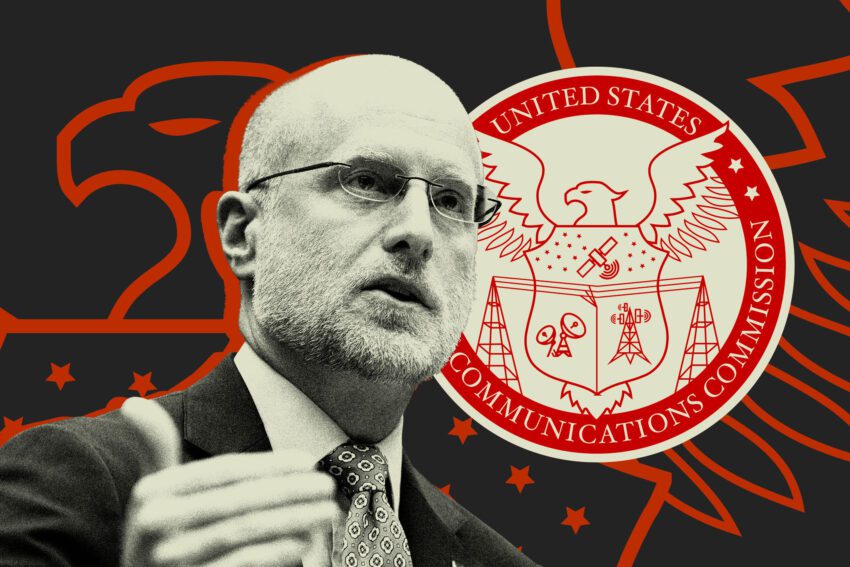
brendan carr says his broadcast license threat Federal Communications Commission Chair Brendan Carr clarified that his recent comments regarding broadcast licenses were not intended as a threat related to media coverage of the war in Iran.
brendan carr says his broadcast license threat
Context of the Controversy
The controversy began when Carr made remarks that were interpreted by some as a warning to broadcasters about their coverage of the ongoing conflict in Iran. This interpretation sparked significant media attention and debate about the role of regulatory bodies in influencing news coverage. Carr’s comments were made during an event hosted by FGS and Semafor, where he addressed various issues related to media regulation and public discourse.
Initial Comments and Reactions
On March 14th, Carr quote-tweeted a post from former President Donald Trump, which criticized a headline that Trump deemed “intentionally misleading” concerning U.S. military actions in the Middle East. In his tweet, Carr seemed to echo Trump’s sentiments, leading many to believe he was suggesting that broadcasters could face repercussions for their coverage of the war. This interpretation raised alarms among journalists and media organizations, who viewed it as an infringement on press freedom.
In response to a question from The Verge about the implications of his statement, Carr clarified, “My comments weren’t actually on the Iran war. I understand why people say that. I made a statement quoting a tweet.” This clarification aimed to distance himself from the notion that he was threatening broadcasters over their reporting on the conflict.
Understanding the Role of the FCC
The Federal Communications Commission (FCC) is an independent agency of the U.S. government, responsible for regulating interstate and international communications by radio, television, wire, satellite, and cable. Its primary mission is to ensure that the American public has access to reliable and diverse sources of information. However, the agency’s authority also raises questions about the limits of government influence over media coverage.
Implications for Press Freedom
The potential for government officials to influence media coverage is a sensitive issue, particularly in a democratic society where freedom of the press is a cornerstone of public discourse. Carr’s initial comments, even if misinterpreted, highlighted the precarious balance between regulatory oversight and the independence of media organizations. Journalists and media advocates expressed concern that any perceived threats from government officials could lead to self-censorship among broadcasters, ultimately undermining the diversity of viewpoints presented to the public.
Stakeholder Reactions
The reactions to Carr’s comments were swift and varied. Media organizations, journalists, and advocacy groups quickly condemned the implications of his statement. Many emphasized the importance of maintaining a free and independent press, particularly in times of conflict when accurate reporting is crucial for public understanding.
Some stakeholders argued that Carr’s remarks could have a chilling effect on journalism, particularly for broadcasters who may feel pressured to align their coverage with government narratives. Others pointed out that the FCC’s role should be to promote a diverse media landscape, rather than to dictate the terms of coverage on sensitive issues like war.
Historical Context of Government Influence on Media
This incident is not the first time government officials have been accused of attempting to influence media coverage. Throughout history, various administrations have grappled with the relationship between government and the press, particularly during times of war or national crisis. The tension between the need for national security and the public’s right to know has often led to contentious debates about media regulation.
Past Incidents of Media Regulation
For instance, during the Vietnam War, the U.S. government faced criticism for its attempts to control the narrative surrounding the conflict. Journalists were often at odds with military officials, who sought to manage the flow of information. This historical backdrop underscores the importance of a free press in holding those in power accountable, especially during times of conflict.
The Current Media Landscape
In today’s digital age, the media landscape is more complex than ever. The rise of social media and alternative news platforms has transformed how information is disseminated and consumed. This shift has led to both opportunities and challenges for traditional broadcasters, who must navigate a rapidly changing environment while maintaining journalistic integrity.
The Role of Social Media
Social media platforms have become critical channels for news distribution, allowing for real-time reporting and engagement with audiences. However, this immediacy can also lead to the spread of misinformation and sensationalism. Carr’s reference to a tweet from Trump highlights the influence of social media on public discourse and the potential for misinterpretation.
As traditional media outlets grapple with these challenges, the role of regulatory bodies like the FCC becomes increasingly important. Ensuring that broadcasters adhere to ethical standards while also protecting their independence is a delicate balancing act.
Looking Ahead: The Future of Media Regulation
As the media landscape continues to evolve, the FCC will likely face ongoing scrutiny regarding its role in regulating content and ensuring a diverse range of voices in the public sphere. Carr’s recent comments serve as a reminder of the complexities involved in media regulation, particularly in the context of sensitive issues like war coverage.
Potential Policy Changes
In light of the controversy, it is possible that the FCC may consider revisiting its policies regarding media regulation and oversight. Stakeholders may advocate for clearer guidelines that protect press freedom while also addressing concerns about misinformation and biased reporting. The challenge will be to create a framework that supports journalistic integrity without infringing on the independence of media organizations.
Engaging with the Public
Moving forward, it will be crucial for the FCC to engage with the public and media organizations to foster a collaborative approach to media regulation. Open dialogue can help build trust and ensure that the agency’s actions align with the principles of a free and independent press.
Conclusion
Brendan Carr’s clarification regarding his comments on broadcast licenses reflects the ongoing complexities surrounding media regulation in the United States. As the nation navigates the challenges of a rapidly changing media landscape, the importance of maintaining a free and independent press remains paramount. The balance between regulatory oversight and journalistic freedom will continue to be a critical issue for policymakers, media organizations, and the public alike.
Source: Original report
Was this helpful?
Explore more: More Big Tech & Platforms Tech News Blog
Last Modified: March 27, 2026 at 6:38 am
16 views