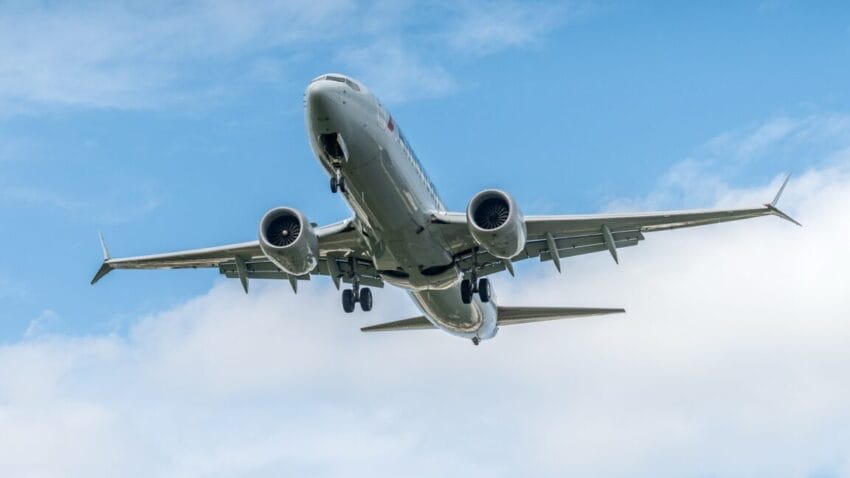
boeing faces 3 1m fine for door The Federal Aviation Administration (FAA) has proposed a significant fine against Boeing, amounting to $3.1 million, due to a series of safety violations linked to a door plug blowout incident that occurred in January 2024.
boeing faces 3 1m fine for door
Background on the Incident
The door plug blowout incident in January 2024 raised serious concerns regarding Boeing’s adherence to safety protocols. This event not only highlighted potential lapses in Boeing’s manufacturing processes but also drew attention to the broader implications for aviation safety. The FAA’s investigation revealed that the door plug blowout was not an isolated incident but rather part of a pattern of safety violations that have been accumulating over several months.
Details of the FAA’s Findings
According to the FAA, the proposed fine encompasses a range of safety violations that occurred between September 2023 and February 2024. The agency emphasized that the fine represents the “maximum statutory civil penalty authority consistent with law.” This indicates the seriousness with which the FAA views Boeing’s infractions.
The FAA’s investigation uncovered “hundreds of quality system violations” at Boeing’s 737 factory located in Renton, Washington. Additionally, issues were identified at Spirit AeroSystems’ 737 factory in Wichita, Kansas, which is a key subcontractor for Boeing. The findings suggest systemic problems within Boeing’s quality control processes that could potentially jeopardize the safety of its aircraft.
Specific Violations Identified
The FAA’s report detailed several specific violations that contributed to the proposed fine:
- Boeing presented two unairworthy aircraft to the FAA for airworthiness certificates, which is a clear violation of safety protocols.
- The company failed to adhere to its established quality system, which is designed to ensure that all aircraft meet stringent safety standards before they are deemed airworthy.
- There were indications of “interference with safety officials’ independence,” suggesting that Boeing may have attempted to influence or obstruct the FAA’s oversight role.
Boeing’s Financial Context
The proposed fine comes at a challenging time for Boeing, which reported a revenue of $22.7 billion in its most recent financial quarter. However, the company also faced a net loss of $612 million, reflecting ongoing struggles in the aviation market. This financial backdrop adds another layer of complexity to the situation, as the company must navigate both regulatory scrutiny and financial pressures.
Stakeholder Reactions
The FAA’s announcement has elicited a range of reactions from various stakeholders, including industry experts, aviation safety advocates, and Boeing itself. Many experts have expressed concern over the implications of these violations for public safety and the overall reputation of Boeing as a leading aircraft manufacturer.
Boeing has 30 days to respond to the FAA’s proposed fine. The company’s response will be closely watched by industry analysts and regulators alike, as it may provide insight into Boeing’s commitment to addressing the identified safety issues. In previous instances, Boeing has faced criticism for its handling of safety concerns, particularly in the wake of the 737 MAX crisis, which resulted in a global grounding of the aircraft model.
Implications for Aviation Safety
The FAA’s proposed fine against Boeing raises important questions about the state of aviation safety in the United States. As one of the largest aerospace manufacturers in the world, Boeing’s practices set a precedent for the industry. If the company is unable to rectify its quality control issues, it could have far-reaching consequences for the safety of commercial aviation.
Regulatory Oversight and Accountability
The FAA’s actions underscore the importance of regulatory oversight in the aviation industry. The agency’s role is to ensure that manufacturers adhere to safety standards that protect passengers and crew members. The identification of “interference with safety officials’ independence” is particularly concerning, as it suggests a potential erosion of trust between Boeing and regulatory authorities.
In light of these developments, the FAA may face pressure to enhance its oversight mechanisms and ensure that manufacturers are held accountable for safety violations. This could lead to more stringent regulations and increased scrutiny of Boeing and other manufacturers in the future.
Future Considerations for Boeing
As Boeing prepares its response to the FAA’s proposed fine, the company faces several critical considerations. First and foremost, it must demonstrate a commitment to rectifying the identified safety violations and restoring confidence in its manufacturing processes. This may involve implementing new quality control measures, enhancing employee training programs, and fostering a culture of safety within the organization.
Long-Term Impact on Reputation
The long-term impact of these violations on Boeing’s reputation cannot be understated. The company has already faced significant challenges in rebuilding trust with regulators, customers, and the flying public following the 737 MAX crisis. Continued safety violations could further damage Boeing’s standing in the industry and erode customer confidence in its aircraft.
In addition to addressing immediate safety concerns, Boeing may need to engage in proactive communication with stakeholders to reassure them of its commitment to safety and quality. This could involve transparency in reporting safety metrics, sharing updates on corrective actions, and fostering open dialogue with regulatory authorities.
Conclusion
The FAA’s proposed $3.1 million fine against Boeing serves as a stark reminder of the critical importance of safety in the aviation industry. As the company navigates this regulatory challenge, it must prioritize the rectification of identified safety violations and work to restore trust among stakeholders. The implications of these findings extend beyond Boeing, highlighting the need for robust regulatory oversight and accountability in ensuring the safety of commercial aviation.
Source: Original report
Was this helpful?
Explore more: More Hardware & Devices Tech News Blog
Last Modified: September 16, 2025 at 5:41 am
7 views