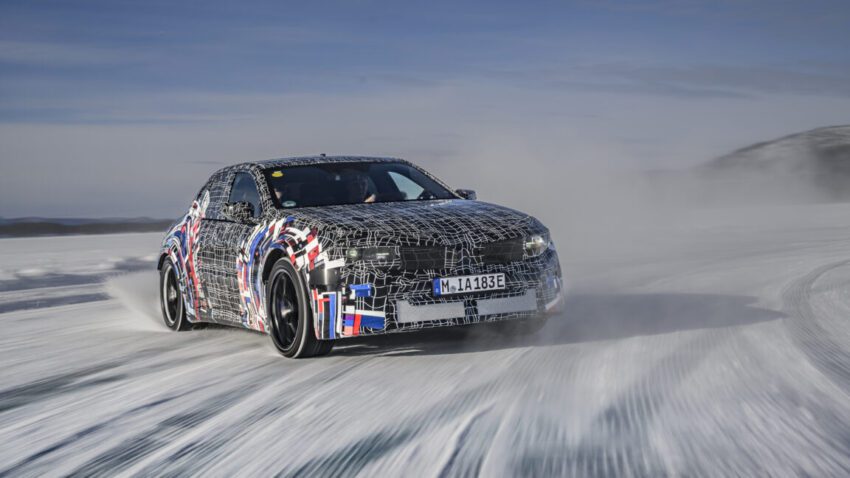
bmw s first electric m car is BMW is set to revolutionize its performance lineup with the introduction of its first fully electric M car, slated for release in 2027, featuring a cutting-edge design that includes one motor per wheel.
bmw s first electric m car is
Introduction to the Neue Klasse
Late last year, BMW unveiled the iX3, marking the beginning of a new era for the company with its innovative platform known as the “Neue Klasse.” This platform is designed to support a range of electric vehicles (EVs) that promise to redefine the driving experience. The iX3 is just the first in a series of electric models that will utilize this advanced architecture. The anticipation is building as BMW prepares to launch the fully electric version of its iconic 3 Series, the i3 sedan, later this year.
The Neue Klasse platform is not merely a structural innovation; it represents BMW’s commitment to sustainability and performance. It is engineered to optimize electric drivetrains, enhance battery efficiency, and improve overall vehicle dynamics. This strategic shift aligns with the automotive industry’s broader trend toward electrification, as manufacturers increasingly prioritize environmentally friendly technologies.
The Evolution of BMW’s M Division
BMW’s M division has long been synonymous with high-performance vehicles that blend motorsport heritage with everyday usability. Historically, the M models, such as the M3 and M5, have set benchmarks for performance, handling, and driver engagement. However, the transition to electric vehicles has posed unique challenges and opportunities for the M division.
In recent years, BMW has introduced M-tuned electric variants of existing models, such as the i4, iX, and i7. While these vehicles have showcased impressive performance metrics, BMW has been careful to clarify that they are not “true” M cars. These models, although powerful, have not delivered the same exhilarating driving experience that enthusiasts expect from the M brand. The upcoming electric M car aims to change that narrative.
Defining the Next Generation of M Cars
As the automotive landscape evolves, so too does the definition of performance. The next generation of M models is poised to establish a new benchmark in the high-performance vehicle segment. Franciscus van Meel, managing director of BMW M GmbH, articulated this vision, stating, “With the latest generation of Neue Klasse technology, we are taking the BMW M driving experience to a new level and will inspire our customers with outstanding, racetrack-ready driving dynamics for everyday use.”
This commitment to performance is evident in the design of the upcoming electric M car, which is expected to feature one motor per wheel. This configuration allows for precise torque vectoring, enabling the vehicle to optimize traction and handling in real-time. Such technology could provide a level of agility and responsiveness that traditional internal combustion engine vehicles may struggle to match.
Anticipated Features and Specifications
While specific details about the upcoming electric M car remain under wraps, several features and specifications have been hinted at. The one-motor-per-wheel design is particularly noteworthy, as it allows for independent control of each wheel’s power delivery. This could lead to enhanced cornering capabilities and improved stability, especially in challenging driving conditions.
Moreover, the integration of advanced battery technology is expected to play a crucial role in the vehicle’s performance. BMW has been investing heavily in battery research and development, aiming to produce high-capacity batteries that offer longer ranges and faster charging times. This focus on battery technology aligns with the broader industry trend toward improving the practicality of electric vehicles.
Performance Metrics
Although exact performance metrics have yet to be disclosed, the electric M car is anticipated to deliver impressive acceleration and top speeds. BMW’s M division has a reputation for producing vehicles that excel on both the road and the racetrack, and the electric M car is expected to uphold this legacy. The combination of instantaneous torque from electric motors and the advanced engineering of the Neue Klasse platform could result in a driving experience that rivals, if not surpasses, that of its gasoline-powered predecessors.
Market Context and Competitive Landscape
The introduction of BMW’s first electric M car comes at a time when the automotive market is undergoing a significant transformation. As consumers increasingly demand electric vehicles, automakers are racing to innovate and capture market share. Competitors such as Tesla, Audi, and Porsche have already made significant strides in the electric performance segment, with models like the Tesla Model S Plaid and the Porsche Taycan setting high standards for performance and technology.
In this competitive landscape, BMW’s electric M car will need to distinguish itself through superior performance, innovative technology, and a compelling driving experience. The brand’s rich motorsport heritage and commitment to engineering excellence will be critical in attracting enthusiasts and maintaining its status as a leader in the performance segment.
Stakeholder Reactions
Reactions from industry stakeholders regarding BMW’s electric M car have been largely positive. Enthusiasts and automotive journalists are eager to see how BMW will blend its performance legacy with electric technology. Many are particularly interested in the potential for the one-motor-per-wheel design to enhance driving dynamics.
Environmental advocates have also expressed cautious optimism. The shift toward electric vehicles is seen as a necessary step in reducing carbon emissions and promoting sustainability in the automotive industry. However, there is a call for manufacturers to ensure that the production processes for electric vehicles are environmentally responsible and that the sourcing of materials, such as lithium for batteries, is sustainable.
Implications for the Future of BMW
The launch of BMW’s first electric M car is not just a significant milestone for the brand; it also has broader implications for the future of the automotive industry. As more manufacturers pivot toward electrification, the competition will intensify, pushing the boundaries of what is possible in terms of performance, technology, and sustainability.
For BMW, this transition represents both a challenge and an opportunity. The brand must navigate the complexities of electrification while staying true to its performance-oriented roots. The success of the electric M car could pave the way for future innovations and solidify BMW’s position as a leader in the high-performance electric vehicle market.
Conclusion
As BMW prepares to unveil its first fully electric M car in 2027, the automotive world watches with anticipation. The integration of the Neue Klasse platform and the innovative one-motor-per-wheel design promises to deliver a driving experience that aligns with the brand’s storied performance legacy. With the electric vehicle market evolving rapidly, BMW’s commitment to excellence in engineering and performance will be crucial in shaping the future of high-performance electric vehicles.
Source: Original report
Was this helpful?
Last Modified: January 14, 2026 at 7:36 am
8 views