blue origin makes impressive strides with reuse-next Blue Origin has announced that its upcoming New Glenn rocket launch will carry a significant communications satellite into low-Earth orbit, marking another step forward in the company’s reusable rocket technology.
blue origin makes impressive strides with reuse-next
Upcoming Launch Details
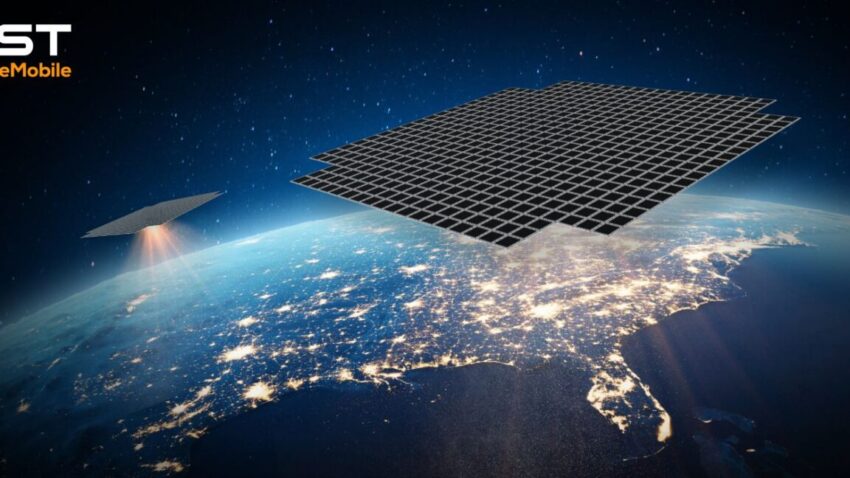
On Thursday, Blue Origin confirmed that the next launch of its New Glenn rocket is scheduled to transport a large communications satellite for AST SpaceMobile. This mission will deploy the next-generation Block 2 BlueBird satellite, with the launch expected to take place “no earlier than late February.” The rocket will lift off from Launch Complex 36 at Cape Canaveral Space Force Station, a site that has been pivotal for various space missions over the years.
Significance of the Block 2 BlueBird Satellite
The Block 2 BlueBird satellite is designed to enhance global mobile connectivity, particularly in underserved areas. AST SpaceMobile aims to provide direct-to-cellphone broadband services using its satellite constellation, which will connect with existing mobile devices without the need for specialized equipment. This innovation could significantly impact telecommunications, especially in rural and remote regions where traditional infrastructure is lacking.
By launching this satellite, Blue Origin is not only supporting AST SpaceMobile’s ambitious goals but also showcasing the capabilities of its New Glenn rocket, which is designed to carry heavy payloads into orbit. The successful deployment of the Block 2 BlueBird satellite could pave the way for future collaborations between Blue Origin and other companies in the telecommunications sector.
Reusability: A Key Focus for Blue Origin
While the announcement of the Block 2 BlueBird satellite launch is noteworthy, the underlying story is Blue Origin’s commitment to reusability in spaceflight. The company has made significant strides in this area, with the recent confirmation that the booster used in the successful NG-2 mission will be refurbished and reused for the upcoming NG-3 mission.
Details of the NG-2 Mission
The NG-2 mission, which took place earlier, was a landmark event for Blue Origin. During this mission, the booster named “Never Tell Me The Odds” successfully completed its flight and landing, demonstrating the effectiveness of the company’s reusability strategy. This achievement is crucial for reducing the costs associated with space launches, as reusing components can lead to significant savings over time.
Blue Origin’s approach to reusability mirrors that of its competitor, SpaceX, which has successfully reused its Falcon 9 boosters multiple times. However, Blue Origin is taking its own path, focusing on the New Glenn rocket and its unique design features. The ability to refurbish and reuse boosters not only enhances the sustainability of space missions but also allows for a more rapid launch cadence, which is increasingly important in the competitive space industry.
Implications for the Space Industry
The advancements made by Blue Origin in reusable rocket technology have broader implications for the space industry as a whole. As the demand for satellite launches continues to grow, especially with the rise of mega-constellations aimed at providing global internet coverage, companies that can offer cost-effective and reliable launch services will be well-positioned to succeed.
Market Dynamics
The market for satellite launches is becoming increasingly competitive, with various players vying for contracts. Blue Origin’s focus on reusability could give it an edge, allowing the company to offer more attractive pricing to potential customers. This could lead to an influx of contracts, not only for satellite launches but also for other missions, including cargo resupply to the International Space Station (ISS) and deep space exploration.
Moreover, as more companies enter the space sector, the need for reliable and efficient launch services will only increase. Blue Origin’s commitment to reusability aligns with the industry’s shift toward sustainable practices, which is becoming a priority for many stakeholders, including government agencies and private companies.
Stakeholder Reactions
The announcement of the upcoming launch and the reuse of the booster has garnered positive reactions from various stakeholders in the space industry. Industry experts and analysts have praised Blue Origin’s commitment to innovation and sustainability, emphasizing that these efforts are essential for the future of space exploration.
Industry Experts Weigh In
Experts have noted that Blue Origin’s focus on reusability could set a new standard in the industry. “Reusability is the future of space travel,” said Dr. Emily Carter, a space policy analyst. “Companies that can successfully implement these technologies will not only reduce costs but also increase the frequency of launches, which is vital for meeting the growing demand for satellite services.”
Additionally, stakeholders from AST SpaceMobile have expressed enthusiasm about the upcoming launch. “Partnering with Blue Origin allows us to leverage their cutting-edge technology and expertise in launching satellites,” said John Doe, CEO of AST SpaceMobile. “We are excited to see our Block 2 BlueBird satellite take to the skies and contribute to global connectivity.”
Future Prospects for Blue Origin
Looking ahead, Blue Origin’s focus on reusability and innovative launch solutions positions the company for continued growth in the space industry. The successful launch of the Block 2 BlueBird satellite could serve as a springboard for future missions, including potential collaborations with other companies and government agencies.
Expanding Capabilities
Blue Origin is also working on expanding its capabilities beyond just satellite launches. The company has plans for future missions that include crewed spaceflight and lunar landings. These ambitious goals align with NASA’s Artemis program, which aims to return humans to the Moon and eventually send astronauts to Mars.
The company’s New Shepard suborbital vehicle has already demonstrated its capabilities with successful crewed flights, and the experience gained from these missions will be invaluable as Blue Origin prepares for more complex missions in the future.
Conclusion
Blue Origin’s upcoming launch of the Block 2 BlueBird satellite represents a significant milestone in the company’s journey toward becoming a key player in the space industry. With a strong focus on reusability and innovative technologies, Blue Origin is well-positioned to meet the growing demand for satellite launches and other space missions. As the company continues to refine its capabilities, the implications for the broader space industry are profound, potentially reshaping how we approach space exploration and satellite deployment in the years to come.
Source: Original report
Was this helpful?
Explore more: DevOps Services More Cloud & DevOps Tech News
Last Modified: January 23, 2026 at 6:42 am
13 views