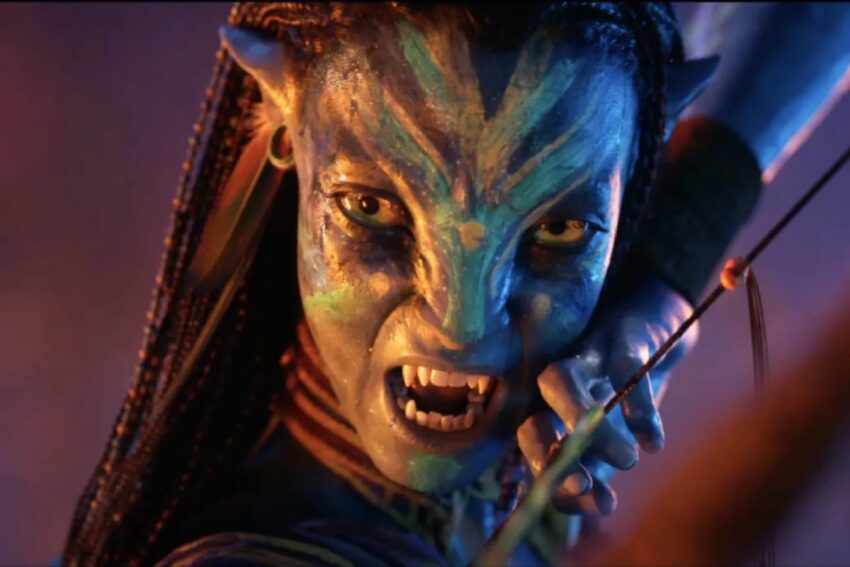
avatar director james cameron says generative ai James Cameron, the acclaimed director known for his groundbreaking work in visual effects, has expressed significant concerns regarding the rise of generative artificial intelligence (AI), labeling it as “horrifying.”
avatar director james cameron says generative ai
James Cameron’s Perspective on Generative AI
James Cameron, renowned for his cinematic masterpieces such as “Avatar,” “Titanic,” and “The Terminator,” has always been at the forefront of technological advancements in filmmaking. His films often showcase cutting-edge visual effects that push the boundaries of what is possible in cinema. However, despite his innovative spirit, Cameron has voiced strong reservations about the implications of generative AI in the film industry and beyond.
In a recent interview, Cameron articulated his fears about generative AI, emphasizing its potential to disrupt not only the creative process but also the ethical landscape of the entertainment industry. He described generative AI as a tool that could lead to a devaluation of human creativity and artistry, raising questions about the future of storytelling in cinema.
The Rise of Generative AI
Generative AI refers to algorithms that can create content, including text, images, music, and even video, based on input data. This technology has gained traction in various fields, from art and music to journalism and marketing. In the film industry, generative AI has the potential to streamline production processes, automate tasks, and even assist in scriptwriting and visual effects creation.
However, the rapid advancement of this technology has sparked debates about its ethical implications. Critics argue that generative AI could undermine the value of human creativity, as machines begin to take on roles traditionally held by artists, writers, and filmmakers. Cameron’s comments reflect a growing concern among industry professionals regarding the potential consequences of relying too heavily on AI in creative endeavors.
Implications for the Film Industry
Cameron’s apprehensions about generative AI highlight broader implications for the film industry. As studios increasingly explore the use of AI for various aspects of filmmaking, including pre-production, production, and post-production, the question arises: what does this mean for the future of storytelling?
Creative Authenticity
One of the primary concerns surrounding generative AI is the potential loss of creative authenticity. Filmmaking has always been a deeply human endeavor, rooted in the unique perspectives and experiences of its creators. Cameron argues that the use of AI-generated content could dilute the emotional resonance and authenticity that comes from human storytelling.
For instance, while AI can analyze vast amounts of data to generate scripts or plotlines, it lacks the ability to understand the nuances of human emotion and experience. This raises the question of whether AI-generated narratives can truly resonate with audiences in the same way that human-created stories do. Cameron’s perspective suggests that the reliance on AI in filmmaking could lead to a homogenization of content, where stories become formulaic and devoid of genuine emotional depth.
Job Displacement
Another significant concern is the potential for job displacement within the industry. As studios adopt AI technologies to streamline production processes, there is a fear that many creative roles could become obsolete. Screenwriters, visual effects artists, and even directors may find their jobs threatened by the increasing capabilities of generative AI.
Cameron’s comments resonate with many industry professionals who worry about the future of their livelihoods. The film industry has always been competitive, and the introduction of AI could exacerbate existing challenges for creatives trying to establish themselves in a crowded marketplace. The fear is that as AI takes on more responsibilities, the opportunities for human artists to contribute meaningfully to the creative process may diminish.
Stakeholder Reactions
The reactions to Cameron’s remarks have been mixed, reflecting the diverse opinions within the film industry regarding the role of generative AI. Some industry veterans share his concerns, emphasizing the importance of preserving the human touch in filmmaking. Others, however, view generative AI as a valuable tool that can enhance creativity and efficiency.
Support for Cameron’s View
Many filmmakers, writers, and artists have echoed Cameron’s sentiments, advocating for a cautious approach to the integration of AI in creative processes. They argue that while AI can assist in certain tasks, it should never replace the human element that is essential to storytelling. These stakeholders emphasize the need for a balanced approach that leverages technology without compromising the integrity of the creative process.
Proponents of AI in Filmmaking
Conversely, there are those within the industry who champion the use of generative AI as a means to unlock new creative possibilities. Proponents argue that AI can serve as a collaborative partner, helping artists explore ideas and concepts that they may not have considered otherwise. They believe that AI can enhance the creative process rather than replace it, allowing filmmakers to push the boundaries of their craft.
For instance, some filmmakers have begun experimenting with AI-generated scripts and visual effects, finding that these tools can inspire new directions for their projects. This perspective suggests that rather than viewing AI as a threat, it can be embraced as a complementary force that enhances human creativity.
The Future of Filmmaking
As the debate surrounding generative AI continues, the future of filmmaking remains uncertain. Cameron’s warnings serve as a reminder of the need for careful consideration of the ethical implications of technology in the creative arts. The film industry must navigate the delicate balance between embracing innovation and preserving the essence of storytelling.
Ethical Considerations
One of the key ethical considerations in the use of generative AI is the question of authorship. If an AI generates a script or creates visual effects, who owns the rights to that content? This question becomes increasingly complex as AI technology evolves, potentially leading to legal disputes and challenges in defining intellectual property.
Furthermore, there is the issue of bias in AI algorithms. If the data used to train AI systems is biased, the resulting content may also reflect those biases, perpetuating stereotypes and reinforcing harmful narratives. This raises concerns about the responsibility of filmmakers and studios to ensure that AI-generated content aligns with ethical standards and promotes inclusivity.
Finding a Balance
In light of these challenges, the film industry must find a way to balance the benefits of generative AI with the need to preserve the human touch in storytelling. This may involve establishing guidelines and best practices for the ethical use of AI in filmmaking, ensuring that technology serves as a tool for enhancement rather than a replacement for human creativity.
Cameron’s insights serve as a crucial reminder that while technology can offer exciting possibilities, it is essential to remain vigilant about its implications. The future of filmmaking will likely involve a collaborative relationship between humans and AI, where both can coexist and contribute to the art of storytelling in meaningful ways.
Conclusion
James Cameron’s characterization of generative AI as “horrifying” underscores the complex relationship between technology and creativity in the film industry. As the landscape of filmmaking continues to evolve, it is imperative for industry stakeholders to engage in thoughtful discussions about the role of AI in shaping the future of storytelling. By addressing ethical concerns and finding a balance between innovation and authenticity, the film industry can navigate the challenges posed by generative AI while preserving the essence of human creativity.
Source: Original report
Was this helpful?
Explore more: AI Automation Services More AI & Automation Tech News
Last Modified: December 1, 2025 at 9:38 am
17 views