asus chases elgato with its own secondary Asus has unveiled its latest innovation in gaming peripherals with the introduction of the ROG Strix XG129C, a secondary touchscreen display designed to complement larger monitors.
asus chases elgato with its own secondary
Overview of the ROG Strix XG129C
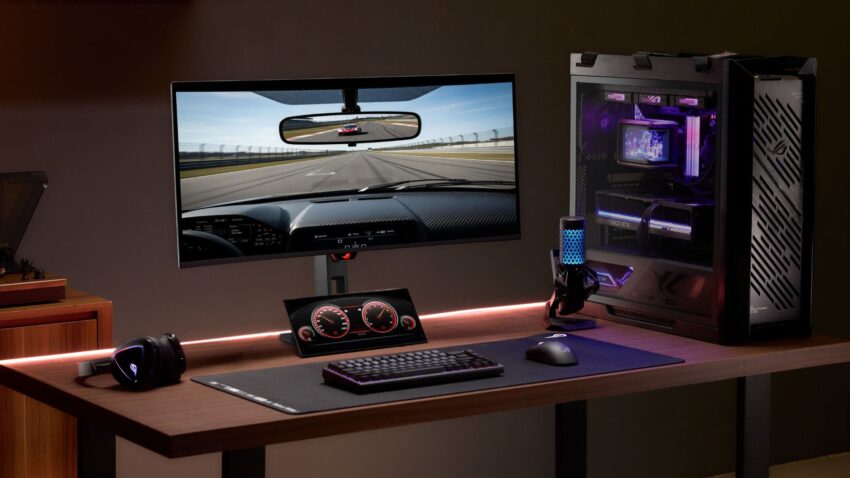
Announced on Friday, the ROG Strix XG129C is a 12.3-inch touchscreen IPS display that aims to enhance the gaming experience by providing additional screen real estate for multitasking and monitoring. This device is positioned as a sidekick for gamers who already have a primary monitor but require extra functionality without the bulk of a full-sized display. The XG129C is reminiscent of the 14.1-inch secondary display found in the 2020 Asus ROG Zephyrus Duo 15, but with a more compact form factor.
Specifications and Features
The ROG Strix XG129C is designed with performance in mind. It features a 720p resolution, which is comparable to its competitors, including Corsair’s Xeneon Edge, which boasts a slightly larger 14.5-inch display. While the resolution may seem modest by today’s standards, the XG129C compensates with its color accuracy and vibrant display capabilities.
- Color Gamut Coverage: Asus claims that the XG129C covers 125 percent of the sRGB color gamut and 90 percent of the DCI-P3 color gamut. This level of color reproduction is particularly beneficial for gamers and content creators who require precise colors for their work.
- Touchscreen Functionality: The touchscreen capability allows for intuitive interaction, making it easier to manage applications, monitor system performance, or even control streaming software without needing to switch windows on the primary display.
- Subscription Offer: Asus includes a one-year subscription to AIDA64 Extreme, a hardware monitoring tool that typically retails for $65. This software provides users with detailed information about their system’s performance, including temperature readings, CPU usage, and more, making it a valuable addition for gamers who want to keep an eye on their hardware.
Market Positioning and Competitive Landscape
The introduction of the ROG Strix XG129C comes at a time when the market for secondary displays is becoming increasingly competitive. Asus is not the only player in this space; companies like Corsair and Elgato have also made significant strides with their own offerings. Corsair’s Xeneon Edge, for instance, has gained attention for its larger size and similar resolution, while Elgato’s Stream Deck has carved out a niche for streamers looking for customizable control options.
Target Audience
The ROG Strix XG129C is primarily aimed at gamers, particularly those who engage in multitasking while gaming. This includes streamers who need to monitor chat and system performance simultaneously, as well as content creators who may be running editing software alongside their gaming sessions. The compact size of the XG129C makes it a suitable addition to any gaming setup without overwhelming the primary display.
Potential Use Cases
There are several practical applications for the ROG Strix XG129C that highlight its versatility:
- Gaming and Streaming: Gamers can use the secondary display to monitor their stream, interact with viewers, and manage their game settings without disrupting their primary gameplay.
- Content Creation: For video editors and graphic designers, the XG129C can serve as a dedicated workspace for tools and palettes, allowing for a more efficient workflow.
- System Monitoring: With the included AIDA64 Extreme subscription, users can keep track of their system’s performance metrics, ensuring that they are aware of any potential issues during intense gaming sessions.
Implications for Asus and the Gaming Industry
The launch of the ROG Strix XG129C signifies Asus’s commitment to expanding its product lineup in the gaming sector. By introducing a secondary display, Asus is not only catering to the needs of gamers but also positioning itself as a serious competitor against established brands like Elgato and Corsair. This move could potentially reshape how gamers configure their setups, emphasizing the importance of multitasking capabilities.
Stakeholder Reactions
Initial reactions from industry analysts and gamers have been mixed. Some praise the innovative approach of Asus in creating a compact secondary display that enhances productivity and gaming experience. Others, however, express concerns about the practicality of a 720p resolution in a market increasingly leaning towards higher resolutions like 1080p and 1440p.
Feedback from early adopters indicates that while the touchscreen functionality is a welcome addition, the resolution may limit its appeal to those who prioritize visual fidelity in their gaming experiences. As such, Asus may need to consider future iterations of the XG129C that incorporate higher resolutions to remain competitive.
Future Developments
Looking ahead, the success of the ROG Strix XG129C could pave the way for further innovations in the secondary display market. Asus may explore additional features such as customizable display settings, improved resolution options, and enhanced connectivity features to attract a broader audience. The company could also consider partnerships with software developers to create tailored applications that maximize the utility of the touchscreen interface.
Conclusion
The ROG Strix XG129C represents a significant step for Asus in the realm of gaming peripherals, offering a unique solution for gamers seeking to enhance their setups with a secondary display. While it faces competition from established brands, its combination of touchscreen functionality, color accuracy, and bundled software makes it a compelling option for those looking to elevate their gaming experience. As the gaming industry continues to evolve, products like the XG129C will play a crucial role in shaping the future of gaming setups.
Source: Original report
Was this helpful?
Explore more: More Hardware & Devices Tech News Blog
Last Modified: May 9, 2026 at 7:37 am
18 views