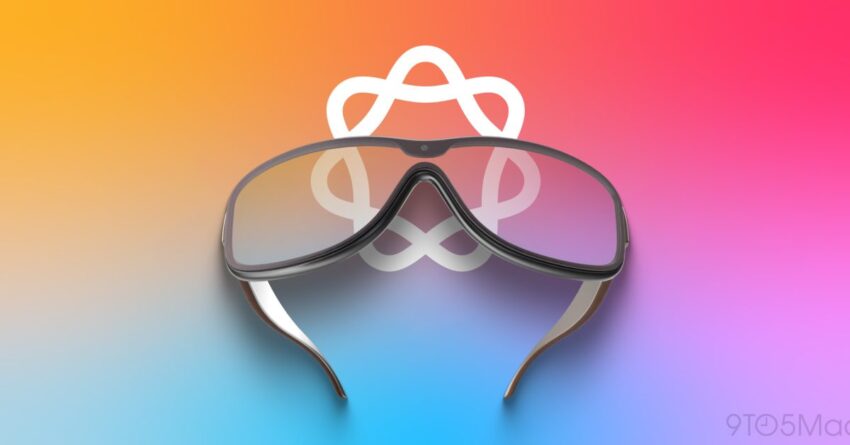
as we await apple glasses neal stephenson Neal Stephenson, a prominent science fiction author, has expressed skepticism about the future of smart glasses, a technology that many, including Apple executives, once believed would eventually replace smartphones.
as we await apple glasses neal stephenson
Background on Smart Glasses and Industry Expectations
In recent years, the tech industry has been buzzing with anticipation regarding augmented reality (AR) and virtual reality (VR) technologies. Apple, in particular, has been at the forefront of this excitement. Reports indicated that Apple executives once believed the iPhone would be supplanted by smart glasses by 2029. Eddy Cue, Apple’s senior vice president of services, later updated this timeline to 2035, suggesting a strong belief in the potential of smart glasses to revolutionize how we interact with technology.
Smart glasses are designed to overlay digital information onto the real world, allowing users to access information hands-free. This technology has been touted as the next big leap in personal computing, with the potential to integrate seamlessly into daily life. The idea is that users could receive notifications, navigate, and interact with apps without needing to pull out a smartphone. However, the reality of achieving this vision has proven to be more complex than anticipated.
Neal Stephenson’s Shift in Perspective
Neal Stephenson, known for his influential works such as “Snow Crash” and “Cryptonomicon,” has long been an advocate for advanced technology. His early support for smart glasses was rooted in a belief that they could fundamentally change human interaction with digital information. However, recent statements indicate a significant shift in his perspective. Stephenson now believes that smartphones will remain a dominant form of technology for the next 20 years, casting doubt on the viability of smart glasses as a mainstream device.
Stephenson’s change of heart raises important questions about the future of smart glasses and the broader implications for the tech industry. If a visionary like Stephenson, who has historically championed futuristic technologies, is now skeptical, what does that mean for the trajectory of AR and VR development?
Challenges Facing Smart Glasses
Several factors contribute to the skepticism surrounding smart glasses:
- Technical Limitations: Current smart glasses often struggle with issues such as battery life, display quality, and user interface design. Many existing models are bulky and uncomfortable for extended wear, which can deter potential users.
- User Acceptance: The general public has shown mixed reactions to the idea of wearing smart glasses. Privacy concerns, social stigma, and the potential for distraction are significant barriers to widespread adoption.
- Market Competition: The smartphone market is highly saturated, and consumers are accustomed to the capabilities of their devices. Convincing users to switch to a new form factor requires compelling use cases that demonstrate clear advantages over existing technology.
Implications of Stephenson’s Comments
Stephenson’s remarks could signal a broader trend in the tech industry, where optimism about emerging technologies is tempered by practical realities. His skepticism may resonate with other industry experts and consumers who are wary of the hype surrounding smart glasses. This shift in sentiment could impact investment in AR and VR technologies, leading companies to reassess their strategies and timelines.
Stakeholder Reactions
The reactions to Stephenson’s comments have been varied. Some industry analysts agree with his assessment, citing the challenges mentioned above as significant hurdles that need to be overcome before smart glasses can become mainstream. Others, however, remain optimistic about the potential of AR and VR technologies, arguing that advancements in hardware and software will eventually lead to a breakthrough.
Apple, in particular, has invested heavily in AR technology, with the expectation that it will play a crucial role in the company’s future. The recent unveiling of the Vision Pro headset has generated excitement, but it also highlights the ongoing challenges in creating a user-friendly AR experience. Apple’s commitment to this technology suggests that the company still believes in the potential for smart glasses to eventually replace smartphones, despite the skepticism expressed by figures like Stephenson.
The Future of Smart Glasses
As the tech industry continues to evolve, the future of smart glasses remains uncertain. While Stephenson’s comments may reflect a moment of doubt, they also serve as a reminder of the importance of realistic expectations in technology development. The path to mainstream adoption of smart glasses may be longer and more complex than initially anticipated.
Potential Developments
Despite the challenges, several potential developments could influence the future of smart glasses:
- Technological Advancements: Ongoing research and development in areas such as miniaturization, battery technology, and display quality could lead to significant improvements in smart glasses. As technology progresses, the barriers to adoption may diminish.
- Integration with Existing Devices: Future iterations of smart glasses may focus on seamless integration with smartphones and other devices, enhancing their utility without requiring users to abandon their current technology.
- New Use Cases: As developers explore innovative applications for smart glasses, compelling use cases may emerge that demonstrate their value in various fields, including healthcare, education, and entertainment.
Conclusion
Neal Stephenson’s recent comments about the future of smart glasses highlight the complex interplay between technological innovation and consumer acceptance. While Apple and other companies continue to invest in AR and VR technologies, the skepticism surrounding smart glasses serves as a cautionary tale about the challenges of predicting the future of technology. As the industry evolves, it will be essential to balance optimism with realism, ensuring that advancements align with user needs and expectations.
Ultimately, the fate of smart glasses may depend on the ability of companies to address the technical and social challenges that have hindered their adoption. As we await further developments in this space, it remains to be seen whether smart glasses will fulfill their promise or if smartphones will continue to dominate our digital lives for the foreseeable future.
Source: Original report
Was this helpful?
Explore more: More Hardware & Devices Tech News Blog
Last Modified: March 25, 2026 at 4:42 pm
16 views