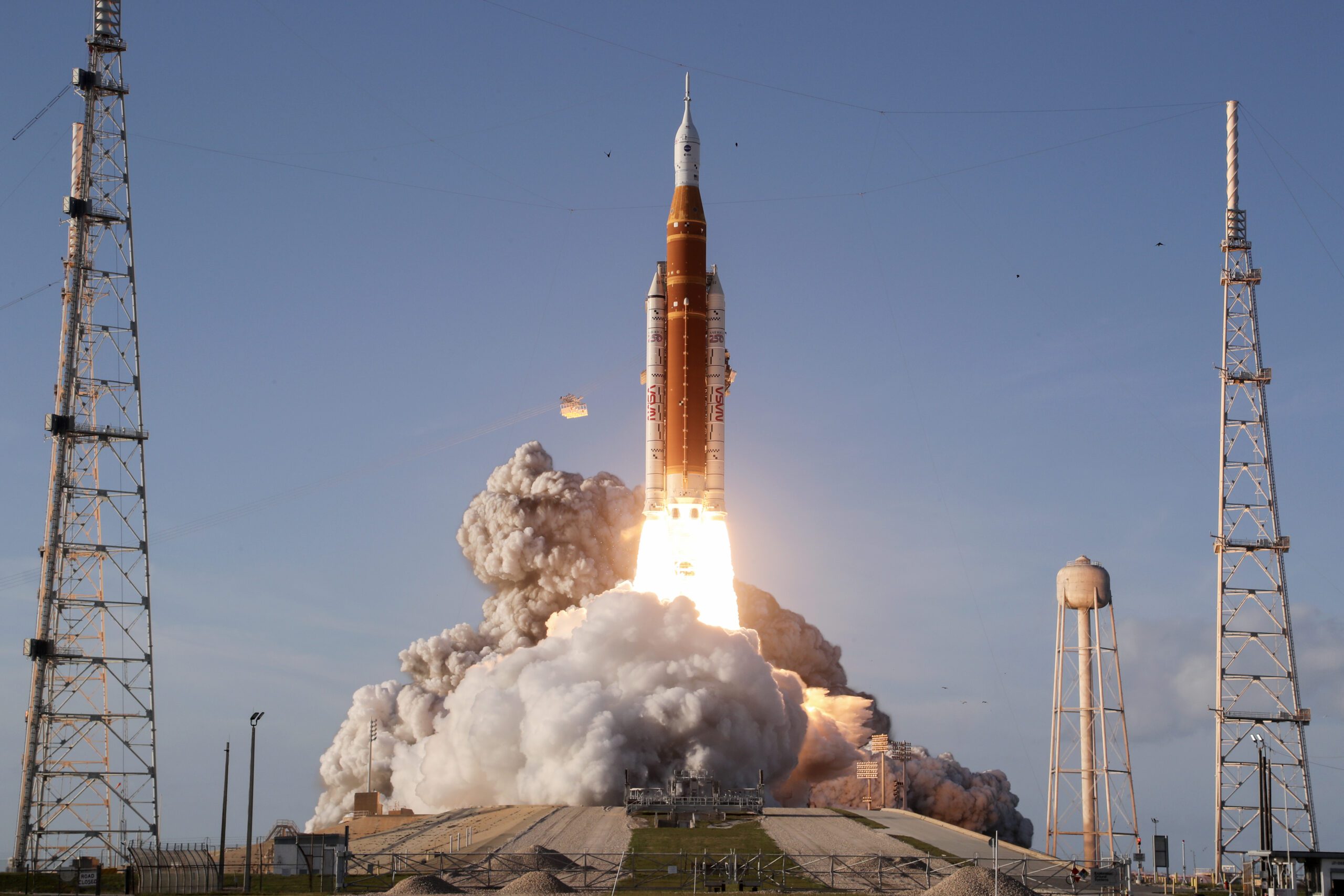
as artemis ii zooms to the moon As the Artemis II lunar mission moved into its third day on Friday, and with the spacecraft’s big engine firing behind it, the four astronauts on board had a little more downtime.
as artemis ii zooms to the moon
Mission Overview
The Artemis II mission, part of NASA’s ambitious Artemis program, aims to return humans to the Moon for the first time since the Apollo missions. Launched on April 3, 2026, this mission is a critical step in establishing a sustainable human presence on the lunar surface and preparing for future crewed missions to Mars. The spacecraft, Orion, is designed to carry astronauts into deep space and support long-duration missions.
Key Objectives
The primary objectives of Artemis II include:
- Testing the Orion spacecraft’s systems in a deep-space environment.
- Conducting a lunar flyby to gather data and assess performance.
- Demonstrating the capabilities necessary for future lunar landings and missions to Mars.
This mission not only serves as a technological demonstration but also aims to inspire a new generation of scientists, engineers, and explorers.
Astronauts’ Experience in Space
As the mission progressed, the four crew members—Reid Wiseman, Victor Glover, Christina Koch, and Jeremy Hansen—began to settle into their roles aboard the spacecraft. With the initial phases of the mission behind them, they enjoyed a brief respite from their rigorous schedule. This downtime allowed them to engage in activities that fostered both personal connections and professional responsibilities.
Communication with Families
One of the highlights of their downtime was the opportunity to communicate with family members back on Earth. For astronauts, maintaining connections with loved ones is crucial for mental well-being during long missions. The crew members participated in video calls, sharing their experiences and emotions with family, which not only provided comfort but also reinforced their support systems.
Media Engagements
In addition to personal communications, the astronauts participated in media events, providing updates on their mission and sharing insights into life aboard the Orion spacecraft. These engagements are essential for public outreach, helping to maintain interest in space exploration and the Artemis program. The astronauts expressed their excitement about the mission and the significance of their journey, emphasizing the collaborative efforts of NASA and its partners.
Health Monitoring and Medical Conferences
Health and safety are paramount during space missions, and the Artemis II crew held medical conferences with physicians based in Houston. These sessions are routine and serve to monitor the astronauts’ physical and mental health while in space. Fortunately, none of the crew members reported experiencing space adaptation sickness, a common issue for astronauts adjusting to microgravity conditions. This positive outcome reflects the extensive training and preparation the astronauts underwent prior to launch.
Space Adaptation Sickness
Space adaptation sickness, often referred to as “space sickness,” can cause symptoms such as nausea, dizziness, and disorientation. It typically occurs during the initial days of a mission as the body adjusts to the lack of gravity. The absence of such symptoms among the Artemis II crew is a promising indicator of their overall health and readiness for the challenges ahead.
Capturing Stunning Imagery
During their downtime, the astronauts also took the opportunity to capture breathtaking images of Earth from space. Commander Reid Wiseman shared a particularly stunning photograph on Friday morning, showcasing the planet’s night side. The image, taken with a relatively long exposure, revealed remarkable details, including two auroras and zodiacal light in the bottom right corner. The Sun’s rays illuminated the far side of the Earth, creating a striking contrast between light and darkness.
The Importance of Photography in Space
Photography plays a vital role in space missions, serving both scientific and artistic purposes. Images captured by astronauts can provide valuable data for research while also inspiring people on Earth. The stunning visuals often highlight the beauty of our planet and the fragility of its environment, fostering a sense of global unity and responsibility.
Technological Innovations and Challenges
The Artemis II mission is not only a testament to human ingenuity but also a showcase of advanced technology. The Orion spacecraft is equipped with state-of-the-art systems designed to ensure the safety and success of the mission. However, the journey to the Moon is not without its challenges.
Advanced Systems on Orion
Orion features several innovative systems, including:
- Life support systems that provide breathable air and manage waste.
- Navigation and communication systems that ensure constant contact with mission control.
- Thermal protection systems designed to withstand the extreme temperatures of space travel.
These systems are critical for the success of the mission, and their performance will be closely monitored throughout the journey.
Potential Challenges Ahead
While the mission has progressed smoothly thus far, challenges can arise at any moment during space travel. Factors such as equipment malfunctions, unexpected space weather, or changes in mission parameters can impact the crew’s safety and mission objectives. NASA has established robust contingency plans to address potential issues, ensuring that the crew remains safe and that mission goals are met.
Looking Ahead: Future Missions
The success of Artemis II will pave the way for future missions, including Artemis III, which aims to land astronauts on the lunar surface. This mission is particularly significant as it will mark the first time humans have set foot on the Moon since the Apollo program ended in 1972. The Artemis program is designed to establish a sustainable human presence on the Moon, with the ultimate goal of preparing for crewed missions to Mars.
International Collaboration
The Artemis program is not solely a NASA initiative; it involves collaboration with international partners, including the European Space Agency (ESA), the Canadian Space Agency (CSA), and the Japan Aerospace Exploration Agency (JAXA). This global effort emphasizes the importance of international cooperation in space exploration, fostering shared knowledge and resources.
Implications for Future Exploration
The advancements made during the Artemis missions will have far-reaching implications for future space exploration. Lessons learned from lunar missions will inform the design and execution of crewed missions to Mars and beyond. The Artemis program aims to establish a sustainable presence on the Moon, which will serve as a testing ground for technologies and systems necessary for long-duration space travel.
Conclusion
As Artemis II continues its journey to the Moon, the mission serves as a reminder of humanity’s enduring spirit of exploration and discovery. The successful execution of this mission will not only advance our understanding of space but also inspire future generations to reach for the stars. With each milestone achieved, NASA and its partners are one step closer to realizing the dream of sustainable human presence on the Moon and beyond.
Source: Original report
Was this helpful?
Last Modified: April 4, 2026 at 4:37 am
0 views