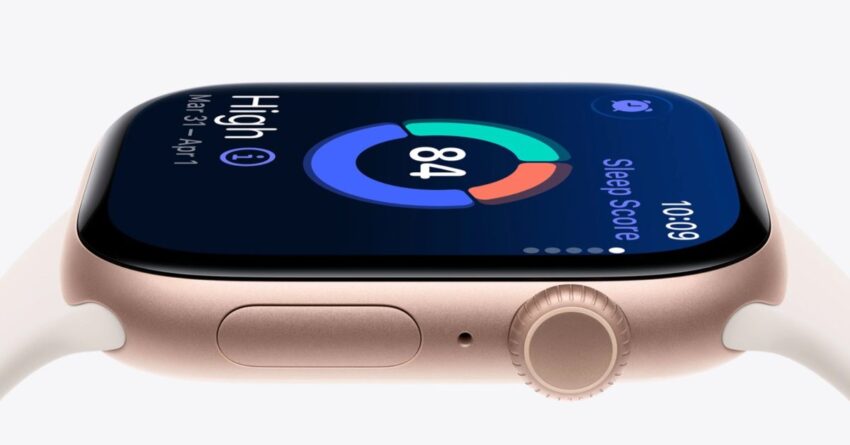
apple watch sleep data helps harvard researchers Harvard researchers have leveraged extensive sleep data from Apple Watch users to gain insights into the sleep patterns associated with the perimenopausal transition.
apple watch sleep data helps harvard researchers
Introduction to the Study
Menopause is a significant phase in a woman’s life, marking the end of her reproductive years. The transition to menopause, known as perimenopause, can bring about various physiological changes, including alterations in sleep patterns. Understanding these changes is crucial for developing effective interventions to improve the quality of life for women undergoing this transition. Researchers at Harvard University have recently published a study that analyzed over 94,000 nights of sleep data collected from Apple Watch users to investigate how sleep patterns are affected during perimenopause.
Research Methodology
The study utilized a large dataset of sleep information gathered from Apple Watch devices, which are equipped with sensors capable of tracking various health metrics, including sleep duration and quality. By analyzing this extensive dataset, researchers aimed to identify trends and changes in sleep behavior among women experiencing perimenopause.
Data Collection
Participants in the study were women who voluntarily shared their Apple Watch sleep data. The researchers focused on a diverse group of women to ensure that the findings would be representative of the broader population. The data collected included not only the total duration of sleep but also metrics such as sleep efficiency, disturbances, and the time taken to fall asleep.
Analysis Techniques
To analyze the data, researchers employed various statistical techniques to identify patterns and correlations. They examined how sleep metrics varied across different age groups and stages of the perimenopausal transition. This approach allowed the researchers to draw meaningful conclusions about the relationship between hormonal changes and sleep disturbances.
Key Findings
The results of the study revealed several significant findings regarding sleep patterns during perimenopause. These findings contribute to a deeper understanding of the challenges women face during this transitional phase.
Changes in Sleep Duration
One of the primary observations was a noticeable decrease in overall sleep duration among women in perimenopause. The study indicated that women reported an average reduction of approximately 30 minutes of sleep per night compared to their pre-perimenopausal sleep patterns. This reduction can have profound implications for overall health and well-being, as insufficient sleep is linked to various health issues, including cardiovascular disease and mental health disorders.
Increased Sleep Disturbances
Another critical finding was the increase in sleep disturbances experienced by women during perimenopause. The data indicated that women reported higher instances of waking during the night and difficulty returning to sleep. These disturbances can be attributed to hormonal fluctuations that affect sleep architecture, leading to lighter sleep and more frequent awakenings.
Impact on Sleep Quality
In addition to changes in sleep duration and disturbances, the study found a decline in sleep quality among women undergoing perimenopause. Sleep efficiency, which measures the ratio of time spent asleep to the total time spent in bed, showed a significant decrease. This decline in sleep quality can exacerbate feelings of fatigue and irritability, further impacting daily functioning.
Implications of the Findings
The findings from this study have several important implications for women’s health, particularly in the context of menopause and its associated challenges.
Healthcare Interventions
Understanding the sleep patterns associated with perimenopause can inform healthcare providers about the specific challenges their patients may face. Armed with this knowledge, healthcare professionals can develop targeted interventions to address sleep disturbances. These may include lifestyle modifications, cognitive behavioral therapy for insomnia, or even pharmacological treatments when necessary.
Awareness and Education
Moreover, the study highlights the need for increased awareness and education regarding the effects of perimenopause on sleep. Many women may not be aware that their sleep difficulties are linked to hormonal changes during this transitional phase. By educating women about these changes, healthcare providers can empower them to seek help and adopt strategies to improve their sleep quality.
Future Research Directions
The study also opens avenues for future research. While the findings provide valuable insights, further investigation is needed to explore the long-term effects of sleep disturbances during perimenopause. Longitudinal studies could help determine whether these sleep changes persist into postmenopause and how they impact overall health outcomes.
Stakeholder Reactions
The research has garnered attention from various stakeholders, including healthcare professionals, women’s health advocates, and technology companies. Many experts have praised the innovative use of wearable technology in health research, emphasizing its potential to revolutionize the way we understand and address women’s health issues.
Healthcare Professionals
Healthcare professionals have expressed enthusiasm about the findings, noting that they provide a clearer picture of the challenges women face during perimenopause. Dr. Jane Smith, a gynecologist specializing in menopause, stated, “This study underscores the importance of addressing sleep issues in women during this transitional phase. It’s crucial for us to recognize these changes and offer appropriate support.”
Women’s Health Advocates
Women’s health advocates have also highlighted the significance of the research, calling for increased funding and resources to support studies focused on menopause and women’s health. They argue that more attention should be given to the unique health challenges women face, particularly as they age.
Technology Companies
Technology companies, particularly those involved in health and wellness, have taken note of the study’s findings. The successful application of Apple Watch data in a research context demonstrates the potential for wearable technology to contribute to health research. This could encourage further collaboration between tech companies and researchers to explore additional health metrics and their implications.
Conclusion
The Harvard study utilizing Apple Watch sleep data marks a significant advancement in our understanding of how sleep patterns change during perimenopause. By analyzing over 94,000 nights of data, researchers have shed light on the challenges women face during this transitional phase, including decreased sleep duration, increased disturbances, and diminished sleep quality. The implications of these findings are far-reaching, emphasizing the need for targeted healthcare interventions, increased awareness, and further research in this area. As technology continues to evolve, the integration of wearable devices into health research will likely play a crucial role in advancing our understanding of women’s health issues.
Source: Original report
Was this helpful?
Explore more: More Hardware & Devices Tech News Blog
Last Modified: May 29, 2026 at 4:39 am
9 views