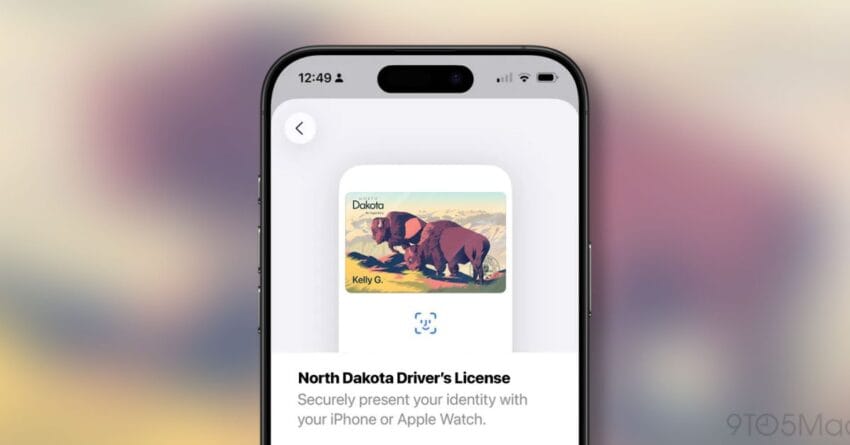
apple wallet digital id support expands to Apple continues to broaden the accessibility of digital identification through its Apple Wallet, with North Dakota becoming the latest state to adopt this technology.
apple wallet digital id support expands to
Expansion of Digital ID Support
In recent months, Apple has made significant strides in expanding the list of U.S. states and territories that support digital IDs within the Apple Wallet app. This initiative is part of Apple’s broader strategy to integrate more functionalities into its mobile platform, ultimately aiming to streamline user experiences and enhance convenience. Following the addition of Montana in August, North Dakota is now the latest state to join this growing list.
What This Means for North Dakota Residents
The inclusion of North Dakota in the Apple Wallet digital ID program allows residents to store their driver’s licenses and state identification cards directly on their iPhones. This digital representation of identification is designed to be secure and user-friendly, providing a seamless way for individuals to present their IDs when necessary, such as during traffic stops or at age-restricted venues.
For North Dakota residents, this means less reliance on physical cards, which can be lost or forgotten. Instead, users can access their IDs quickly and easily through their smartphones. The digital ID feature is expected to enhance convenience while also improving security, as Apple employs advanced encryption and biometric authentication to safeguard personal information.
How Digital IDs Work in Apple Wallet
Digital IDs in Apple Wallet function similarly to traditional physical IDs but come with several advantages. Users can add their state-issued ID to the Wallet app by scanning the card and following a verification process. This process typically involves confirming personal details and may require biometric authentication, such as Face ID or Touch ID, to ensure that only the authorized user can access the ID.
Once added, the digital ID can be used in various scenarios, including:
- Traffic stops, where law enforcement can verify identity without needing to handle a physical card.
- Age verification at bars, clubs, or other venues requiring proof of age.
- Identification for travel, although this may depend on specific airline policies.
Security Features
Apple emphasizes security in its digital ID offerings. The company uses end-to-end encryption to protect users’ data, ensuring that personal information is not accessible to unauthorized parties. Additionally, the use of biometric authentication adds an extra layer of security, making it difficult for anyone other than the ID holder to access the digital ID.
Moreover, Apple has implemented features that allow users to control what information is shared. For instance, when presenting a digital ID, users can choose to display only the necessary information, such as their name and date of birth, without revealing additional details like their address.
Broader Implications of Digital IDs
The expansion of digital ID support in Apple Wallet is not just a convenience for users; it also has broader implications for various sectors, including law enforcement, retail, and travel. As more states adopt this technology, the potential for standardization across the country increases, which could lead to a more unified approach to identification.
Impact on Law Enforcement
For law enforcement agencies, the ability to access digital IDs can streamline processes during traffic stops or other interactions. Officers can quickly verify a driver’s identity without the need for physical cards, potentially reducing the time spent on these encounters. This efficiency could lead to improved safety for both officers and citizens.
Retail and Hospitality Sectors
In the retail and hospitality industries, digital IDs can simplify age verification processes. Businesses can implement systems that scan digital IDs, making it easier to comply with age restrictions for alcohol and tobacco sales. This could reduce the risk of human error associated with manual checks and enhance the customer experience.
Travel and Transportation
The travel industry may also benefit from the adoption of digital IDs. Airlines and airports could incorporate digital identification into their check-in processes, allowing travelers to present their IDs on their smartphones. This could lead to shorter lines and a more efficient boarding process, enhancing the overall travel experience.
Stakeholder Reactions
The rollout of digital IDs has garnered mixed reactions from various stakeholders. Supporters argue that the technology represents a significant step forward in modernizing identification methods, while critics raise concerns about privacy and data security.
Support from Tech Advocates
Advocates for digital identification technology emphasize the convenience and security it offers. They argue that as society becomes increasingly digital, traditional forms of identification must evolve to meet modern needs. Supporters also highlight the potential for reducing fraud and identity theft, as digital IDs can be more secure than physical cards.
Concerns from Privacy Advocates
On the other hand, privacy advocates express concerns about the implications of storing personal information on digital platforms. They argue that while encryption and biometric authentication enhance security, the risk of data breaches remains a significant concern. Additionally, there are worries about how data might be used or shared, particularly with third-party companies.
Government and Regulatory Perspectives
From a governmental standpoint, the adoption of digital IDs raises questions about regulation and standardization. As more states begin to implement digital identification, there may be a need for federal guidelines to ensure consistency and protect citizens’ rights. Policymakers will need to address these issues to foster public trust in digital ID systems.
The Future of Digital IDs
As Apple continues to expand its digital ID offerings, the future of identification technology appears promising. With North Dakota’s recent inclusion, the momentum for digital IDs is building, and other states may soon follow suit. The potential for widespread adoption could lead to significant changes in how individuals interact with various sectors, from law enforcement to retail.
Potential for Nationwide Adoption
If the trend continues, we may see a future where digital IDs are the norm across the United States. This could lead to a more unified approach to identification, simplifying processes for individuals and businesses alike. However, achieving this vision will require collaboration among technology companies, government agencies, and stakeholders to address security, privacy, and regulatory concerns.
Conclusion
The expansion of digital ID support in Apple Wallet to include North Dakota marks another step forward in the evolution of identification technology. As more states adopt this feature, the implications for convenience, security, and efficiency will continue to unfold. While challenges remain, the potential benefits of digital IDs are significant, paving the way for a more streamlined and secure future.
Source: Original report
Was this helpful?
Explore more: Mobile App Development More Mobile Technology Tech News
Last Modified: September 26, 2025 at 6:37 am
10 views