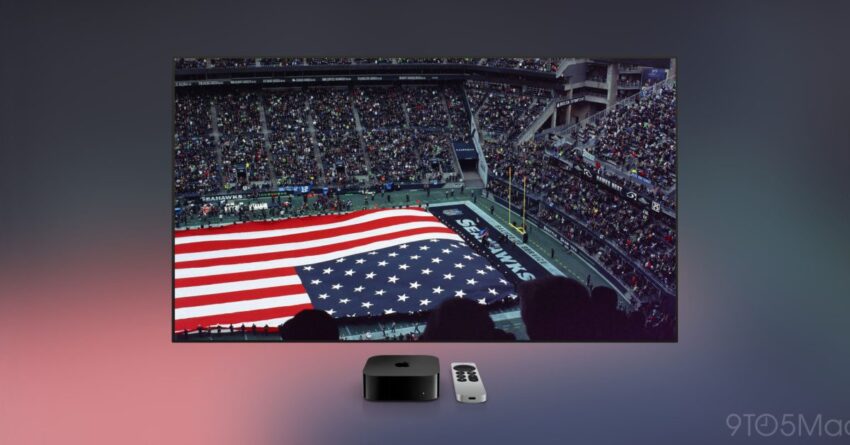
apple s big super bowl ad might This Sunday marks the Super Bowl, a monumental event in American culture and television, but Apple may not be as prominently featured in the advertising lineup as many expect.
apple s big super bowl ad might
Super Bowl Advertising Landscape
The Super Bowl is renowned not only for its high-stakes football game but also for its extravagant commercials. Brands invest millions of dollars for a mere 30 seconds of airtime, knowing that the audience can reach over 100 million viewers. This year, the advertising landscape is particularly competitive, with companies vying for attention amidst a backdrop of celebrity endorsements and innovative storytelling.
Apple, a company synonymous with groundbreaking marketing strategies, has historically made a significant impact during the Super Bowl. From iconic ads that have defined its brand to clever product placements, Apple has often seized the opportunity to showcase its latest innovations. However, this year, the tech giant appears to be taking a different approach.
Apple’s Super Bowl Strategy
While Apple is sponsoring the halftime show, a move that guarantees visibility, it seems that the company is not investing in traditional paid commercials this year. Instead, the only advertisement linked to the brand during the Super Bowl will be an F1 ad created by Cadillac, a subsidiary of General Motors. This ad is expected to highlight the collaboration between Cadillac and Apple, showcasing the integration of Apple technology within Cadillac vehicles.
Cadillac’s Role
Cadillac’s ad is significant for several reasons. First, it underscores the growing relationship between automotive brands and technology companies. As vehicles become increasingly digitized, the integration of technology into cars is more critical than ever. Cadillac’s partnership with Apple reflects this trend, as both companies aim to enhance the driving experience through advanced technology.
Moreover, Cadillac’s ad may serve as a strategic move to appeal to a younger demographic that values both luxury and technology. By associating with Apple, Cadillac is positioning itself as a forward-thinking brand that embraces innovation. This partnership could potentially attract new customers who prioritize tech-savvy features in their vehicles.
Implications of Apple’s Advertising Choices
Apple’s decision to forgo traditional Super Bowl commercials raises questions about its marketing strategy and brand positioning. Historically, the company has leveraged high-profile advertising opportunities to reinforce its image as a leader in innovation. By opting out of the commercial space this year, Apple may be signaling a shift in how it chooses to engage with consumers.
Changing Consumer Behavior
One possible explanation for Apple’s reduced presence in Super Bowl advertising could be the changing landscape of consumer behavior. With the rise of digital media and streaming platforms, traditional television advertising is becoming less effective. Many consumers now prefer to engage with brands through social media, online content, and targeted digital ads. This shift may have influenced Apple’s decision to focus on sponsorship rather than traditional commercials.
Brand Loyalty and Community Engagement
Another factor to consider is Apple’s strong brand loyalty. The company has cultivated a dedicated customer base that often engages with its products and services beyond traditional advertising. By focusing on community engagement and experiential marketing, Apple may be prioritizing deeper connections with its consumers over fleeting commercial impressions.
Stakeholder Reactions
The reaction to Apple’s advertising strategy has been mixed among industry experts and consumers alike. Some marketing professionals express concern that the absence of a traditional Super Bowl ad could diminish Apple’s visibility during one of the year’s most-watched events. They argue that the Super Bowl is an opportunity to reinforce brand identity and reach new audiences.
Conversely, others view Apple’s strategy as a bold move that reflects a deeper understanding of contemporary marketing dynamics. By sponsoring the halftime show and focusing on partnerships, Apple may be positioning itself as a brand that values authenticity and innovation over traditional advertising methods.
Future of Super Bowl Advertising
The implications of Apple’s advertising choices extend beyond the company itself. As more brands reassess their marketing strategies in light of changing consumer behavior, the future of Super Bowl advertising may look different than it has in the past. Companies may increasingly focus on sponsorships, partnerships, and digital engagement rather than traditional commercials.
Emerging Trends
Several emerging trends could shape the future of Super Bowl advertising:
- Digital Integration: As digital platforms continue to gain prominence, brands may seek to integrate their advertising efforts across multiple channels, including social media, streaming services, and traditional television.
- Experiential Marketing: Brands may prioritize experiential marketing initiatives that allow consumers to engage with products in immersive ways, rather than relying solely on passive viewing experiences.
- Authenticity and Transparency: Consumers increasingly value authenticity in brand messaging. Companies that prioritize genuine storytelling and transparency may resonate more with audiences.
Conclusion
As the Super Bowl approaches, Apple’s unique approach to advertising raises important questions about the future of marketing in a rapidly evolving landscape. While the absence of traditional commercials may seem surprising, it reflects broader trends in consumer behavior and brand engagement. By focusing on sponsorships and partnerships, Apple is not only redefining its marketing strategy but also setting a precedent for how brands can effectively connect with consumers in the digital age.
As the event unfolds, it will be interesting to observe how other brands respond to these changes and whether they follow suit in rethinking their advertising strategies. The Super Bowl remains a pivotal moment for brands to showcase their creativity and innovation, and Apple’s choices may signal a shift toward a more integrated and experiential approach to marketing.
Source: Original report
Was this helpful?
Last Modified: February 7, 2026 at 5:54 am
5 views