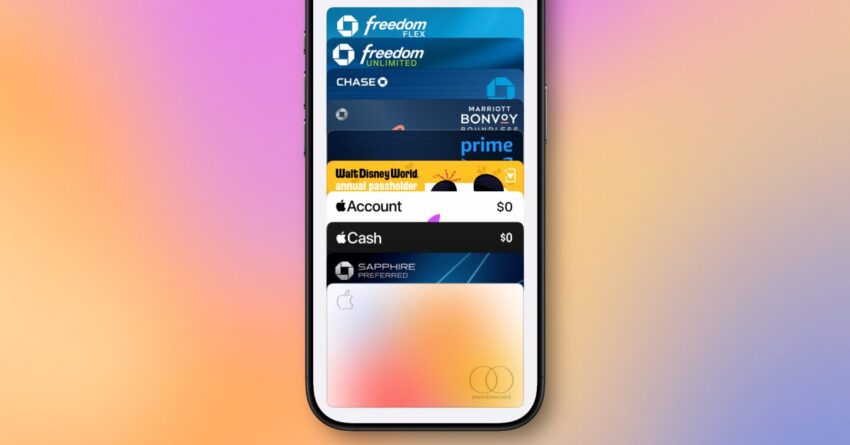
apple reportedly finds apple card partner to Apple has reportedly secured a new partner for its Apple Card, marking a significant shift in its financial services strategy as it moves away from Goldman Sachs.
apple reportedly finds apple card partner to
Background of the Apple Card
Launched in August 2019, the Apple Card was designed to integrate seamlessly with Apple’s ecosystem, providing users with a digital-first banking experience. It was marketed as a revolutionary credit card that prioritized user privacy, simplicity, and rewards. The card offered features such as no annual fees, daily cash back on purchases, and a user-friendly interface through the Wallet app on iPhones. This innovative approach aimed to attract a younger demographic, particularly tech-savvy consumers who value convenience and transparency in financial products.
Goldman Sachs, a prominent investment bank, was chosen as the issuing bank for the Apple Card. The partnership was seen as a strategic move for both companies: Apple sought to expand its financial services portfolio, while Goldman Sachs aimed to enhance its consumer banking presence. However, the collaboration faced challenges from the outset, including customer service issues and technical glitches, which led to mixed reviews from users.
Parting Ways with Goldman Sachs
Reports of a rift between Apple and Goldman Sachs began to surface in late 2021, with various sources indicating that the two companies were reassessing their partnership. By early 2022, it became clear that both parties were exploring alternatives, with Apple reportedly seeking a new banking partner to take over the Apple Card program.
Goldman Sachs had been facing its own challenges in the consumer banking sector, struggling to achieve profitability in its retail banking division. The bank’s foray into consumer finance was part of a broader strategy to diversify its revenue streams, but it encountered difficulties in scaling its operations and managing customer expectations. As a result, the partnership with Apple became increasingly strained, leading to speculation about a potential split.
New Partnership Development
According to a recent report by the Wall Street Journal, Apple has now identified a new partner to replace Goldman Sachs for the Apple Card program. While specific details about the new partner have not been disclosed, the announcement marks a pivotal moment for Apple’s financial services strategy. This development comes more than two years after initial reports suggested that the two companies were parting ways.
The decision to find a new partner reflects Apple’s commitment to enhancing the user experience and addressing the challenges that arose during its collaboration with Goldman Sachs. By seeking a new banking partner, Apple aims to leverage fresh expertise and resources to better serve its customers and expand its financial offerings.
Implications for Apple and Consumers
The transition to a new banking partner could have several implications for both Apple and its customers. For Apple, this move represents an opportunity to refine its financial services strategy and improve customer satisfaction. By partnering with a bank that aligns more closely with its values and operational goals, Apple may be able to streamline processes, enhance customer service, and introduce new features that resonate with users.
For consumers, the change could lead to a more robust and user-friendly Apple Card experience. Depending on the new partner’s capabilities, users might see improvements in areas such as customer support, rewards programs, and integration with other financial services. Additionally, a more efficient banking partner could help Apple address some of the technical issues that plagued the card’s initial rollout.
Stakeholder Reactions
The news of Apple’s new partnership has elicited a range of reactions from stakeholders in the financial services industry. Analysts have expressed optimism about the potential for Apple to enhance its financial offerings, citing the company’s track record of innovation and customer-centric design. Many believe that a new partner could bring fresh ideas and a renewed focus on customer service, which has been a point of contention during the Goldman Sachs partnership.
However, some industry experts caution that the transition may not be without challenges. Establishing a new partnership involves navigating regulatory hurdles, integrating systems, and ensuring a seamless transition for existing Apple Card users. The success of this new collaboration will depend on how effectively Apple manages these complexities while maintaining its commitment to user experience.
Future of Financial Services at Apple
As Apple continues to evolve its financial services strategy, the company is likely to explore additional offerings beyond the Apple Card. With the rise of digital wallets and fintech solutions, Apple has the opportunity to expand its services in areas such as personal loans, savings accounts, and investment products. The integration of these services could further enhance the Apple ecosystem, providing users with a comprehensive suite of financial tools.
Moreover, Apple’s focus on privacy and security positions it well in an increasingly competitive financial landscape. As consumers become more discerning about their financial choices, the demand for secure and transparent banking solutions is expected to grow. Apple’s reputation for prioritizing user privacy could give it a competitive edge as it seeks to attract new customers to its financial services.
Conclusion
The reported transition from Goldman Sachs to a new partner for the Apple Card signifies a strategic shift in Apple’s approach to financial services. As the company seeks to enhance the user experience and address past challenges, the implications for consumers and the broader financial landscape are significant. While the specific details of the new partnership remain under wraps, the potential for improved services and innovative offerings is promising. As Apple continues to navigate the complexities of the financial sector, its commitment to user-centric design and privacy will likely remain at the forefront of its strategy.
Source: Original report
Was this helpful?
Explore more: More Big Tech & Platforms Tech News Blog
Last Modified: January 8, 2026 at 11:46 am
12 views