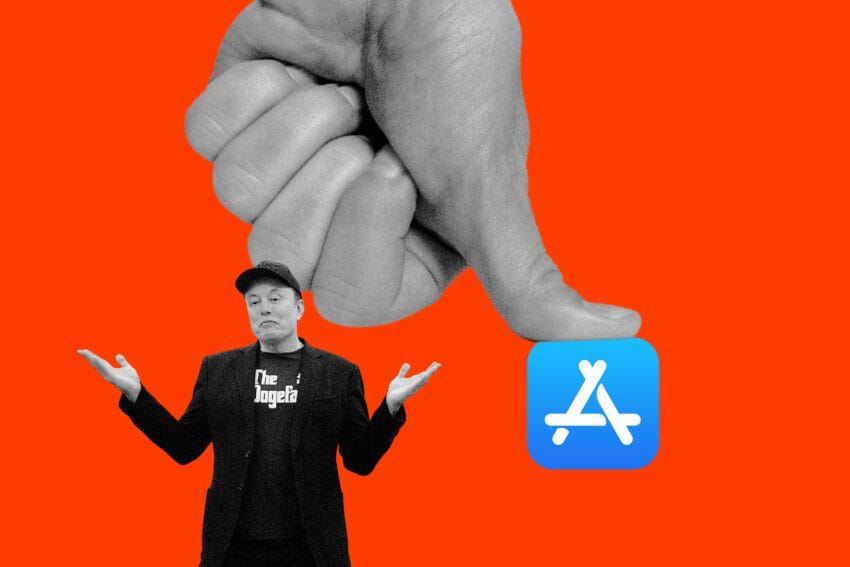
apple asks judge to toss musk s Apple has taken a firm stance against Elon Musk’s allegations regarding its partnership with OpenAI, which integrates ChatGPT into the iPhone, asserting that the claims lack substantial evidence.
apple asks judge to toss musk s
Background of the Lawsuit
In August 2023, Elon Musk’s companies, xAI and X Corp, filed a lawsuit against Apple, alleging that the tech giant was manipulating App Store rankings to disadvantage competing chatbots and applications, particularly those developed by Musk’s companies, such as Grok and X. The lawsuit claims that Apple’s actions have stifled competition within the artificial intelligence (AI) industry, particularly in the rapidly evolving landscape of generative AI technologies.
Musk’s legal team contends that Apple’s partnership with OpenAI, which has resulted in the integration of ChatGPT into the iPhone, creates an unfair advantage that undermines the potential for innovation and competition in the AI sector. The lawsuit highlights concerns that Apple’s actions could lead to a monopolistic environment, where only select AI technologies gain visibility and traction in the marketplace.
Apple’s Response
In response to Musk’s allegations, Apple filed court documents on Tuesday, requesting a federal judge to dismiss the lawsuit. According to the documents reviewed by Bloomberg, Apple’s legal representatives characterized Musk’s claims as “speculation on top of speculation.” They argue that the lawsuit lacks concrete evidence to support the assertion that Musk’s companies have been harmed by Apple’s business practices.
Key Arguments from Apple’s Legal Team
Apple’s lawyers have articulated several key points in their defense:
- Lack of Plausibility: Apple contends that Musk’s companies have failed to provide a plausible basis for their allegations. They argue that the claims made in the lawsuit do not hold up under scrutiny, as there is no substantial evidence linking Apple’s actions to any harm experienced by Musk’s companies.
- Non-Exclusive Partnership: The legal documents emphasize that Apple’s agreement with OpenAI is “expressly not exclusive.” This means that Apple is not restricted from collaborating with other generative AI chatbots, which undermines Musk’s claims of anti-competitive behavior.
- Intent to Collaborate with Other AI Technologies: Apple’s lawyers pointed out that it is “widely known” that the company intends to partner with additional generative AI chatbots in the future. This intention further supports Apple’s position that it is not engaging in anti-competitive practices by favoring OpenAI over other developers.
- Competition Law Considerations: Apple argues that competition law does not require it to partner with every generative AI chatbot available in the market, particularly when the quality of those alternatives may vary. This assertion highlights the complexity of competition in the tech industry, where companies often prioritize partnerships based on strategic alignment and product quality.
Implications for the AI Industry
The outcome of this legal battle could have significant implications for the AI industry as a whole. If Musk’s lawsuit were to succeed, it could set a precedent for how tech companies engage in partnerships and collaborations within the rapidly evolving AI landscape. A ruling in favor of Musk could potentially lead to increased scrutiny of how companies like Apple manage their App Store rankings and partnerships with AI developers.
Conversely, if the court sides with Apple and dismisses the lawsuit, it may reinforce the notion that tech companies have the right to choose their partners without facing legal repercussions, even in a competitive market. This outcome could encourage further innovation and collaboration among tech giants and AI developers, as companies may feel more empowered to pursue strategic partnerships without fear of litigation.
Stakeholder Reactions
The legal dispute has drawn attention from various stakeholders within the tech industry, including investors, developers, and regulatory bodies. Reactions have been mixed, reflecting the complex nature of competition and collaboration in the AI sector.
Industry Experts Weigh In
Industry experts have expressed differing opinions on the implications of the lawsuit:
- Support for Musk: Some analysts argue that Musk’s lawsuit highlights a critical issue in the tech industry—namely, the potential for monopolistic behavior by large companies like Apple. They contend that if dominant players are allowed to favor their partnerships at the expense of competitors, it could stifle innovation and limit consumer choice.
- Support for Apple: Conversely, other experts believe that Apple’s actions are justified given the competitive nature of the market. They argue that companies should have the freedom to choose their partners based on strategic considerations and that the lawsuit may be more about Musk’s desire to compete than about genuine concerns over competition.
Broader Context of AI Competition
The legal battle between Apple and Musk occurs against the backdrop of a rapidly evolving AI landscape. The rise of generative AI technologies has sparked intense competition among tech giants, with companies racing to develop and deploy innovative AI solutions. As AI becomes increasingly integrated into everyday applications, the stakes are high for companies seeking to establish themselves as leaders in the field.
In recent years, the AI industry has seen significant advancements, with technologies like ChatGPT gaining widespread popularity. This has led to a surge in interest from both consumers and investors, prompting companies to invest heavily in AI research and development. As a result, the competition among AI developers has intensified, with firms vying for market share and consumer attention.
Future Outlook
As the lawsuit progresses, the future of AI competition remains uncertain. The legal proceedings will likely unfold over several months, with both parties presenting their arguments in court. The outcome will not only impact Apple and Musk’s companies but could also shape the broader landscape of AI development and competition.
Regardless of the lawsuit’s outcome, it is clear that the AI industry will continue to evolve rapidly. Companies will need to navigate the complexities of competition, collaboration, and regulatory scrutiny as they seek to innovate and deliver cutting-edge AI solutions to consumers.
Conclusion
The legal dispute between Apple and Elon Musk’s companies underscores the challenges and complexities of competition in the AI industry. As both parties prepare to present their cases in court, the implications of this lawsuit will be closely watched by stakeholders across the tech sector. The outcome could have lasting effects on how companies engage in partnerships and navigate the competitive landscape of artificial intelligence.
Source: Original report
Was this helpful?
Explore more: More Big Tech & Platforms Tech News Blog
Last Modified: October 1, 2025 at 4:36 pm
11 views