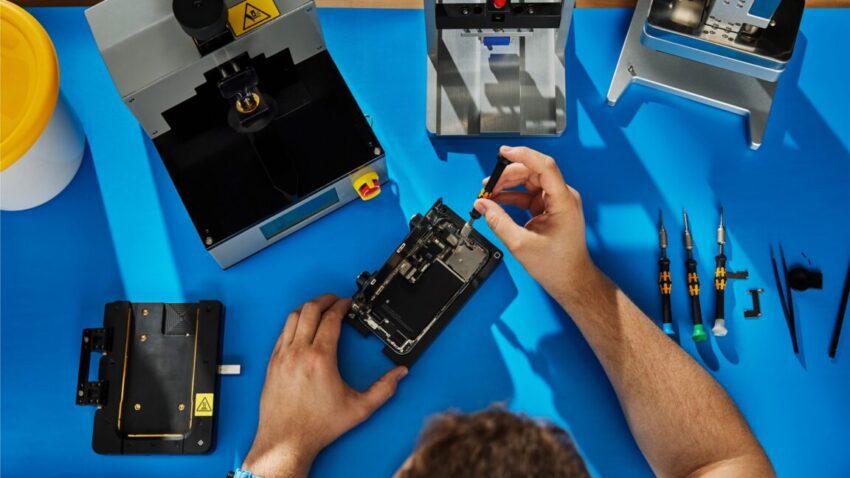
apple and lenovo have the least repairable Apple has received the lowest grades in a recent report on laptop and smartphone repairability released by the Public Interest Research Group (PIRG) Education Fund.
apple and lenovo have the least repairable
Overview of the Report
The report, titled “Failing the Fix (2026): Grading laptop and cell phone companies on the fixability of their products,” evaluates the repairability of the ten newest laptops and smartphones available on manufacturers’ French websites as of January 2026. This analysis is particularly relevant as it highlights the ongoing debate surrounding the right to repair and the accessibility of repair information for consumers.
Key Findings
In this year’s assessment, Apple earned a C-minus for laptop repairability and a D-minus for cell phone repairability. These grades place Apple at the bottom of the list, indicating significant challenges for consumers seeking to repair their devices. The report emphasizes that the ease of disassembly and the availability of repair information are critical factors in determining a device’s repairability score.
Methodology of the Analysis
PIRG’s methodology is rooted in the French repairability index, a grading system that mandates manufacturers to display repairability scores on devices sold in France. This index serves as a benchmark for evaluating how easily a device can be repaired, taking into account several criteria, including:
- Availability of repair manuals and parts
- Ease of disassembly
- Accessibility of tools required for repairs
- Availability of customer support for repairs
While the French index provides a comprehensive framework, PIRG placed greater emphasis on the physical ease of disassembly, arguing that this is what consumers typically associate with a “repair score.” The organization believes that a device should be designed with repairability in mind, allowing consumers to fix their devices without needing specialized tools or expertise.
Apple’s Repairability Challenges
Apple’s low scores in the PIRG report have sparked discussions about the company’s approach to product design and repairability. Critics argue that Apple’s devices are increasingly difficult to repair, often requiring specialized tools and knowledge. This trend has raised concerns about the longevity of Apple products and the environmental impact of electronic waste.
Consumer Expectations
Consumer expectations regarding repairability have evolved over the years. Many users now prioritize devices that can be easily repaired, especially as awareness of environmental sustainability grows. The right-to-repair movement has gained momentum, advocating for policies that would require manufacturers to make repair information and parts accessible to consumers and independent repair shops.
Industry Implications
The implications of PIRG’s findings extend beyond Apple. Other manufacturers, such as Lenovo, also received low grades, indicating a broader trend within the industry. As consumers become more aware of repairability issues, companies may face increasing pressure to improve their designs and practices. The report serves as a call to action for manufacturers to prioritize repairability in their product development processes.
Stakeholder Reactions
The release of the PIRG report has elicited a range of reactions from stakeholders, including consumers, advocacy groups, and industry representatives. Consumer advocacy groups have praised the report for highlighting the importance of repairability, while some industry representatives have defended their companies’ practices.
Consumer Advocacy Groups
Consumer advocacy groups have long championed the right to repair, arguing that consumers should have the ability to fix their devices without being forced to rely on manufacturers. The PIRG report aligns with their mission, providing concrete evidence of the challenges consumers face when attempting to repair their devices. These groups are likely to use the findings to push for legislative changes that would require manufacturers to improve repairability.
Industry Representatives
On the other hand, some industry representatives have defended their companies’ practices, arguing that modern devices are more complex than ever and that repairability must be balanced with other factors, such as performance and design. They contend that the focus on repairability may overlook the advancements in technology that have led to thinner, lighter, and more powerful devices.
Broader Context of Repairability
The issue of repairability is part of a larger conversation about sustainability and environmental responsibility. Electronic waste is a growing concern, with millions of tons of discarded devices ending up in landfills each year. By improving repairability, manufacturers can help extend the lifespan of their products, reducing the environmental impact associated with electronic waste.
Legislative Efforts
In recent years, several countries and regions have introduced legislation aimed at promoting the right to repair. These laws often require manufacturers to provide consumers with access to repair manuals, parts, and tools. The PIRG report may serve as a catalyst for further legislative efforts, as lawmakers seek to address the growing concerns about repairability and electronic waste.
Consumer Education
Consumer education is also a vital component of the repairability conversation. Many consumers are unaware of their rights when it comes to repairing their devices. Advocacy groups and organizations like PIRG are working to raise awareness about the importance of repairability and the options available to consumers. By empowering consumers with knowledge, these organizations hope to encourage more individuals to demand better repairability from manufacturers.
Future Outlook
The future of repairability in the tech industry remains uncertain, but the PIRG report highlights the need for change. As consumers become more informed and vocal about their preferences, manufacturers may be compelled to adapt their practices. The ongoing dialogue surrounding repairability will likely influence product design, corporate policies, and consumer expectations in the coming years.
Potential for Improvement
While Apple and Lenovo currently face criticism for their low repairability scores, there is potential for improvement. Companies that prioritize repairability may find themselves at a competitive advantage as consumers increasingly seek out devices that are easier to repair. By investing in design changes and improving access to repair information, manufacturers can not only enhance their reputation but also contribute to a more sustainable future.
Conclusion
The PIRG report serves as a crucial reminder of the importance of repairability in the tech industry. As Apple and Lenovo grapple with their low scores, the broader implications for the industry and consumers are clear. The right to repair movement continues to gain traction, and the demand for more repairable devices is likely to shape the future of technology. Manufacturers must take heed of these findings and consider how they can improve their practices to meet consumer expectations and contribute to a more sustainable world.
Source: Original report
Was this helpful?
Explore more: More Consumer Technology Tech News Blog
Last Modified: April 8, 2026 at 8:37 am
25 views