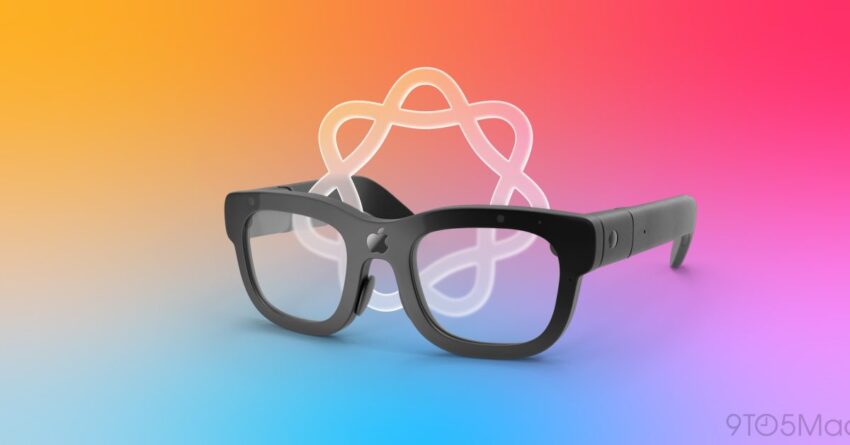
Apple’s plan to enter the smart glasses market has slipped again, with Bloomberg reporting that the company now aims to launch its AI glasses by the end of 2027 rather than earlier timelines that pointed to late 2026 or early 2027. The delay comes as Apple continues work on a lighter, cheaper successor to Vision Pro, now said to be targeted for late 2028 or 2029.
Apple’s smart glasses timeline moves back
According to Bloomberg’s Mark Gurman, Apple had initially planned to introduce its smart glasses, code-named N50, at the end of 2026 and begin shipping them by early 2027. That schedule has apparently shifted, and the company is now working toward a launch at the end of next year. The glasses are expected to be part of Apple’s broader push into AI-powered wearables and a hardware platform for Apple Intelligence.
The product is being developed in the same market space as Meta Ray-Bans, but Apple’s approach appears to be more tightly tied to its own software ecosystem. The glasses are also meant to support Siri and Visual Intelligence, two pieces of Apple’s AI strategy that the company reportedly wants to mature before releasing the device.
Why Apple is waiting
Bloomberg’s report suggests the main issue is not the eyewear itself, but the state of Apple’s visual AI technology. While Siri is still said to be on track to debut before the end of this year, Apple reportedly does not want to bring a product to market unless its visual intelligence features are ready to meet expectations.
That caution fits Apple’s usual pattern with major new categories: it tends to delay launches rather than ship a product it considers unfinished or underwhelming. In this case, the company appears to be prioritizing the software experience that will power the glasses, rather than rushing the hardware out first.
What the first Apple glasses may offer
The first version of the glasses is expected to emphasize style as much as technology. Bloomberg says Apple is planning design elements intended to help the product stand out, including oval-shaped cameras, unique colors and multiple frame styles. The idea is to make the device feel more like a consumer accessory than a niche piece of tech.
Apple’s longer-term ambition is more expansive. The company reportedly sees the glasses as a product that could evolve into a health device and, eventually, incorporate augmented reality capabilities that improve how people see. In other words, the first release would likely be only the start of a much bigger product line.
A big market Apple wants to reach
Apple appears to believe eyewear could become a major category for its hardware business. The report says the company sees a potential opportunity to reach billions of people who already wear prescription glasses, use sunglasses casually or treat glasses as a fashion accessory.
That helps explain why Apple is taking extra time. If the company can make smart glasses feel natural, useful and appealing, the market could be far broader than current mixed-reality headsets. But that also raises the stakes: Apple will need to deliver something that feels practical enough for everyday wear while still offering enough intelligence to justify the product’s existence.
Vision Air may come much later
Alongside the smart glasses delay, Bloomberg says Apple is also working again on a slimmer and lighter headset to follow the $3,499 Vision Pro, reportedly called Vision Air. Mark Gurman does not expect that device to arrive before late 2028 or 2029.
That is later than some earlier reports suggested, which had indicated Vision Air development had been deprioritized in favor of the glasses project. The new update implies Apple is still investing in the category, even if the timeline remains distant.
Apple’s headset category may stay quiet for a while
Gurman describes the headset category as being “on ice until then,” which suggests Apple is not likely to introduce a major new headset before Vision Air arrives. In practical terms, that means the current-generation Vision Pro, including any updated M5 version, may remain Apple’s main mixed-reality hardware for the next few years.
The long gap also reflects the challenge Apple faces in the high-end headset market. Vision Pro has struggled to become a mass-market success, and the company reportedly needs to address both design and pricing if Vision Air is going to broaden the appeal. A lighter device alone may not be enough; Apple will also need to avoid repeating the same cost barriers that limited the original model’s reach.
What this means for Apple’s wearables strategy
The latest timeline shift suggests Apple’s wearable roadmap is becoming more layered: AI glasses first, followed by a new headset later. That sequencing makes sense if Apple wants a consumer-facing product that can introduce its AI ambitions in a more familiar form factor before it attempts another premium spatial-computing push.
It also highlights how dependent the company’s next hardware wave is on software readiness. If Siri and visual intelligence are not strong enough, Apple risks launching glasses that look promising but feel incomplete. By pushing the release to late 2027, Apple may be buying time to ensure the glasses arrive with a clearer reason to exist.
For now, the picture is straightforward: Apple’s smart glasses are still happening, but not as soon as previously expected, and Vision Air appears to be a much longer-term bet.
Source: Original report
Was this helpful?
Explore more: More Hardware & Devices Tech News Blog
Last Modified: July 7, 2026 at 9:20 pm
7 views