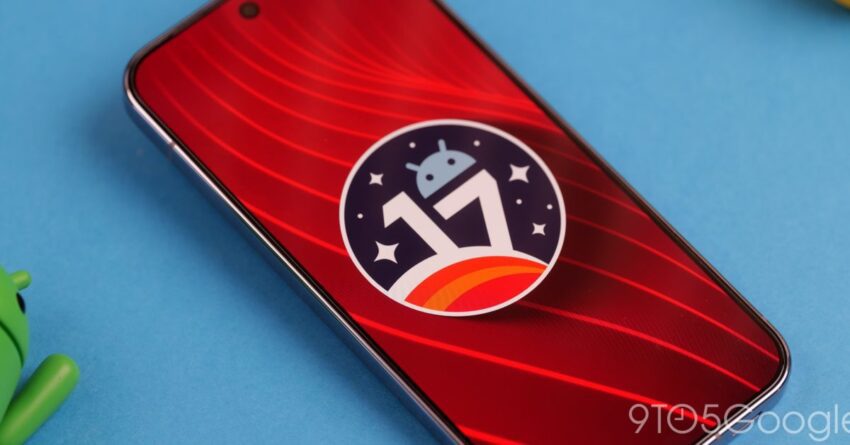
app handoff coming to android 17 for Google has announced an innovative feature called “Handoff” as part of the upcoming Android 17 release, aimed at enhancing cross-device continuity.
app handoff coming to android 17 for
Understanding Handoff in Android 17
The Handoff feature is designed to facilitate seamless transitions between devices, allowing users to start a task on one device and continue it on another without interruption. This functionality is particularly relevant in today’s multi-device ecosystem, where users frequently switch between smartphones, tablets, and laptops. The introduction of Handoff signifies Google’s commitment to improving user experience by minimizing friction in task management across devices.
How Handoff Works
Handoff operates by leveraging cloud technology and device synchronization. When a user begins an activity on one device, such as drafting an email or editing a document, Handoff will allow them to pick up right where they left off on another device. This is achieved through a combination of background syncing and real-time updates, ensuring that the user’s progress is saved and accessible across platforms.
For instance, if a user starts writing a message on their Android smartphone, they can easily switch to their Android tablet or Chromebook and find the message ready for continuation. This eliminates the need for manual transfers or the hassle of searching for the last saved version of a document.
Integration with Google Services
Handoff is expected to integrate seamlessly with various Google services, including Gmail, Google Docs, and Google Drive. By utilizing existing cloud infrastructure, Google aims to provide a cohesive experience across its suite of applications. Users can expect to see notifications on their devices prompting them to continue tasks, making the transition even smoother.
Implications for Users
The introduction of Handoff is poised to significantly enhance productivity for users who rely on multiple devices. In a world where remote work and hybrid models are becoming the norm, the ability to switch devices effortlessly can lead to improved workflow and efficiency. Here are some potential implications for users:
- Increased Productivity: Users can save time by not having to manually transfer files or information between devices.
- Enhanced Flexibility: The feature allows users to work from anywhere, whether at home, in the office, or on the go.
- Improved User Experience: A more integrated approach to device usage can lead to a more satisfying user experience.
Stakeholder Reactions
The announcement of Handoff has garnered attention from various stakeholders, including tech analysts, developers, and users. Many are optimistic about the potential of this feature, viewing it as a natural evolution of cross-device functionality.
Tech Analysts’ Perspectives
Tech analysts have pointed out that Handoff aligns with broader trends in the technology industry, where interoperability between devices is increasingly prioritized. Analysts believe that this feature could set a new standard for cross-device functionality, pushing competitors to enhance their offerings in this area.
Developer Community Insights
Developers are particularly interested in how Handoff will be implemented within their applications. The feature opens up new possibilities for app development, as developers can create applications that take full advantage of cross-device capabilities. This could lead to a surge in innovative applications designed specifically for seamless transitions between devices.
User Feedback
Initial user feedback has been largely positive, with many expressing excitement about the potential convenience Handoff offers. Users have long sought solutions to the challenges of managing tasks across multiple devices, and Handoff appears to address these concerns effectively. However, some users have raised questions about privacy and data security, particularly regarding how their information will be synchronized across devices.
Technical Considerations
From a technical standpoint, the implementation of Handoff will require robust infrastructure to ensure reliable performance. Google will need to address several key considerations to make this feature successful:
- Data Synchronization: Ensuring that data is synchronized in real-time across devices is crucial for a seamless experience.
- Network Reliability: Handoff will depend on stable internet connections to function effectively, which could be a limitation in areas with poor connectivity.
- Privacy and Security: Users must feel confident that their data is secure during the transfer process, necessitating strong encryption and security protocols.
Comparative Analysis with Competitors
Handoff is not the only feature of its kind in the market. Competitors like Apple have long offered similar functionalities through their Continuity feature, which allows users to switch between iPhone, iPad, and Mac seamlessly. Microsoft also provides cross-device functionality through its Windows ecosystem.
Google’s Handoff aims to compete by offering a more integrated experience within the Android ecosystem. The success of this feature will depend on how well it can differentiate itself from existing solutions and provide unique value to users.
Potential Challenges
While the prospects for Handoff are promising, several challenges could impact its adoption and effectiveness:
- User Adoption: Users may be hesitant to adopt new features if they are not intuitive or if they require significant changes to existing workflows.
- Compatibility Issues: Ensuring that Handoff works seamlessly across a wide range of devices and operating systems will be a significant challenge.
- Performance Concerns: Users expect quick and reliable performance; any lag or delay could lead to frustration and diminish the feature’s appeal.
Future Developments and Expectations
As Google continues to refine Handoff, users can expect ongoing updates and enhancements. The company has a history of iterating on its features based on user feedback, and Handoff is likely to evolve in response to real-world usage and needs.
Moreover, the integration of artificial intelligence and machine learning could further enhance the functionality of Handoff. For instance, predictive algorithms could suggest the most relevant tasks to continue based on user behavior, making the experience even more intuitive.
Conclusion
The introduction of Handoff in Android 17 marks a significant step forward in cross-device continuity. By enabling users to transition seamlessly between devices, Google is addressing a critical need in today’s interconnected world. As the feature rolls out, it will be essential to monitor its adoption, user feedback, and any challenges that arise. The success of Handoff could pave the way for further innovations in device interoperability, ultimately enhancing the user experience across the Android ecosystem.
Source: Original report
Was this helpful?
Last Modified: February 14, 2026 at 12:43 pm
7 views