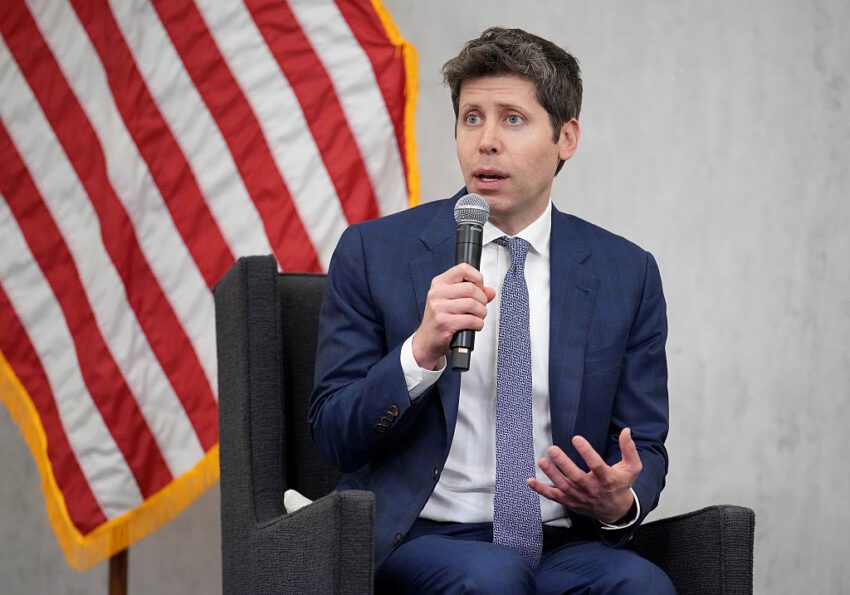
anthropic and openai ceos condemn ice violence In a significant response to recent events, the CEOs of Anthropic and OpenAI have publicly condemned the violent tactics employed by U.S. Immigration and Customs Enforcement (ICE) while simultaneously expressing support for former President Donald Trump.
anthropic and openai ceos condemn ice violence
Background on Recent ICE Actions
The controversy surrounding ICE has intensified following a series of violent incidents in Minneapolis. These events have sparked widespread outrage and calls for reform within the agency, which has been criticized for its aggressive enforcement tactics. The Minneapolis violence, which involved confrontations between ICE agents and local communities, has raised questions about the agency’s methods and their implications for public safety and civil rights.
ICE has faced scrutiny for its operations, particularly in urban areas where tensions between law enforcement and immigrant communities are already high. Critics argue that the agency’s approach exacerbates fear among undocumented immigrants, leading to a chilling effect on community cooperation with law enforcement. This situation has prompted various stakeholders, including tech leaders, to voice their concerns about the implications of such enforcement tactics.
Statements from Dario Amodei and Sam Altman
Dario Amodei, CEO of Anthropic, took to social media to address the issue directly. In a public statement, he condemned the violence associated with ICE’s enforcement actions. Amodei emphasized the need for humane treatment of individuals, regardless of their immigration status, and called for a reevaluation of the agency’s tactics. His remarks resonated with many who advocate for immigrant rights and seek to hold law enforcement accountable for their actions.
Conversely, Sam Altman, CEO of OpenAI, opted for a more private approach. He communicated his concerns in an internal message to employees, expressing dismay over the violent tactics employed by ICE. Altman highlighted the importance of ethical considerations in technology and society, urging his team to reflect on the broader implications of such actions. His internal message underscored the responsibility that tech leaders have in shaping public discourse and influencing policy decisions.
Support for Trump Amidst Condemnation
Interestingly, both CEOs also expressed support for former President Trump, a figure often associated with controversial immigration policies. This duality in their statements has sparked debate among observers and stakeholders. While condemning ICE’s violent tactics, their acknowledgment of Trump raises questions about the complexities of political alignment in the tech industry.
Trump’s administration was marked by stringent immigration policies and a focus on border security, which many argue contributed to the aggressive enforcement tactics seen today. By praising Trump, Amodei and Altman seem to navigate a delicate balance between supporting certain policies while opposing the methods used to enforce them. This nuanced stance has drawn both criticism and support from various factions within the tech community and beyond.
Implications for the Tech Industry
The statements from Amodei and Altman highlight a growing trend among tech leaders to engage with social and political issues. As influential figures in the technology sector, their voices carry weight and can shape public opinion. The tech industry has increasingly found itself at the intersection of technology and social justice, prompting leaders to take stances on issues that extend beyond their core business operations.
In recent years, there has been a notable shift in how tech companies approach social responsibility. Many organizations are now prioritizing ethical considerations in their business models, recognizing that their products and services can have far-reaching implications. This shift is particularly relevant in discussions surrounding immigration, surveillance, and law enforcement, where technology plays a pivotal role.
Stakeholder Reactions
The responses to Amodei and Altman’s statements have been mixed. Advocates for immigrant rights have praised their condemnation of ICE’s violence, viewing it as a step in the right direction. Many believe that tech leaders have a moral obligation to speak out against injustices, especially when their technologies can be used to facilitate or exacerbate such issues.
On the other hand, some critics argue that their support for Trump undermines the credibility of their condemnation. They contend that praising a figure associated with harsh immigration policies raises questions about the sincerity of their statements. This dichotomy has led to a broader conversation about the role of tech leaders in political discourse and the potential consequences of their public positions.
Broader Context of Immigration Policy
The debate surrounding ICE’s tactics and immigration policy is not new. The agency has long been a focal point of contention in discussions about immigration reform in the United States. Critics argue that its methods are often disproportionate and can lead to unnecessary violence and trauma within communities. The recent incidents in Minneapolis have only served to amplify these concerns, prompting calls for comprehensive reform.
Immigration policy in the U.S. has historically been a contentious issue, with various administrations adopting differing approaches. The current climate reflects a growing divide between those advocating for stricter enforcement and those pushing for more humane treatment of immigrants. This divide is often mirrored in the tech industry, where leaders must navigate complex political landscapes while maintaining their companies’ reputations and values.
Future of Tech and Social Responsibility
The intersection of technology and social responsibility is likely to become even more pronounced in the coming years. As tech companies continue to expand their influence, their leaders will face increasing pressure to address social issues, including immigration, civil rights, and ethical considerations in AI development. The actions and statements of figures like Amodei and Altman may set a precedent for how tech leaders engage with these critical issues moving forward.
Moreover, the evolving landscape of public opinion will play a significant role in shaping the responses of tech leaders. As communities demand accountability and ethical practices, it is imperative for industry leaders to consider the implications of their actions and statements. The recent condemnation of ICE’s violence, coupled with support for Trump, illustrates the complexities that arise when navigating these multifaceted issues.
Conclusion
The recent statements from Anthropic’s Dario Amodei and OpenAI’s Sam Altman regarding ICE’s violent tactics reflect a growing awareness among tech leaders of their role in societal issues. While their condemnation of violence is commendable, their simultaneous praise for former President Trump raises questions about the consistency of their positions. As the tech industry continues to grapple with its influence on social and political matters, the actions of these leaders may serve as a bellwether for future engagement in critical discussions surrounding immigration and human rights.
Source: Original report
Was this helpful?
Last Modified: January 28, 2026 at 1:57 am
0 views