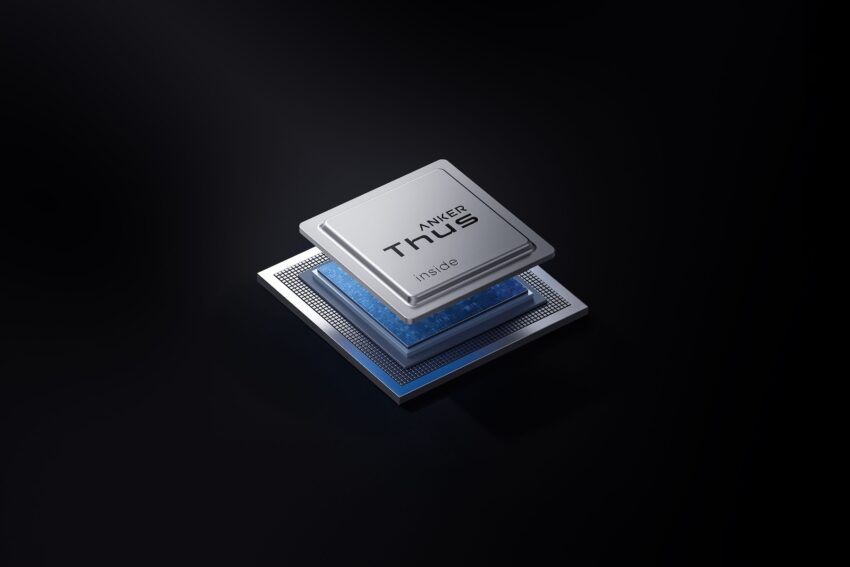
anker made its own chip to bring Anker has announced its own custom silicon that the company says will bring local AI to audio devices, mobile accessories, and IoT devices.
anker made its own chip to bring
Introduction to Anker’s Thus Processor
Anker, a well-known player in the consumer electronics market, has made a significant leap by introducing its own custom chip, named the Thus processor. This innovative chip is designed to integrate artificial intelligence (AI) capabilities into a range of products, including audio devices, mobile accessories, and Internet of Things (IoT) devices. The announcement marks a pivotal moment for Anker, as it seeks to enhance user experiences through advanced technology.
What Makes Thus Unique?
The Thus processor is touted as the world’s first neural-net compute-in-memory AI audio chip. This designation highlights its unique architecture, which allows for more efficient processing of AI tasks compared to traditional chips. Traditional AI chips typically separate the storage of models and the computation process, which can lead to inefficiencies. Anker’s CEO, Steven Yang, elaborated on this distinction, stating, “Every AI chip built until now stores the model on one side and does the computation on the other. To think, the device has to carry all those parameters across, many times per second, every single inference.” This separation can slow down performance and increase power consumption, particularly in smaller devices.
Power Efficiency and Size
One of the standout features of the Thus processor is its compact size and low power requirements. Traditional chips often consume significant amounts of energy, making them less suitable for smaller, battery-operated devices. In contrast, the Thus processor is designed to operate efficiently, which is crucial for devices that rely on battery power. This efficiency not only extends battery life but also reduces heat generation, a common issue with high-performance chips.
Applications of the Thus Processor
The potential applications for the Thus processor are vast, spanning various categories of consumer electronics. Anker aims to leverage this technology to enhance the functionality of its existing product lines while also exploring new opportunities in the market.
Audio Devices
In the realm of audio devices, the Thus processor can significantly improve sound quality and user interaction. For instance, it can enable advanced features such as voice recognition, noise cancellation, and personalized sound profiles. By processing AI tasks locally, devices can respond more quickly to user commands, providing a seamless experience. This is particularly relevant in the age of smart speakers and wireless earbuds, where user expectations for performance and functionality are continually rising.
Mobile Accessories
Mobile accessories, such as chargers and power banks, can also benefit from the integration of the Thus processor. Anker’s commitment to enhancing user experience extends to ensuring that these accessories are not only functional but also intelligent. For example, smart charging capabilities could be implemented, allowing devices to communicate with each other to optimize charging speeds and efficiency. This could lead to faster charging times and improved battery health for smartphones and other devices.
IoT Devices
The Internet of Things (IoT) is another area where the Thus processor can make a significant impact. As more devices become interconnected, the need for efficient processing capabilities becomes paramount. The Thus processor can enable smarter home devices, such as security cameras, smart thermostats, and home automation systems, to analyze data locally. This local processing reduces latency and enhances privacy, as sensitive data does not need to be transmitted to the cloud for analysis.
Implications for the Market
Anker’s introduction of the Thus processor could have far-reaching implications for the consumer electronics market. As companies increasingly look to integrate AI into their products, the demand for efficient, powerful chips will continue to grow. Anker’s move to develop its own silicon positions it as a competitor to established chip manufacturers, potentially reshaping the landscape of the industry.
Competitive Landscape
The semiconductor industry is highly competitive, with major players like Qualcomm, NVIDIA, and Intel dominating the market. By developing its own chip, Anker is not only investing in its technology but also signaling to the industry that it is serious about innovation. This could prompt other companies to follow suit, leading to a wave of custom chip development across the consumer electronics sector.
Consumer Expectations
As consumers become more accustomed to AI-driven features in their devices, expectations will continue to rise. The Thus processor is designed to meet these expectations by delivering enhanced performance and functionality. Anker’s ability to provide cutting-edge technology in its products could strengthen its brand loyalty and attract new customers who are looking for innovative solutions.
Stakeholder Reactions
The announcement of the Thus processor has garnered attention from various stakeholders in the tech industry. Analysts and industry experts are keenly observing how this development will influence Anker’s product offerings and overall market position.
Industry Analysts
Industry analysts have praised Anker’s initiative to develop its own chip, recognizing it as a strategic move that could enhance the company’s competitive edge. Many believe that this step will allow Anker to differentiate itself from competitors who rely on third-party chips. Analysts also note that the focus on local AI processing aligns with broader trends in the tech industry, where privacy and efficiency are becoming increasingly important.
Consumer Feedback
Consumer feedback will be crucial in determining the success of the Thus processor. Early adopters of Anker’s products featuring this chip will likely share their experiences, influencing public perception. If the Thus processor delivers on its promises of improved performance and efficiency, it could lead to positive reviews and increased sales.
Future Prospects
Looking ahead, the introduction of the Thus processor opens up numerous possibilities for Anker and its product lines. The company has already established a reputation for delivering high-quality consumer electronics, and the addition of custom silicon could further solidify its standing in the market.
Potential Collaborations
As Anker continues to develop its AI capabilities, potential collaborations with other tech companies could arise. Partnerships with software developers, for instance, could lead to the creation of innovative applications that leverage the power of the Thus processor. Such collaborations could enhance the functionality of Anker’s products and expand its reach in the market.
Long-Term Vision
Anker’s long-term vision appears to be centered around creating a seamless ecosystem of interconnected devices powered by its custom silicon. By focusing on local AI processing, Anker aims to provide users with a more responsive and intelligent experience across its product range. This vision aligns with the growing trend towards smart home technology and interconnected devices, positioning Anker as a forward-thinking player in the industry.
Conclusion
In summary, Anker’s announcement of the Thus processor marks a significant milestone in the company’s journey toward integrating AI into its product offerings. By developing its own custom silicon, Anker is poised to enhance the performance and functionality of its audio devices, mobile accessories, and IoT products. The implications of this development extend beyond Anker itself, potentially reshaping the competitive landscape of the consumer electronics market. As the demand for AI-driven features continues to grow, Anker’s commitment to innovation could set the stage for a new era of intelligent devices.
Source: Original report
Was this helpful?
Explore more: More Hardware & Devices Tech News Blog
Last Modified: April 22, 2026 at 2:35 pm
21 views