android find hub trackers continue to ignore Despite the growing popularity of smart tracking devices, most Android Find Hub trackers still lack the advanced capabilities offered by Ultra-Wideband (UWB) technology, which is a significant drawback compared to competitors like Apple’s AirTag.
android find hub trackers continue to ignore
Understanding UWB Technology
Ultra-Wideband (UWB) is a wireless communication technology that operates over a wide frequency range, allowing for precise location tracking. Unlike traditional Bluetooth, which can only provide approximate distances based on signal strength, UWB can determine the exact location of a device within a few centimeters. This precision is particularly useful in crowded environments where multiple devices may be present, as UWB can differentiate between them more effectively.
The technology has been around for some time but has recently gained traction in consumer electronics, especially in smart tracking devices. UWB’s ability to provide accurate location data has made it a key selling point for products like the Apple AirTag, which utilizes this technology to offer its “Precision Finding” feature. This feature allows users to see the exact distance and direction to their lost items, enhancing the user experience significantly.
The Current Landscape of Android Find Hub Trackers
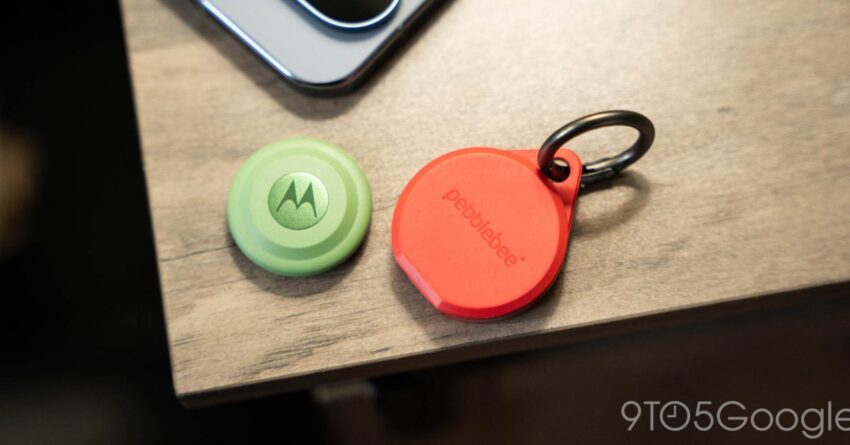
Android Find Hub is Google’s platform for tracking devices, similar to Apple’s Find My network. However, the majority of trackers compatible with this platform still rely on Bluetooth technology. While Bluetooth is effective for basic tracking, it falls short in terms of accuracy and range compared to UWB.
Several manufacturers have developed Android-compatible tracking devices, but many of these products do not incorporate UWB technology. This omission can be attributed to several factors, including cost, market demand, and the complexity of integrating UWB into existing hardware.
Cost Considerations
One of the primary reasons many Android Find Hub trackers do not utilize UWB is cost. UWB technology requires specialized hardware, which can increase the overall production costs of tracking devices. Manufacturers often prioritize affordability to appeal to a broader audience, leading them to opt for Bluetooth-only solutions. This decision can limit the functionality of their products, but it may also make them more competitive in a price-sensitive market.
Market Demand and Consumer Awareness
Another factor influencing the adoption of UWB in Android Find Hub trackers is market demand. While UWB offers significant advantages, many consumers may not be aware of these benefits. The average user might prioritize price and basic functionality over advanced features like Precision Finding. As a result, manufacturers may be hesitant to invest in UWB technology if they believe that consumers are not willing to pay a premium for it.
Technical Challenges
Integrating UWB technology into existing devices also presents technical challenges. UWB requires a more complex design and additional components compared to Bluetooth. This complexity can lead to longer development times and potential compatibility issues with other technologies. For manufacturers that already have established Bluetooth-based products, transitioning to UWB may not be a straightforward process.
Implications of UWB Absence in Android Trackers
The absence of UWB technology in most Android Find Hub trackers has several implications for users and the market as a whole. While Bluetooth-based trackers can still help users locate their belongings, they lack the precision and reliability that UWB offers.
User Experience
For users, the lack of UWB means that they cannot take full advantage of the advanced tracking features available on competing devices like the AirTag. This limitation can lead to frustration, especially in situations where precise location data is crucial. For example, finding a lost item in a crowded space or a large home can be significantly more challenging without the directional guidance provided by UWB.
Competitive Disadvantage
From a market perspective, the absence of UWB technology can place Android Find Hub trackers at a competitive disadvantage. As consumers become more aware of the benefits of UWB, they may gravitate toward products that offer these features, such as the AirTag. This shift could lead to a decline in sales for Android-compatible trackers, prompting manufacturers to reconsider their strategies.
Potential for Future Development
Despite the current limitations, there is potential for future development in the Android tracking space. As UWB technology becomes more mainstream and costs decrease, manufacturers may begin to adopt it in their products. Additionally, as consumer awareness grows, the demand for advanced tracking features may encourage more companies to invest in UWB technology.
Stakeholder Reactions
The reactions from stakeholders in the tech industry regarding the absence of UWB in Android Find Hub trackers have been mixed. Some manufacturers express a desire to incorporate UWB into their products but cite cost and technical challenges as significant barriers. Others believe that the current Bluetooth-based solutions are sufficient for most users and that there is no immediate need to transition to UWB.
Manufacturers’ Perspectives
Manufacturers that produce Android-compatible trackers often emphasize the importance of affordability and accessibility. They argue that while UWB offers advantages, the majority of consumers prioritize cost over precision. This perspective can lead to a reluctance to invest in UWB technology, especially for budget-friendly products.
Consumer Feedback
Consumer feedback has also played a role in shaping the market. Many users appreciate the functionality of existing Bluetooth trackers but express a desire for more advanced features. As consumers become more familiar with UWB through products like the AirTag, they may begin to demand similar capabilities in Android-compatible devices.
The Future of Tracking Technology
The future of tracking technology is likely to be shaped by the ongoing developments in UWB and other emerging technologies. As the market evolves, manufacturers will need to adapt to changing consumer preferences and technological advancements. The integration of UWB into Android Find Hub trackers could enhance user experiences and provide a competitive edge in the tracking device market.
Emerging Technologies
In addition to UWB, other emerging technologies may also influence the future of tracking devices. For instance, advancements in artificial intelligence and machine learning could enhance the capabilities of tracking systems, allowing for smarter, more intuitive devices. These technologies could work in conjunction with UWB to provide even more precise and reliable tracking solutions.
Consumer Education
As the market for tracking devices continues to grow, consumer education will be crucial. Manufacturers and industry stakeholders must work to inform consumers about the benefits of UWB and other advanced technologies. By raising awareness, they can help consumers make informed decisions and drive demand for more sophisticated tracking solutions.
Conclusion
The absence of UWB technology in most Android Find Hub trackers presents both challenges and opportunities for manufacturers and consumers alike. While cost and market demand have limited the adoption of UWB, the potential for future development remains strong. As consumer awareness grows and technology advances, it is likely that we will see a shift toward more precise and reliable tracking solutions in the Android ecosystem.
Source: Original report
Was this helpful?
Explore more: More Hardware & Devices Tech News Blog
Last Modified: February 16, 2026 at 3:40 am
28 views