android 16 s latest update ushers in The latest update for Android 16 has arrived, marking the official end to Google’s annual release schedule.
android 16 s latest update ushers in
Overview of Android 16 QPR2 Update
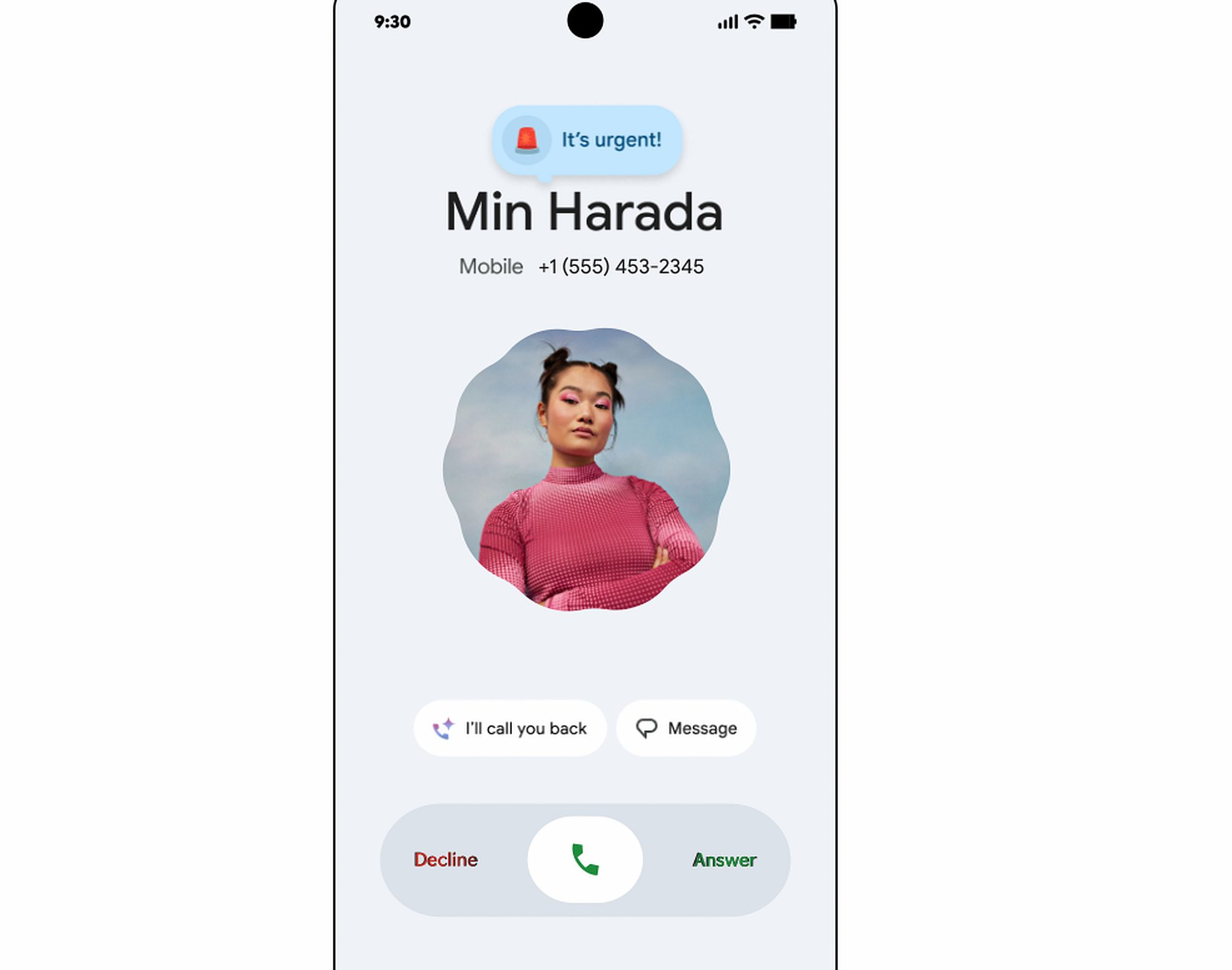
The Android 16 QPR2 update represents a significant shift in Google’s approach to operating system updates. Released after the major Android 16 launch in June, this update is categorized as a minor release but introduces several enhancements that improve user experience. Key areas of focus include notifications, icons, and calling screens, among other features. This update not only enhances the functionality of the operating system but also sets the stage for a more dynamic update cycle moving forward.
Transition to a More Frequent Release Schedule
Historically, Google has adhered to an annual release schedule for its Android operating system, which often left users of third-party Android devices waiting for extended periods to receive updates. This delay was particularly frustrating for users who were eager to access new features and improvements that were already available on Google’s Pixel devices. The introduction of the Android 16 QPR2 update signals the start of a new era in which Google aims to release updates more frequently, thus addressing these frustrations.
Announcement of the New Schedule
In October 2024, Google announced its intention to adopt a more accelerated release timeline. The company stated that this change would facilitate faster innovation in apps and devices, ultimately benefiting both developers and users. By moving away from the traditional annual update model, Google aims to create a more responsive ecosystem that can adapt to the rapidly changing technological landscape.
Implications for Developers and Users
The implications of this shift are significant for both developers and users. For developers, the new biannual SDK releases will provide more opportunities to integrate the latest features into their applications. This is particularly important in a competitive market where staying ahead of trends can make a substantial difference in user engagement and satisfaction. By having access to updates more frequently, developers can ensure that their apps remain relevant and functional across a wider range of devices.
For users, the benefits are equally compelling. With a more frequent update schedule, users of third-party Android devices can expect to receive new features and security updates in a more timely manner. This not only enhances the overall user experience but also contributes to improved device security, as users will have access to the latest patches and fixes without having to wait for long periods.
Structure of the New Update Cycle
The new update cycle will consist of several key components designed to streamline the release process. These include:
- Biannual SDK Releases: Google will introduce small updates twice a year, allowing developers to access new features and improvements more frequently.
- Major Releases in Q2: Major Android releases will now be launched in the second quarter of the year, rather than the third. This change allows for a more timely rollout of new features.
- Quarterly Feature Updates: In addition to the biannual SDK releases, Google will continue to provide quarterly feature updates, ensuring that users receive regular enhancements to their devices.
Benefits of the New Structure
This new structure is designed to benefit both developers and manufacturers. By providing developers with more time to prepare their applications for the latest version of Android, Google is fostering an environment where innovation can thrive. Additionally, manufacturers will have the opportunity to launch new devices that are compatible with the latest features, thereby enhancing the overall Android ecosystem.
Impact on Third-Party Device Manufacturers
One of the most significant impacts of this new update schedule is on third-party device manufacturers. Historically, these manufacturers have faced challenges in keeping their devices updated in a timely manner. With the new accelerated release timeline, manufacturers will have more time to adapt their devices to the latest Android updates. This could lead to a more uniform experience across different devices, as users will have access to similar features regardless of the brand they choose.
Moreover, this change could encourage manufacturers to invest more in their Android devices, knowing that they will be able to offer the latest features to their customers without long delays. This could lead to a more competitive market, where manufacturers are incentivized to innovate and improve their offerings.
Google Pixel Devices: The First to Receive Updates
Despite the changes in the update schedule, Google’s Pixel devices will continue to be the first to receive updates. This has been a longstanding advantage for Pixel users, who benefit from immediate access to the latest features and security patches. However, with the new release schedule, other Android devices are expected to follow suit more quickly than before.
Enhancing User Experience Across Devices
The goal of this new approach is to enhance the user experience across all Android devices. By ensuring that more devices receive timely updates, Google is working to create a more cohesive ecosystem. This is particularly important in an age where users expect their devices to be up-to-date with the latest features and security measures.
As more devices become compatible with new features, developers will have greater incentive to utilize these features in their applications. This could lead to a richer app ecosystem, where users can take full advantage of the capabilities offered by the latest Android updates.
Stakeholder Reactions
The announcement of the new update schedule has garnered mixed reactions from various stakeholders in the tech industry. Developers have generally welcomed the change, as it provides them with more opportunities to innovate and improve their applications. Many have expressed optimism that the new schedule will lead to a more vibrant app ecosystem.
Manufacturers, on the other hand, have expressed cautious optimism. While the new schedule offers the potential for improved update timelines, manufacturers will need to invest in their processes to ensure that they can keep pace with Google’s accelerated timeline. This may require additional resources and planning on their part.
User Sentiment
For users, the response has been largely positive. Many users have expressed relief at the prospect of receiving updates more frequently, as this addresses a long-standing frustration with the Android ecosystem. The promise of timely security updates and new features has been met with enthusiasm, particularly among users of third-party devices who have historically faced delays.
Conclusion
The Android 16 QPR2 update marks a pivotal moment in Google’s approach to operating system updates. By moving to a more frequent release schedule, Google aims to enhance the user experience, foster innovation among developers, and create a more cohesive ecosystem across all Android devices. As the tech landscape continues to evolve, this shift could prove to be a significant step forward for both Google and the broader Android community.
Source: Original report
Was this helpful?
Explore more: Mobile App Development More Mobile Technology Tech News
Last Modified: December 3, 2025 at 12:39 am
17 views