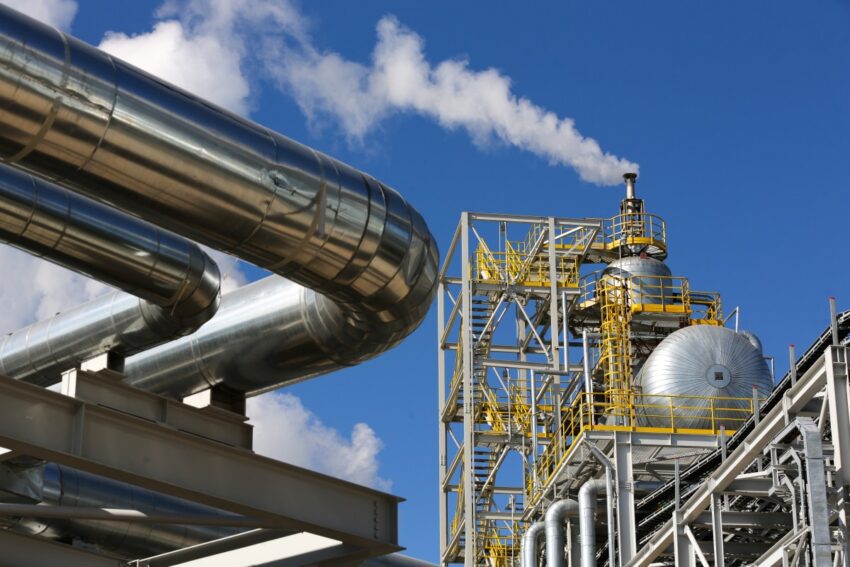
ammobia says it has reinvented a century-old Ammobia has introduced a novel approach to the century-old Haber-Bosch process for ammonia production, potentially transforming various industries.
ammobia says it has reinvented a century-old
Understanding the Haber-Bosch Process
The Haber-Bosch process, developed in the early 20th century by Fritz Haber and Carl Bosch, is a method for synthesizing ammonia from nitrogen and hydrogen. This process has been pivotal in the production of fertilizers, which in turn has significantly contributed to global food production. However, it is energy-intensive and heavily reliant on fossil fuels, leading to substantial greenhouse gas emissions.
Traditionally, the Haber-Bosch process operates at high temperatures (around 400-500 degrees Celsius) and pressures (150-300 atmospheres). This requires significant energy input, primarily sourced from natural gas, which raises concerns about sustainability and environmental impact. As global awareness of climate change increases, the need for more sustainable ammonia production methods has become critical.
Ammobia’s Innovative Approach
Ammobia, a startup founded with the mission to revolutionize ammonia production, claims to have developed a new technology that reimagines the Haber-Bosch process. While specific technical details remain proprietary, the company asserts that its method is more efficient and environmentally friendly than traditional approaches.
Key Features of Ammobia’s Technology
- Lower Energy Requirements: Ammobia’s process reportedly operates at significantly lower temperatures and pressures compared to the conventional method. This could lead to reduced energy consumption and lower operational costs.
- Utilization of Renewable Energy: The startup aims to integrate renewable energy sources, such as solar or wind power, into its ammonia production process. This shift could drastically reduce the carbon footprint associated with ammonia synthesis.
- Scalability: Ammobia’s technology is designed to be scalable, allowing for deployment in various settings, from large industrial plants to smaller, localized production facilities.
Potential Impacts on Various Industries
If Ammobia’s claims hold true, the implications for multiple sectors could be profound. Here are some key industries that may benefit from this innovation:
1. Agriculture
The agricultural sector is the largest consumer of ammonia, primarily for fertilizer production. A more sustainable and cost-effective method of ammonia synthesis could lead to lower fertilizer prices, making it more accessible for farmers. Additionally, reduced emissions from ammonia production could help mitigate the environmental impact of agriculture, aligning with global sustainability goals.
2. Power Generation
Ammonia is increasingly being recognized as a potential fuel source for power generation. Its ability to be burned in gas turbines or used in fuel cells makes it a versatile energy carrier. Ammobia’s technology could enable cleaner ammonia production, facilitating its adoption as a sustainable alternative to fossil fuels in power generation.
3. Maritime Shipping
The shipping industry is under pressure to reduce its carbon emissions, and ammonia is being explored as a potential zero-emission fuel. If Ammobia can produce ammonia more sustainably, it could play a crucial role in the transition to greener shipping practices, helping to meet international regulations aimed at reducing maritime emissions.
4. Chemical Manufacturing
Beyond fertilizers, ammonia is a key ingredient in various chemical processes, including the production of plastics and explosives. A more efficient and sustainable ammonia production method could lower costs and reduce the environmental impact of these industries, promoting a circular economy.
Challenges Ahead
Despite the promising potential of Ammobia’s technology, several challenges lie ahead. The startup must demonstrate that its process can be commercially viable and scalable. This involves rigorous testing and validation to ensure that the technology can produce ammonia at the necessary scale and quality for industrial applications.
Regulatory Hurdles
As with any new technology, regulatory approval will be a critical step. Ammobia will need to navigate the complex landscape of environmental regulations and safety standards, which can vary significantly across different regions. Engaging with regulatory bodies early in the development process will be essential to facilitate a smoother path to market.
Market Competition
The ammonia production market is competitive, with established players already utilizing the Haber-Bosch process. Ammobia will need to differentiate itself not only through its technology but also in terms of cost-effectiveness and reliability. Building partnerships with key stakeholders in the agriculture, energy, and shipping sectors could provide a strategic advantage in gaining market acceptance.
Stakeholder Reactions
The announcement of Ammobia’s innovative approach has garnered attention from various stakeholders, including investors, industry experts, and environmental advocates. Many are cautiously optimistic about the potential for a breakthrough in ammonia production.
Investor Interest
Venture capitalists and investors are increasingly looking for opportunities in sustainable technologies. Ammobia’s focus on reducing the carbon footprint of ammonia production aligns with the growing trend of environmentally conscious investing. If the startup can secure funding, it may accelerate its research and development efforts, bringing its technology to market more quickly.
Industry Experts
Experts in the field of chemical engineering and sustainable practices have expressed interest in Ammobia’s claims. However, they emphasize the importance of transparency and peer-reviewed studies to validate the technology’s efficacy. Collaboration with academic institutions and research organizations could lend credibility to Ammobia’s claims and foster innovation.
Environmental Advocates
Environmental organizations are closely monitoring developments in ammonia production, given its significant impact on agriculture and emissions. Many advocates view Ammobia’s approach as a potential game-changer, provided it can deliver on its promises. The success of this technology could serve as a model for other industries seeking to reduce their carbon footprints.
Conclusion
Ammobia’s reimagining of the Haber-Bosch process could mark a significant turning point in ammonia production, with far-reaching implications for agriculture, energy, and shipping. While challenges remain, the potential benefits of a more sustainable and efficient ammonia synthesis method are substantial. As the world grapples with climate change and seeks innovative solutions, Ammobia’s technology could play a crucial role in shaping a more sustainable future.
Source: Original report
Was this helpful?
Last Modified: January 14, 2026 at 4:52 am
0 views