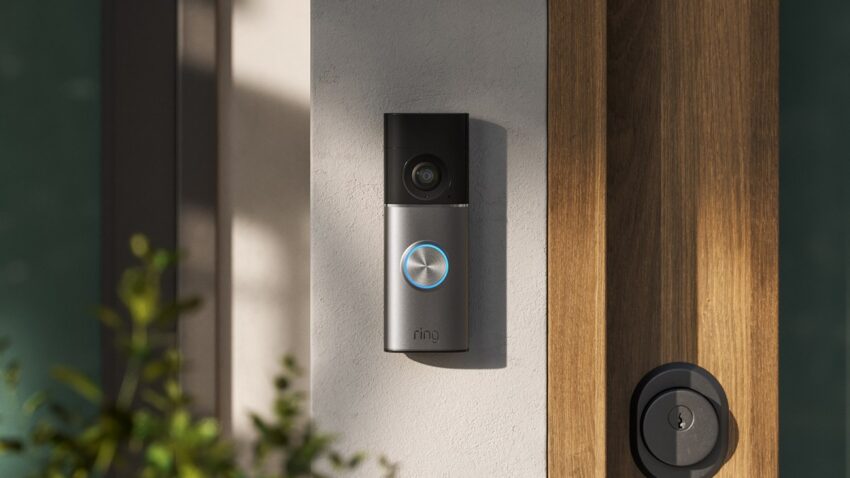
amazon s new alexa feature adds conversational Amazon has introduced a groundbreaking feature that integrates conversational AI into its Ring doorbell system, enhancing user interaction and security.
amazon s new alexa feature adds conversational
Overview of the New Feature
The newly launched Alexa+ feature leverages advanced artificial intelligence to provide a more interactive experience for users of Ring doorbells. This innovation enables the device to analyze video descriptions and identify individuals based on various factors, including their uniforms, actions, and the items they are holding. This capability not only enhances security but also streamlines communication for homeowners.
How It Works
The Alexa+ feature employs sophisticated algorithms to interpret video feeds from the Ring doorbell. When someone approaches the door, the system assesses the visual data to determine the identity of the individual. This is achieved through a combination of machine learning and computer vision technologies, which allow the device to recognize patterns and make informed guesses about who is at the door.
- Uniform Recognition: The system can identify delivery personnel or service providers by analyzing their uniforms. For instance, if a UPS driver is at the door, the Ring doorbell can recognize the distinctive brown uniform and alert the homeowner accordingly.
- Action Analysis: The AI can also interpret the actions of the person in front of the camera. If someone is seen carrying a package or performing a specific task, the system can provide context to the homeowner.
- Object Identification: By recognizing objects that individuals are holding, such as a package or a tool, the system can further refine its identification process.
Implications for Home Security
The integration of conversational AI into Ring doorbells represents a significant advancement in home security technology. Traditional doorbell cameras primarily serve as passive recording devices, alerting homeowners to activity but offering limited interaction. With the Alexa+ feature, users can engage in real-time conversations with visitors, enhancing both security and convenience.
Enhanced Communication
One of the standout features of Alexa+ is its ability to facilitate two-way communication. Homeowners can interact with delivery personnel or visitors without having to open the door. This is particularly beneficial in scenarios where the homeowner may not be at home but wants to ensure that packages are delivered safely.
For example, if a delivery driver approaches the door, the homeowner can use the Alexa app to communicate directly with them. This interaction can include providing specific instructions for package placement or confirming delivery details. Such capabilities can help reduce the risk of package theft, a growing concern in many neighborhoods.
Privacy Considerations
While the Alexa+ feature offers numerous benefits, it also raises important privacy concerns. The ability to identify individuals based on their appearance and actions may lead to apprehensions regarding surveillance and data security. Amazon has stated that user privacy is a top priority, and the company has implemented measures to protect user data.
Users have control over their privacy settings, allowing them to manage how their data is used and shared. Additionally, the system does not store video feeds unless explicitly requested by the user, which helps mitigate concerns about unauthorized surveillance.
Stakeholder Reactions
The introduction of the Alexa+ feature has elicited a range of reactions from stakeholders, including consumers, privacy advocates, and industry experts.
Consumer Enthusiasm
Many consumers have expressed excitement about the new capabilities offered by the Alexa+ feature. Homeowners appreciate the added layer of security and convenience, particularly in an era where package theft is prevalent. The ability to engage with visitors remotely is seen as a valuable enhancement to the overall user experience.
Privacy Advocates’ Concerns
Conversely, privacy advocates have raised concerns about the implications of such technology. The ability to identify individuals based on their appearance may lead to potential misuse or abuse of the system. Critics argue that while the technology can enhance security, it also poses risks related to surveillance and data privacy.
Organizations focused on digital rights have called for clearer regulations surrounding the use of AI in home security devices. They emphasize the need for transparency regarding data collection practices and the importance of ensuring that users have full control over their information.
Future Developments
As Amazon continues to refine the Alexa+ feature, there are several potential developments on the horizon. The company may explore additional functionalities that could further enhance the user experience and expand the capabilities of Ring doorbells.
Integration with Smart Home Ecosystems
One possible avenue for future development is the integration of Alexa+ with other smart home devices. By creating a more interconnected ecosystem, users could benefit from enhanced automation and control. For instance, if the Ring doorbell identifies a familiar face, it could automatically unlock the door or adjust home settings based on the individual’s preferences.
Improved AI Algorithms
Amazon may also invest in improving the underlying AI algorithms to enhance the accuracy and reliability of the identification process. As machine learning technology continues to evolve, the potential for more precise recognition of individuals and objects will likely increase, further bolstering the effectiveness of the Alexa+ feature.
Conclusion
The introduction of the Alexa+ feature marks a significant milestone in the evolution of home security technology. By integrating conversational AI into Ring doorbells, Amazon is not only enhancing user interaction but also addressing key concerns related to security and convenience. While the feature offers numerous benefits, it also raises important questions regarding privacy and data security. As stakeholders continue to navigate these complexities, the future of home security will undoubtedly be shaped by advancements in AI and user-centric design.
Source: Original report
Was this helpful?
Explore more: AI Automation Services More AI & Automation Tech News
Last Modified: December 18, 2025 at 11:37 pm
13 views