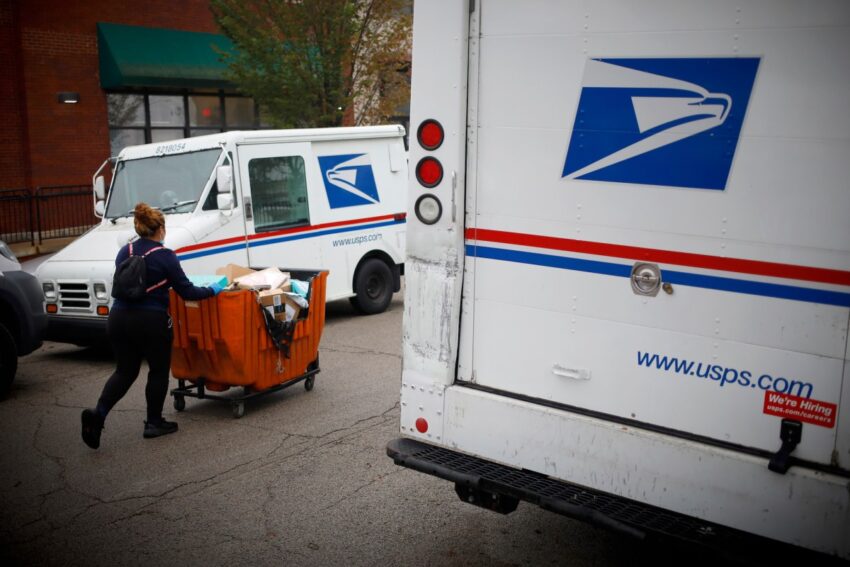
amazon reportedly considering dropping usps and building Amazon is reportedly exploring the possibility of severing ties with the United States Postal Service (USPS) and establishing its own postal service, a move that could significantly alter the landscape of package delivery in the United States.
amazon reportedly considering dropping usps and building
Background on Amazon and USPS Relationship
Amazon has long relied on USPS for the delivery of its packages, making it the postal agency’s largest customer. The relationship between the two entities has been pivotal in facilitating the rapid growth of e-commerce, particularly during the COVID-19 pandemic when online shopping surged. As more consumers turned to online platforms for their shopping needs, USPS became an essential partner for Amazon, handling millions of deliveries each week.
However, the partnership has not been without its challenges. Both organizations have faced increasing pressure to adapt to changing market conditions, including rising operational costs and evolving consumer expectations. As a result, negotiations for a new contract between Amazon and USPS have become increasingly complex, with both sides seeking to secure favorable terms.
Current Negotiations and Tensions
The ongoing negotiations between Amazon and USPS are reportedly fraught with tension. Amazon is seeking more favorable pricing and service terms, while USPS is grappling with its own financial difficulties. The postal service has been operating at a loss for several years, and its financial woes have been exacerbated by the pandemic, which has led to increased operational costs and a decline in traditional mail volume.
As these negotiations progress, Amazon’s consideration of establishing its own postal service raises questions about the future of USPS and the broader implications for the logistics and delivery industry. If Amazon proceeds with this plan, it could disrupt the existing delivery ecosystem and challenge the dominance of USPS in the package delivery market.
Potential Implications for USPS
The potential loss of Amazon as a customer would have significant ramifications for USPS. The agency relies heavily on revenue generated from package deliveries, and Amazon’s departure could exacerbate its financial struggles. In fiscal year 2021, USPS reported a net loss of $4.9 billion, and losing its largest customer could further deepen its financial crisis.
Moreover, the loss of Amazon could lead to service reductions and increased delivery times for consumers. USPS has been a critical player in ensuring timely deliveries, particularly in rural areas where private carriers may not operate as frequently. If Amazon establishes its own postal service, it may prioritize urban and suburban markets, potentially neglecting underserved regions.
Impact on the Delivery Industry
The establishment of an Amazon-owned postal service could also have far-reaching effects on the broader delivery industry. Amazon has already made significant investments in its logistics infrastructure, including fulfillment centers, delivery vans, and drone technology. By launching its own postal service, Amazon could further consolidate its control over the delivery process, reducing its reliance on third-party carriers.
This move could intensify competition among delivery companies, forcing them to adapt to a rapidly changing landscape. Companies like FedEx and UPS may need to reevaluate their strategies to remain competitive in a market where Amazon is not only a major customer but also a direct competitor.
Stakeholder Reactions
The potential shift in Amazon’s relationship with USPS has elicited a range of reactions from stakeholders across the industry. Some industry experts view the move as a natural progression for Amazon, given its history of vertical integration. By controlling its own delivery network, Amazon could enhance its operational efficiency and improve customer satisfaction through faster delivery times.
Conversely, others express concern about the implications for competition and consumer choice. Critics argue that an Amazon-owned postal service could lead to monopolistic practices, limiting options for consumers and small businesses that rely on USPS for affordable shipping solutions. The potential for reduced service quality in rural areas is also a significant concern, as Amazon may prioritize profitability over universal service obligations.
Government and Regulatory Considerations
The prospect of Amazon establishing its own postal service may also attract the attention of regulators and lawmakers. Given the critical role that USPS plays in the American economy and the delivery of mail and packages, any significant changes to its operations could prompt scrutiny from government officials.
Regulatory bodies may need to assess the potential impact on competition and consumer welfare. If Amazon’s new postal service leads to reduced service options or higher prices for consumers, regulators may intervene to ensure a level playing field in the delivery market. Additionally, lawmakers may need to consider the implications for USPS’s financial stability and the potential need for reform to ensure its long-term viability.
Amazon’s Logistics Strategy
Amazon’s exploration of a competing postal service aligns with its broader logistics strategy, which has focused on building a comprehensive delivery network. The company has invested heavily in its own fleet of delivery vehicles, including Amazon Prime Air drones and Amazon Air cargo planes, to enhance its delivery capabilities.
By establishing its own postal service, Amazon could further streamline its logistics operations and reduce reliance on external carriers. This move would allow the company to exert greater control over delivery times and costs, ultimately improving the customer experience. However, it also raises questions about the long-term sustainability of USPS and the potential for increased costs for consumers.
Future of E-Commerce Delivery
The potential shift in Amazon’s delivery strategy could signal a broader transformation in the e-commerce delivery landscape. As more companies seek to establish their own logistics networks, the traditional model of relying on third-party carriers may become less viable. This shift could lead to increased competition among delivery providers and a reconfiguration of the logistics industry.
Moreover, the rise of autonomous delivery technologies, such as drones and self-driving vehicles, could further disrupt the delivery landscape. As companies like Amazon continue to innovate and invest in new technologies, the future of package delivery may look significantly different than it does today.
Conclusion
Amazon’s consideration of dropping USPS and building its own postal service represents a pivotal moment in the evolution of package delivery in the United States. As negotiations between the two entities continue, the implications for USPS, the delivery industry, and consumers remain uncertain. The potential loss of Amazon as a customer could exacerbate USPS’s financial challenges, while the establishment of an Amazon-owned postal service could reshape the competitive landscape.
As stakeholders across the industry react to this development, the future of e-commerce delivery hangs in the balance. The decisions made by Amazon and USPS in the coming months will undoubtedly have lasting effects on the logistics and delivery ecosystem, influencing how packages are delivered and the options available to consumers and businesses alike.
Source: Original report
Was this helpful?
Explore more: More Business & Startups Tech News Blog
Last Modified: December 4, 2025 at 9:48 pm
16 views