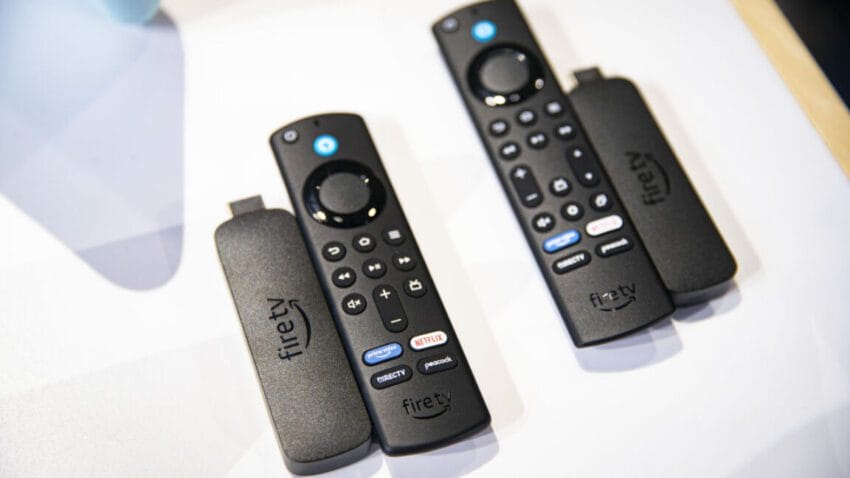
amazon fire tv devices expected to ditch Amazon is poised to transition its Fire TV devices from Android to a proprietary Linux-based operating system, a move that could reshape the user experience and functionality of its streaming products.
amazon fire tv devices expected to ditch
Background on Fire OS and Its Limitations
Amazon’s Fire-branded devices, including tablets and streaming devices, have long operated on Fire OS, which is essentially a customized version of Android. This operating system is based on the Android Open Source Project (AOSP), allowing Amazon to modify and tailor the software to better fit its ecosystem. However, this reliance on AOSP has often resulted in Fire OS lagging behind the latest Android updates. For instance, the recently released Amazon Fire HD 8 tablet in 2024 runs Fire OS 8, which is built on Android 11, a version that dates back to 2020.
The decision to utilize an older version of Android has implications for app compatibility, security updates, and overall user experience. Users of Fire devices often find themselves missing out on the latest features and improvements that come with newer Android versions. This has led to frustration among consumers who expect their devices to keep pace with technological advancements.
Transition to a Proprietary Linux Operating System
The recent job posting that hinted at this shift suggests that Amazon is preparing to roll out its homegrown operating system, reportedly codenamed Vega OS, to Fire TV devices as early as this year. This transition marks a significant departure from the company’s longstanding reliance on Android and could provide Amazon with greater control over its software ecosystem.
Current Devices Running Vega OS
Interestingly, some of Amazon’s devices have already adopted this proprietary software. The Echo Hub smart home control panel, Echo Show 5 (3rd Gen) smart home display, and Echo Spot smart speaker are examples of devices that currently run an operating system based on the Linux 5.16 kernel. According to Amazon’s source code notice for Alexa devices, these products are already leveraging the capabilities of Vega OS, although Amazon has yet to publicly acknowledge its existence.
Implications of the Shift
The move to a Linux-based operating system for Fire TV devices could have several implications for both consumers and developers. Here are some key areas to consider:
- Enhanced Performance: By developing its own operating system, Amazon can optimize performance specifically for its hardware. This could lead to faster boot times, smoother navigation, and an overall improved user experience.
- Increased Security: A proprietary OS allows Amazon to implement more stringent security measures tailored to its ecosystem. This could help protect user data and reduce vulnerabilities that are often associated with older versions of Android.
- Greater Control Over Updates: With its own operating system, Amazon can roll out updates more frequently and efficiently. This could address issues more swiftly and introduce new features without waiting for AOSP updates.
- App Ecosystem Changes: Developers may need to adapt their applications to be compatible with Vega OS. While Amazon has a robust app store, the transition could lead to a period of adjustment as developers update their offerings.
Stakeholder Reactions
The announcement of this shift has elicited a variety of reactions from stakeholders, including consumers, developers, and industry analysts.
Consumer Perspectives
For consumers, the transition could be met with cautious optimism. Many users have expressed frustration over the limitations of Fire OS, particularly regarding outdated software and app compatibility. The prospect of a more modern, proprietary operating system may alleviate some of these concerns, offering a more seamless experience across Amazon’s ecosystem of devices.
Developer Concerns
On the other hand, developers may have mixed feelings about the transition. While some may welcome the opportunity to create applications specifically designed for Vega OS, others may be apprehensive about the additional work required to ensure compatibility. The need to adapt existing applications could pose challenges, particularly for smaller developers with limited resources.
Industry Analysts’ Insights
Industry analysts have noted that this move aligns with Amazon’s broader strategy to create a more integrated ecosystem. By controlling both the hardware and software of its devices, Amazon can enhance the user experience and potentially drive greater customer loyalty. This strategy mirrors that of other tech giants, such as Apple, which has successfully integrated its hardware and software to create a cohesive user experience.
Future Prospects for Fire TV Devices
As Amazon prepares to launch Vega OS on Fire TV devices, several questions remain regarding the future of its streaming products. Will the new operating system be able to compete with established platforms like Roku and Apple TV? How will Amazon differentiate its offerings in a crowded market?
Potential Competitive Advantages
Amazon has several competitive advantages that could work in its favor:
- Integration with Amazon Services: A proprietary OS could allow for deeper integration with Amazon’s services, such as Prime Video, Amazon Music, and Alexa. This could create a more cohesive experience for users who are already embedded in the Amazon ecosystem.
- Customization Options: With greater control over the operating system, Amazon may introduce unique features and customization options that set its Fire TV devices apart from competitors.
- Enhanced Smart Home Capabilities: As smart home technology continues to grow, Amazon’s expertise in this area could lead to innovative features that leverage its existing smart home products.
Challenges Ahead
Despite these advantages, Amazon will face challenges as it transitions to Vega OS. The company must ensure that the new operating system is user-friendly and offers a smooth transition for existing Fire TV users. Additionally, maintaining a robust app ecosystem will be crucial for attracting and retaining users.
Conclusion
The anticipated shift from Android to a proprietary Linux-based operating system for Amazon’s Fire TV devices represents a significant milestone in the company’s strategy. By developing Vega OS, Amazon aims to enhance performance, security, and user experience while gaining greater control over its software ecosystem. As the rollout approaches, stakeholders across the board will be closely monitoring the impact of this transition on the Fire TV product line and the broader streaming market.
Source: Original report
Was this helpful?
Explore more: DevOps Services More Cloud & DevOps Tech News
Last Modified: September 26, 2025 at 3:36 am
12 views