ai image generators are getting better by AI image generators have evolved significantly, leading to a paradox where their increasing realism also highlights their flaws.
ai image generators are getting better by
Introduction to AI Image Generation
Artificial intelligence has made remarkable strides in various fields, and image generation is no exception. Initially, AI-generated images were often laughable, featuring bizarre distortions and unrealistic features. Early attempts at creating human figures resulted in uncanny representations, such as individuals with multiple fingers or limbs that appeared rubbery and unnatural. These flaws were easily recognizable, making it clear that the images were artificially created.
However, the landscape of AI image generation has changed dramatically in recent years. The technology has advanced to a point where it can produce images that are increasingly difficult to distinguish from real photographs. This evolution raises important questions about authenticity, creativity, and the implications of using AI in visual arts.
How AI Image Generators Work
At the core of AI image generation are complex algorithms and neural networks that learn from vast datasets of images. These systems analyze patterns, styles, and features in existing images to create new ones. The most notable advancements have come from Generative Adversarial Networks (GANs), which consist of two neural networks: a generator and a discriminator.
- Generator: This network creates new images based on the training data.
- Discriminator: This network evaluates the generated images against real images, providing feedback to the generator.
This back-and-forth process allows the generator to improve its output over time, leading to increasingly realistic images. As the technology matures, the generated images not only become more visually appealing but also more contextually relevant, capturing the nuances of different styles and subjects.
The Rise of Realism in AI-Generated Images
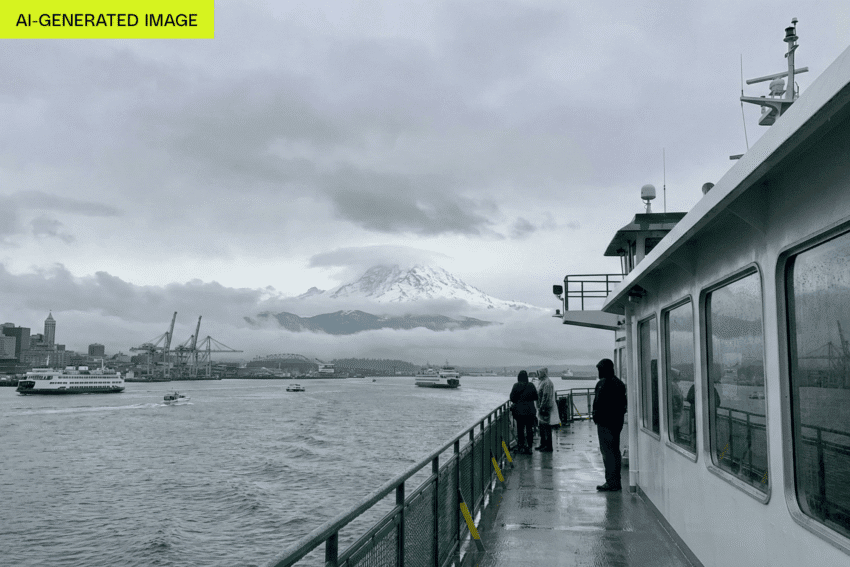
Recent advancements have led to AI image generators producing images that can be strikingly realistic. For instance, a recent image of Mount Rainier may depict the mountain with exaggerated proportions, but the surrounding elements, such as a Washington State ferry, can appear almost lifelike. This juxtaposition of realism and exaggeration highlights a critical aspect of AI-generated imagery: while the technology has improved, it still struggles with certain details.
As AI systems become better at mimicking reality, they also expose the limitations of their understanding. The images may look convincing at first glance, but upon closer inspection, discrepancies often emerge. These inconsistencies can range from odd proportions to unnatural lighting, revealing the underlying artificiality of the image.
The Implications of Enhanced AI Image Generation
The increasing realism of AI-generated images has significant implications across various sectors, including art, advertising, journalism, and social media. As these images become more prevalent, the line between reality and fabrication blurs, raising ethical and practical concerns.
Art and Creativity
In the realm of art, AI-generated images challenge traditional notions of creativity and authorship. Artists are beginning to explore the potential of AI as a collaborative tool, using it to generate ideas or enhance their work. However, this raises questions about the value of human creativity versus machine-generated content. If an AI can produce an image that rivals the work of a human artist, what does that mean for the future of artistic expression?
Advertising and Marketing
In advertising, the ability to create hyper-realistic images can be a double-edged sword. On one hand, marketers can produce visually stunning campaigns that capture consumer attention. On the other hand, the use of AI-generated images can lead to misleading representations of products or services. This raises ethical concerns about transparency and authenticity in advertising, as consumers may be misled by images that do not accurately reflect reality.
Journalism and Misinformation
In journalism, the rise of AI-generated images poses a significant threat to the integrity of visual storytelling. As these images become more realistic, the potential for misinformation increases. Fake images can be used to manipulate public opinion, spread false narratives, and undermine trust in legitimate news sources. Journalists and media organizations must navigate this new landscape carefully, ensuring that they maintain credibility while adapting to the changing nature of visual content.
Social Media and User-Generated Content
Social media platforms are also grappling with the implications of AI-generated images. As users increasingly share AI-created content, distinguishing between real and fake images becomes more challenging. This can lead to confusion and misinformation, as users may not be aware that an image they encounter is not genuine. Social media companies face the challenge of developing tools and policies to address this issue, ensuring that users can trust the content they see.
Stakeholder Reactions
The advancements in AI image generation have elicited a range of reactions from various stakeholders, including artists, technologists, ethicists, and consumers. Many artists express a mix of excitement and apprehension about the technology. Some view AI as a valuable tool that can enhance their creative process, while others worry that it may devalue their work and undermine their livelihoods.
Technologists are generally optimistic about the potential of AI image generation, emphasizing its applications in fields such as design, entertainment, and education. However, they also acknowledge the ethical considerations that must be addressed as the technology continues to evolve.
Ethicists and scholars are increasingly focused on the implications of AI-generated images for society. They argue that as these images become more realistic, the potential for misuse grows, necessitating a robust framework for ethical guidelines and regulations. This includes discussions about accountability, transparency, and the responsibility of creators and platforms in managing AI-generated content.
The Future of AI Image Generation
Looking ahead, the future of AI image generation is both exciting and uncertain. As technology continues to improve, we can expect even more sophisticated and realistic images. This raises important questions about the role of AI in creative fields and the ethical considerations that accompany its use.
One potential direction for the future is the development of hybrid models that combine human creativity with AI capabilities. This could lead to new forms of artistic expression that leverage the strengths of both humans and machines. Additionally, as AI-generated images become more prevalent, there may be a growing demand for tools that help users identify and verify the authenticity of visual content.
Conclusion
AI image generators have come a long way from their early, laughable attempts at creating realistic images. While their increasing realism presents exciting opportunities, it also raises significant ethical and practical challenges. As stakeholders across various sectors grapple with the implications of this technology, it is crucial to establish guidelines and frameworks that ensure responsible use. The future of AI in image generation is undoubtedly bright, but it requires careful navigation to balance innovation with integrity.
Source: Original report
Was this helpful?
Explore more: AI Automation Services More AI & Automation Tech News
Last Modified: December 15, 2025 at 5:38 am
22 views