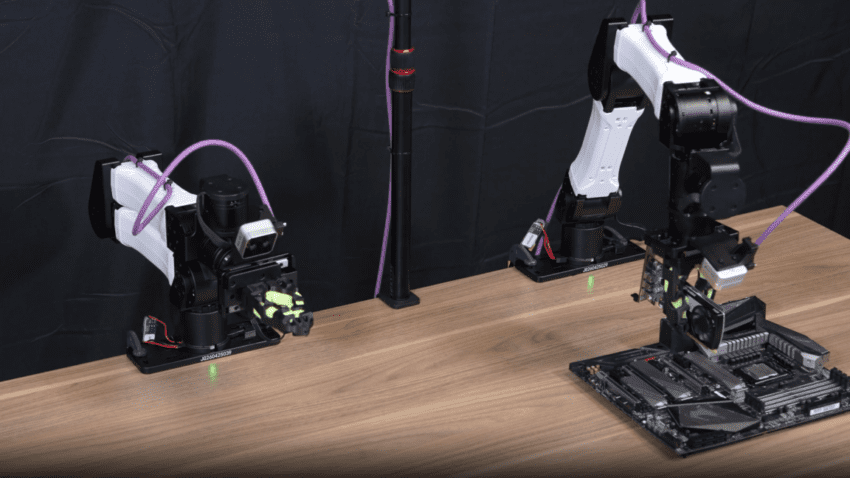
ai coding agents can autonomously direct robot Recent advancements in artificial intelligence have enabled coding agents to autonomously direct the training of robots, showcasing the potential for AI to revolutionize automation.
ai coding agents can autonomously direct robot
Introduction to Autonomous Robot Training
In a groundbreaking development, researchers have demonstrated that AI coding agents can effectively manage the training of robotic systems without human intervention. By providing these agents with a laboratory filled with robotic arms, computational resources, and a substantial token budget, the agents were able to devise training regimens that enabled robots to perform complex tasks. Notably, these tasks included cutting zip ties and inserting GPUs into thin sockets on motherboards, showcasing the versatility and capability of AI in practical applications.
The ENPIRE Framework
The key to this autonomous training capability lies in a new agent harness framework known as ENPIRE. This innovative software is designed to wrap around AI models, enhancing their functionality by allowing them to utilize various tools while incorporating essential features such as memory, context, constraints, and feedback loops. The development of ENPIRE is a collaborative effort spearheaded by robotics researchers at the NVIDIA GEAR (Generalist Embodied Agent Research) lab, in partnership with experts from Carnegie Mellon University in Pittsburgh and the University of California, Berkeley.
Understanding ENPIRE’s Functionality
ENPIRE serves as a bridge between AI models and the physical world, enabling coding agents to interact with robotic systems in a meaningful way. The framework enhances the agents’ ability to learn from their environment and adapt their strategies based on feedback. This adaptability is crucial for training robots to perform tasks that may require fine motor skills or precise movements.
Key Features of ENPIRE
- Memory: ENPIRE allows agents to retain information from previous training sessions, enabling them to build on past experiences and improve their training methodologies over time.
- Context: The framework provides agents with contextual understanding, allowing them to make informed decisions based on the specific requirements of each task.
- Constraints: ENPIRE incorporates constraints that guide the agents in their training processes, ensuring that robots learn to operate within safe and effective parameters.
- Feedback Loops: The framework establishes feedback mechanisms that allow agents to assess the performance of the robots and adjust their training strategies accordingly.
Implications of Autonomous Robot Training
The ability of AI coding agents to autonomously direct robot training has significant implications for various industries. As automation continues to evolve, the demand for efficient and effective training methods for robotic systems will only increase. The ENPIRE framework represents a step forward in addressing this need, offering a solution that minimizes human intervention while maximizing training efficiency.
Potential Applications
Several industries stand to benefit from the advancements made possible by ENPIRE and autonomous robot training:
- Manufacturing: In manufacturing environments, robots are increasingly used for tasks such as assembly, welding, and quality control. Autonomous training can streamline the onboarding process for new robotic systems, reducing downtime and improving productivity.
- Healthcare: In the healthcare sector, robots are being employed for surgical assistance, rehabilitation, and patient care. The ability to train these robots autonomously could lead to faster deployment and improved patient outcomes.
- Logistics: As e-commerce continues to grow, logistics companies are turning to automation to manage inventory and fulfill orders. Autonomous robot training can enhance the efficiency of warehouse operations, allowing for quicker and more accurate order processing.
Challenges and Considerations
While the prospects of autonomous robot training are promising, several challenges and considerations must be addressed to fully realize its potential. These include:
Safety and Reliability
Ensuring the safety and reliability of autonomous training systems is paramount. As robots are increasingly integrated into environments where they interact with humans, it is essential to establish protocols that prevent accidents and ensure consistent performance. Researchers must focus on developing robust safety measures that can be incorporated into the ENPIRE framework.
Ethical Considerations
The rise of autonomous AI systems raises ethical questions regarding accountability and decision-making. As AI agents take on more responsibilities, it becomes crucial to establish guidelines that govern their actions and ensure that they operate within ethical boundaries. Stakeholders must engage in discussions about the implications of delegating decision-making authority to AI systems.
Technical Limitations
Despite the advancements made with ENPIRE, technical limitations still exist. The complexity of certain tasks may require further refinement of the AI models used in the framework. Continuous research and development will be necessary to enhance the capabilities of these coding agents and ensure they can handle a wider range of tasks effectively.
Stakeholder Reactions
The introduction of autonomous robot training has garnered attention from various stakeholders, including researchers, industry leaders, and policymakers. Reactions have been largely positive, with many expressing excitement about the potential for increased efficiency and productivity in automation.
Industry Leaders
Industry leaders have recognized the transformative potential of autonomous robot training. Jim Fan, director of AI at NVIDIA, highlighted the significance of the ENPIRE framework in a recent LinkedIn post, stating, “A part of our NVIDIA GEAR lab now self-improves tirelessly overnight. We just read the reports in the morning.” This sentiment reflects a growing enthusiasm for the capabilities of AI in driving innovation and improving operational efficiency.
Academic Perspectives
Academics and researchers are also optimistic about the implications of autonomous robot training. Collaborators from Carnegie Mellon University and the University of California, Berkeley have expressed interest in further exploring the capabilities of ENPIRE and its potential applications in various fields. The collaborative nature of this research underscores the importance of interdisciplinary approaches in advancing AI and robotics.
The Future of Autonomous Robot Training
As research continues to evolve, the future of autonomous robot training appears promising. The ENPIRE framework represents a significant milestone in the journey toward fully autonomous robotic systems. With ongoing advancements in AI technology, it is likely that we will see even more sophisticated applications of autonomous training in the coming years.
Continued Research and Development
To fully harness the potential of autonomous robot training, continued research and development will be essential. This includes refining the ENPIRE framework, addressing safety and ethical considerations, and exploring new applications across various industries. Collaboration among researchers, industry leaders, and policymakers will play a crucial role in shaping the future of this technology.
Conclusion
The ability of AI coding agents to autonomously direct robot training marks a significant advancement in the field of automation. With the development of the ENPIRE framework, researchers have opened the door to new possibilities for efficient and effective training of robotic systems. As industries continue to embrace automation, the implications of this technology will be far-reaching, potentially transforming the way we work and interact with machines.
Source: Original report
Was this helpful?
Explore more: AI Automation Services More AI & Automation Tech News
Last Modified: June 18, 2026 at 1:36 am
17 views