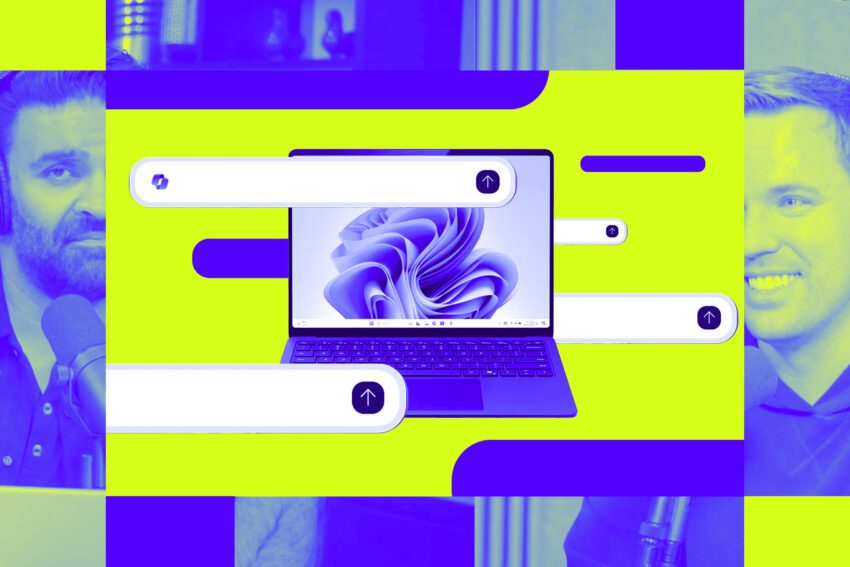
ai agents are invading your pc Microsoft is on the brink of a significant transformation in how users interact with their PCs, as AI agents are set to become a central feature of the Windows operating system.
ai agents are invading your pc
The Evolution of Windows
For decades, Windows has maintained a relatively consistent user interface and experience. While Microsoft has introduced various updates and features over the years, the fundamental structure of the operating system has remained largely unchanged. Windows 8 marked a notable attempt by Microsoft to revolutionize the user experience with a new interface designed for touchscreens. However, this shift was met with considerable backlash from users who preferred the traditional desktop experience. As a result, Microsoft reverted to a more familiar layout with Windows 10, which was generally well-received.
Despite this return to form, the landscape of personal computing is evolving rapidly, driven by advancements in artificial intelligence and machine learning. Microsoft is now positioning itself at the forefront of this change, with CEO Satya Nadella advocating for a future where AI agents play a crucial role in how users interact with their devices.
The Rise of AI Agents
According to Nadella, the future of computing may not involve users directly interacting with their own machines as they have in the past. Instead, Microsoft envisions a scenario where AI agents take on a more prominent role, potentially handling tasks and managing workflows on behalf of users. This shift represents a significant departure from traditional computing paradigms, where users are expected to engage directly with their devices to perform tasks.
Microsoft’s push for AI integration is not merely a theoretical concept; the company is actively embedding AI agents into various aspects of the Windows operating system. The taskbar, a central feature of the Windows interface, is one of the first areas to receive this AI-driven enhancement. By incorporating AI agents into the taskbar, Microsoft aims to streamline user interactions and make computing more intuitive and efficient.
What Are AI Agents?
AI agents can be understood as software programs designed to perform tasks autonomously or semi-autonomously, often using machine learning algorithms to improve their performance over time. These agents can assist users in a variety of ways, from managing schedules and sending reminders to automating repetitive tasks and providing personalized recommendations.
The introduction of AI agents into Windows could lead to a more personalized computing experience. For example, an AI agent might learn a user’s preferences over time and suggest applications or actions based on their habits. This level of customization could enhance productivity and make the user experience more seamless.
Implications for Users
The integration of AI agents into Windows raises several important questions and implications for users. One of the most pressing concerns is the potential loss of control over personal computing. As AI agents take on more responsibilities, users may find themselves relying on these systems to manage their tasks, which could lead to a diminished sense of agency.
Moreover, the reliance on AI agents could introduce new challenges related to privacy and data security. Users may need to share more personal information with these agents to enable them to function effectively, raising concerns about how this data is collected, stored, and used. Microsoft will need to address these issues transparently to build trust with its user base.
Stakeholder Reactions
The reaction to Microsoft’s plans for AI agents has been mixed among stakeholders. On one hand, tech enthusiasts and early adopters are excited about the potential for increased efficiency and productivity. The promise of AI-driven automation could free users from mundane tasks, allowing them to focus on more creative and strategic endeavors.
On the other hand, there are skeptics who express concern about the implications of such a shift. Critics argue that the introduction of AI agents could lead to job displacement, as automation takes over tasks traditionally performed by humans. Additionally, there are fears that the reliance on AI could result in a lack of critical thinking and problem-solving skills among users.
Microsoft’s Strategy Moving Forward
As Microsoft continues to explore the integration of AI agents into Windows, the company is likely to adopt a phased approach. Initial implementations may focus on specific tasks or features, allowing users to gradually acclimate to the changes. Over time, Microsoft may expand the capabilities of these AI agents, enabling them to handle more complex tasks and workflows.
Furthermore, Microsoft will need to invest in robust user education and support to ensure that users understand how to interact with AI agents effectively. Providing clear guidelines on how these agents operate and the benefits they offer will be crucial in fostering user acceptance and adoption.
Potential Use Cases for AI Agents
The potential applications of AI agents in Windows are vast and varied. Some possible use cases include:
- Task Management: AI agents could help users organize their schedules, set reminders, and prioritize tasks based on deadlines and importance.
- Personalized Recommendations: By analyzing user behavior, AI agents could suggest applications, documents, or workflows that align with individual preferences.
- Automated Workflows: AI agents could automate repetitive tasks, such as data entry or file organization, freeing users to focus on more strategic activities.
- Real-time Assistance: AI agents could provide real-time support, answering questions or troubleshooting issues as they arise.
The Future of Personal Computing
The introduction of AI agents into Windows marks a pivotal moment in the evolution of personal computing. As Microsoft embraces this new paradigm, the company is not only reshaping how users interact with their devices but also redefining the role of technology in everyday life.
While the potential benefits of AI agents are significant, it is essential for Microsoft to navigate the associated challenges thoughtfully. Balancing innovation with user control and privacy will be critical to the success of this initiative. As the landscape of personal computing continues to evolve, users will need to adapt to new ways of working and interacting with technology.
Conclusion
In summary, the integration of AI agents into Windows represents a bold step forward for Microsoft as it seeks to redefine the user experience. While the promise of increased efficiency and personalization is enticing, it is essential to consider the implications of such a shift. As users prepare for this new era of computing, ongoing dialogue about the role of AI in our lives will be crucial in shaping a future that is both innovative and respectful of individual autonomy.
Source: Original report
Was this helpful?
Explore more: AI Automation Services More AI & Automation Tech News
Last Modified: November 21, 2025 at 8:38 pm
15 views