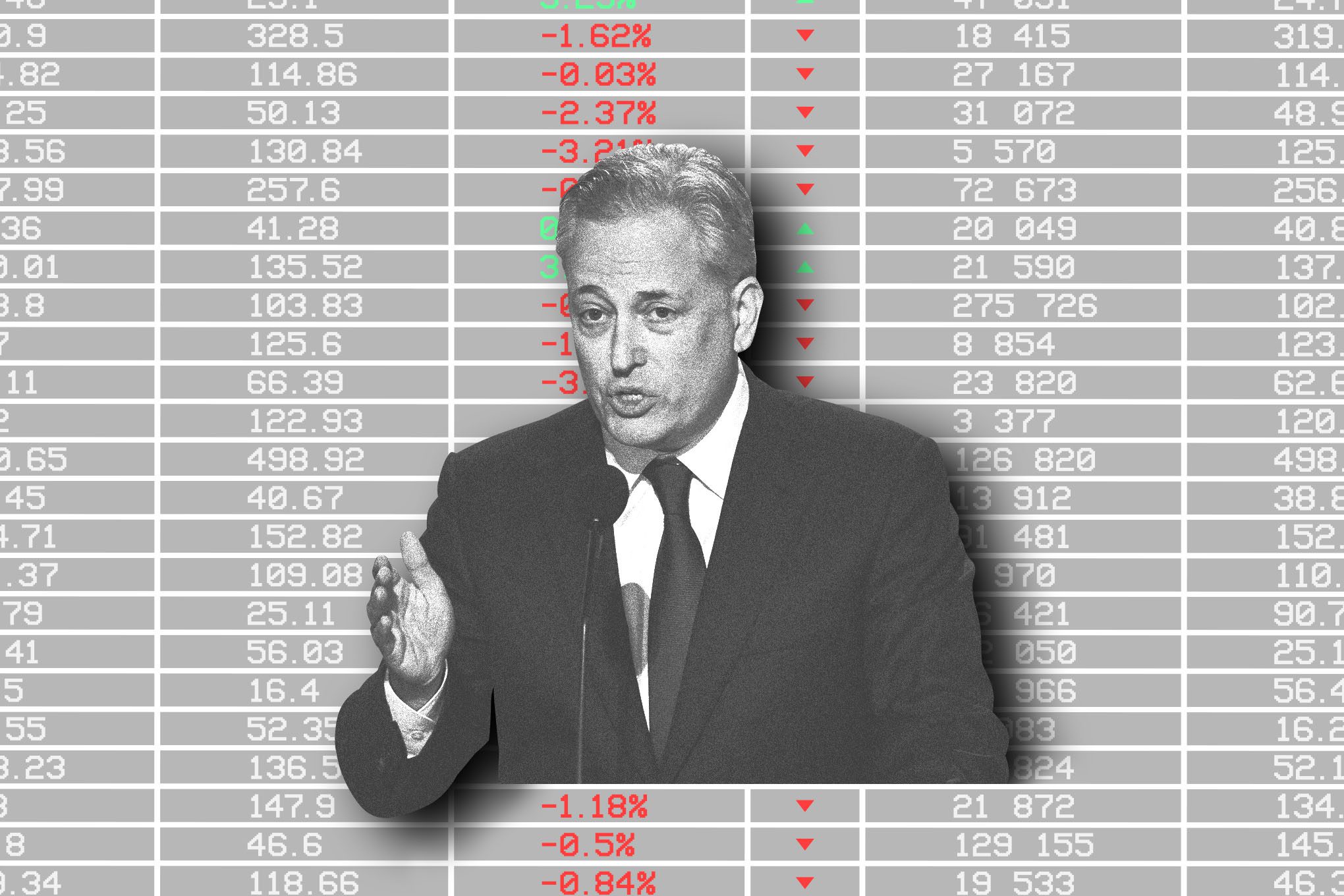
after neuralink max hodak is building something Max Hodak, co-founder of Neuralink, is embarking on a new venture that pushes the boundaries of neuroscience and technology.
after neuralink max hodak is building something
Background on Neuralink
Neuralink, founded in 2016 by Elon Musk and Max Hodak, aimed to develop advanced brain-computer interfaces (BCIs). The company’s mission was to create devices that could facilitate direct communication between the human brain and computers. This technology holds the potential to revolutionize various fields, including medicine, artificial intelligence, and human cognition.
Neuralink gained significant attention for its ambitious goals, including the treatment of neurological disorders, enhancement of cognitive abilities, and even the possibility of merging human consciousness with artificial intelligence. The company’s public demonstrations showcased the capabilities of its devices, which involved implanting tiny electrodes into the brain to enable real-time data transfer.
Max Hodak’s Departure from Neuralink
In early 2021, Hodak left Neuralink, a move that surprised many in the tech community. His departure raised questions about the future direction of the company and his next steps. While Neuralink continues to pursue its original vision, Hodak has shifted his focus to new and uncharted territories.
The New Venture
Hodak’s latest project is shrouded in mystery, but he has hinted at a vision that is both ambitious and unconventional. He suggests a radical rethinking of how we perceive the brain and its capabilities. “You could really, in a very fundamental sense, talk about redrawing the border around a brain,” he stated. This statement implies a transformative approach to understanding consciousness and cognition.
Redefining the Brain’s Boundaries
Hodak’s concept of “redrawing the border” around the brain suggests that he envisions a more expansive understanding of what constitutes cognitive processes. Traditionally, the brain has been viewed as a solitary entity, but Hodak’s perspective hints at a more interconnected model. He proposes the possibility of including multiple hemispheres, devices, or even groups of people in this redefined cognitive framework.
This idea raises intriguing questions about the nature of consciousness and how it might be shared or distributed among individuals or machines. If the brain’s boundaries can be expanded, what implications does this have for our understanding of identity, agency, and collaboration?
Technological Implications
The implications of Hodak’s vision extend beyond theoretical discussions. If successful, this new approach could lead to groundbreaking advancements in various fields:
- Neuroscience: A deeper understanding of how cognitive processes can be shared or enhanced could lead to innovative treatments for neurological disorders.
- Artificial Intelligence: Integrating human cognition with AI systems could create more advanced and intuitive machines capable of understanding human emotions and thoughts.
- Social Dynamics: If cognitive processes can be shared among groups, it could redefine collaboration, communication, and even decision-making in social contexts.
Stakeholder Reactions
The tech community has responded with a mix of skepticism and intrigue to Hodak’s new venture. Some experts express concerns about the ethical implications of redefining brain boundaries. Questions arise regarding privacy, consent, and the potential for misuse of such technology. Others are excited about the possibilities it presents, viewing it as a natural evolution of the work Hodak began at Neuralink.
Ethical Considerations
As with any groundbreaking technology, ethical considerations are paramount. The idea of sharing cognitive processes raises significant questions about individual autonomy and privacy. If cognitive boundaries can be blurred, how do we ensure that individuals retain control over their thoughts and actions?
Furthermore, the potential for misuse of this technology cannot be ignored. The prospect of manipulating or influencing thoughts and behaviors raises alarms about the implications for personal freedom and societal norms. Stakeholders in the fields of ethics, law, and technology must engage in discussions to establish guidelines and frameworks that address these concerns.
Public Perception
Public perception of Hodak’s new venture will play a crucial role in its development and acceptance. The general public’s understanding of neuroscience and technology is often limited, which can lead to misconceptions and fear. Effective communication about the goals, benefits, and risks of this new approach will be essential in garnering support and trust.
Potential Applications
While the specifics of Hodak’s new project remain largely undisclosed, potential applications can be speculated based on his previous work and current trends in technology:
- Healthcare: Enhanced brain-computer interfaces could revolutionize treatment for conditions such as epilepsy, Parkinson’s disease, and depression.
- Education: Shared cognitive processes could lead to new methods of learning and collaboration, fostering creativity and innovation among students.
- Workplace Dynamics: In professional settings, the ability to share cognitive resources could enhance teamwork and productivity.
Conclusion
Max Hodak’s new venture represents a bold step into uncharted territory, challenging conventional notions of cognition and consciousness. By proposing a redefinition of the brain’s boundaries, Hodak opens the door to a future where cognitive processes may be shared, enhanced, or even collectively experienced.
As the tech community watches closely, the implications of this vision will unfold over time. The intersection of neuroscience, technology, and ethics will require careful navigation, but the potential for transformative advancements is undeniable. Hodak’s journey is just beginning, and the world will be watching to see how his ideas evolve and what impact they may have on our understanding of the human mind.
Source: Original report
Was this helpful?
Last Modified: December 5, 2025 at 6:41 pm
1 views