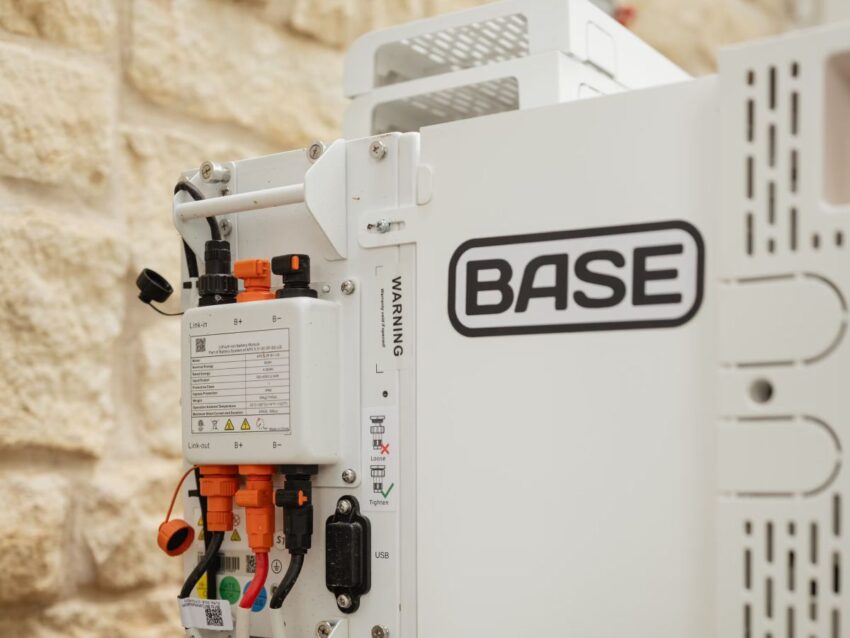
a16z-backed base power is offering cheaper electricity Base Power, a company backed by Andreessen Horowitz (a16z), is revolutionizing the energy sector by providing affordable electricity to the power grid through innovative home-based battery solutions.
a16z-backed base power is offering cheaper electricity
Introduction to Base Power
Founded with the mission to enhance energy accessibility and affordability, Base Power is leveraging cutting-edge technology to reshape how electricity is generated and distributed. The company has identified a significant gap in the traditional energy market, particularly in the way power is sourced and delivered to consumers. By placing batteries in residential homes, Base Power aims to bypass the conventional interconnection queue managed by the PJM Interconnection, which has been plagued by delays and inefficiencies.
The Problem with the PJM Interconnection Queue
The PJM Interconnection is a regional transmission organization that coordinates the movement of wholesale electricity in parts of the United States, including 13 states and the District of Columbia. However, the interconnection queue has faced criticism for its lengthy wait times and bureaucratic hurdles. As demand for renewable energy sources grows, the backlog has become a significant barrier for new projects seeking to connect to the grid.
Many companies have found themselves waiting years to gain access to the grid, which stifles innovation and slows down the transition to cleaner energy sources. Base Power’s strategy to circumvent this queue is a response to these challenges, allowing them to deploy their technology more rapidly and efficiently.
How Base Power Works
Base Power’s model is built around the installation of home batteries that can store energy generated from renewable sources, such as solar panels. These batteries not only provide backup power for homeowners but also allow Base Power to aggregate this stored energy and sell it back to the grid when demand peaks. This dual benefit creates a win-win situation for both the company and the consumers.
Home Battery Installation
The process begins with Base Power installing battery systems in residential homes. Homeowners can opt for this service, which typically involves minimal upfront costs. In exchange for allowing Base Power to use their batteries, homeowners receive backup power during outages and potentially lower electricity bills. This arrangement transforms homes into mini power plants, contributing to the overall energy ecosystem.
Backup Services and Grid Support
Once the batteries are installed, Base Power monitors their usage and integrates them into the larger energy grid. During periods of high demand, the company can draw on the stored energy from these home batteries to supply the grid, effectively acting as a distributed energy resource. This capability is particularly valuable during peak hours when electricity prices soar, providing a cost-effective alternative to traditional power generation methods.
Benefits of Base Power’s Approach
Base Power’s innovative model offers several advantages that could significantly impact the energy landscape.
Cost-Effectiveness
One of the most compelling aspects of Base Power’s approach is its potential to lower electricity costs for consumers. By utilizing home batteries, the company can offer cheaper electricity to the grid, which can translate into savings for homeowners. This model not only makes energy more affordable but also encourages the adoption of renewable energy technologies.
Increased Reliability
With the integration of home batteries, the reliability of the power supply can improve. Homeowners benefit from backup power during outages, while the grid gains a more stable energy source during peak demand. This reliability is crucial as extreme weather events and other disruptions become more frequent due to climate change.
Environmental Impact
Base Power’s model aligns with broader sustainability goals by promoting the use of renewable energy sources. By facilitating the storage and distribution of clean energy, the company contributes to reducing carbon emissions and advancing the transition to a more sustainable energy system.
Stakeholder Reactions
The response to Base Power’s innovative approach has been largely positive, with various stakeholders recognizing its potential to transform the energy market.
Consumer Enthusiasm
Homeowners have expressed enthusiasm for the opportunity to participate in this new energy model. Many are eager to reduce their reliance on traditional power sources and embrace renewable energy solutions. The prospect of lower electricity bills and increased energy independence is particularly appealing in an era of rising energy costs.
Industry Experts
Energy analysts and industry experts have also weighed in on Base Power’s approach. Many see it as a promising solution to the challenges posed by the PJM interconnection queue. By decentralizing energy production and distribution, Base Power could help alleviate some of the bottlenecks that have hindered the growth of renewable energy projects.
Regulatory Considerations
While the response has been largely positive, regulatory considerations remain a critical aspect of Base Power’s operations. The energy sector is heavily regulated, and any new model must navigate a complex landscape of rules and regulations. Base Power will need to work closely with regulatory bodies to ensure compliance and facilitate the integration of its services into the existing energy framework.
Challenges Ahead
Despite the promising outlook, Base Power faces several challenges as it seeks to expand its operations and impact the energy market.
Market Competition
The energy sector is highly competitive, with numerous companies vying for market share in the renewable energy space. Base Power will need to differentiate itself from competitors and demonstrate the unique value of its home battery model. Building strong partnerships and establishing a solid customer base will be essential for long-term success.
Technological Advancements
As technology continues to evolve, Base Power must stay at the forefront of innovation. This includes not only the development of more efficient battery systems but also advancements in energy management software and grid integration technologies. Continuous investment in research and development will be crucial for maintaining a competitive edge.
Public Awareness and Education
Another challenge is raising public awareness about the benefits of home battery systems and the role they can play in the energy landscape. Many consumers may be unfamiliar with the concept of distributed energy resources or may have misconceptions about the technology. Base Power will need to invest in educational initiatives to inform potential customers and build trust in its services.
The Future of Base Power
Looking ahead, Base Power is well-positioned to play a significant role in the future of energy. As the demand for renewable energy solutions continues to rise, the company’s innovative approach could serve as a model for others in the industry. By focusing on home-based battery systems, Base Power not only addresses current challenges but also paves the way for a more sustainable and resilient energy future.
Expansion Plans
Base Power is exploring opportunities for expansion beyond its initial markets. As it gains traction and demonstrates the effectiveness of its model, the company may look to enter new regions and collaborate with additional partners. This expansion could further enhance its impact on the energy landscape and contribute to the broader adoption of renewable energy technologies.
Long-Term Vision
Ultimately, Base Power’s long-term vision aligns with the global push for cleaner, more sustainable energy solutions. By empowering homeowners to take an active role in energy production and consumption, the company is helping to democratize energy access and create a more equitable energy system. As it continues to innovate and adapt to the evolving energy landscape, Base Power has the potential to be a key player in the transition to a sustainable energy future.
Source: Original report
Was this helpful?
Explore more: More Business & Startups Tech News Blog
Last Modified: June 25, 2026 at 11:41 pm
13 views