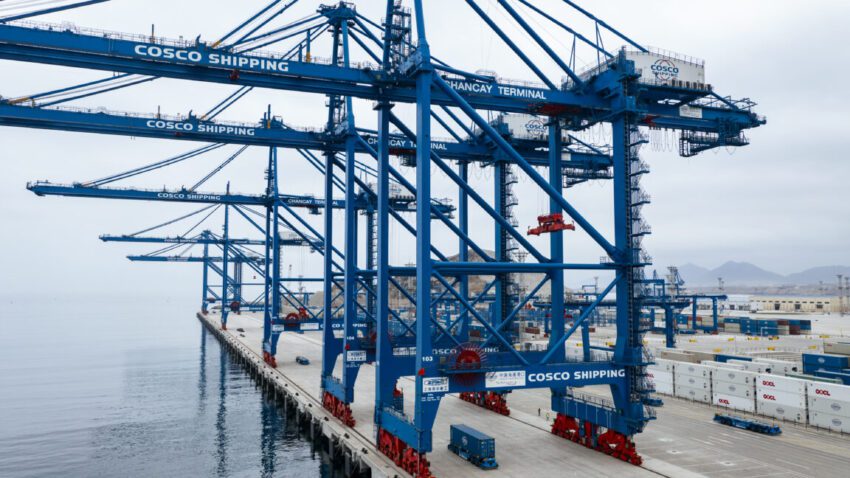
a massive chinese-backed port could push the A new Chinese-backed port project in Chancay, Peru, has raised concerns about its potential impact on the Amazon Rainforest and the broader ecological landscape.
a massive chinese-backed port could push the
Overview of the Chancay Port Project
Located approximately 60 miles north of Lima, the Chancay Port is being developed by the Chinese company China Communications Construction Company (CCCC). This ambitious project aims to create a deep-water port capable of accommodating some of the largest cargo ships in the world. The port is expected to significantly enhance Peru’s shipping capabilities, facilitating trade between South America and Asia.
The port’s development is part of China’s Belt and Road Initiative (BRI), which seeks to improve global trade routes through infrastructure investments. By establishing a foothold in Peru, China aims to strengthen its economic ties in Latin America, a region rich in natural resources and agricultural products.
Technological Innovations and Operations
Advanced Control Systems
Upon entering the fifth-floor control center of the Chancay Port, visitors are greeted by an impressive “Operations Productivity Dashboard.” This high-tech interface displays a wealth of information, including:
- Vehicle locations
- Shipping and entry times
- Loading and unloading data
- Efficiency statistics
The dashboard’s most striking feature is its visualization of shipping routes, depicted as digital streaks that extend thousands of miles across the Pacific Ocean to Asia’s largest ports. This technology not only enhances operational efficiency but also provides real-time data to optimize logistics and reduce delays.
Environmental Considerations
While the technological advancements promise improved efficiency, they also raise significant environmental concerns. The construction and operation of the port could have far-reaching implications for the surrounding ecosystems, particularly the Amazon Rainforest.
Impact on the Amazon Rainforest
The Amazon Rainforest, often referred to as the “lungs of the Earth,” plays a critical role in regulating the global climate. It is home to an unparalleled diversity of flora and fauna, many of which are endemic to the region. However, the expansion of infrastructure projects, such as the Chancay Port, threatens to exacerbate deforestation and habitat destruction.
Deforestation Rates
According to recent studies, deforestation rates in the Amazon have surged in recent years, driven by agricultural expansion, logging, and infrastructure development. The introduction of the Chancay Port is likely to accelerate these trends, as increased access to remote areas could lead to more land being cleared for agriculture and other uses.
Potential Consequences
The consequences of deforestation are dire:
- Loss of biodiversity: Many species face extinction due to habitat loss.
- Climate change: Deforestation contributes to increased greenhouse gas emissions.
- Disruption of indigenous communities: Many indigenous groups rely on the forest for their livelihoods and cultural practices.
Stakeholder Reactions
Local Communities
Local communities in Peru have expressed mixed feelings about the Chancay Port project. On one hand, proponents argue that the port will create jobs and stimulate economic growth. On the other hand, many community members are concerned about the environmental degradation that could result from increased industrial activity.
Environmental Organizations
Environmental organizations have raised alarms about the potential impact of the port on the Amazon. Groups such as Greenpeace and the World Wildlife Fund (WWF) have called for greater scrutiny of the project, urging the Peruvian government to prioritize environmental protection over economic gain.
Government Perspective
The Peruvian government has largely welcomed the investment from China, viewing it as a means to bolster the economy. However, officials have also acknowledged the need for sustainable development practices to mitigate environmental impacts. The challenge lies in balancing economic growth with ecological preservation.
Broader Implications for Latin America
The Chancay Port project is not an isolated endeavor; it is part of a larger trend of Chinese investment in Latin America. Over the past two decades, China has become a significant player in the region, investing in various sectors, including mining, energy, and infrastructure.
Economic Dependencies
As Latin American countries increasingly rely on Chinese investment, concerns about economic dependencies arise. Critics argue that such dependencies could lead to unfavorable trade agreements and a loss of sovereignty over natural resources. The Chancay Port exemplifies this dynamic, as it positions China as a key player in Peru’s economic landscape.
Geopolitical Considerations
The geopolitical implications of the Chancay Port extend beyond Peru. The project is part of China’s broader strategy to expand its influence in the Western Hemisphere, challenging the traditional dominance of the United States in the region. This shift could lead to increased tensions and competition for resources.
Future Outlook
As the Chancay Port project progresses, its long-term impacts on the Amazon Rainforest and the surrounding communities will become clearer. The balance between economic development and environmental sustainability remains a critical issue that stakeholders must navigate.
Potential Mitigation Strategies
To address the environmental concerns associated with the port, several mitigation strategies could be considered:
- Implementing strict environmental regulations to minimize deforestation.
- Investing in reforestation projects to restore damaged ecosystems.
- Engaging local communities in decision-making processes to ensure their voices are heard.
Conclusion
The Chancay Port project represents both an opportunity and a challenge for Peru and the Amazon Rainforest. While it promises economic benefits, the potential environmental costs cannot be overlooked. As the world grapples with climate change and biodiversity loss, the decisions made regarding this port will have lasting implications for the region and beyond.
Source: Original report
Was this helpful?
Explore more: DevOps Services More Cloud & DevOps Tech News
Last Modified: December 6, 2025 at 7:36 pm
20 views