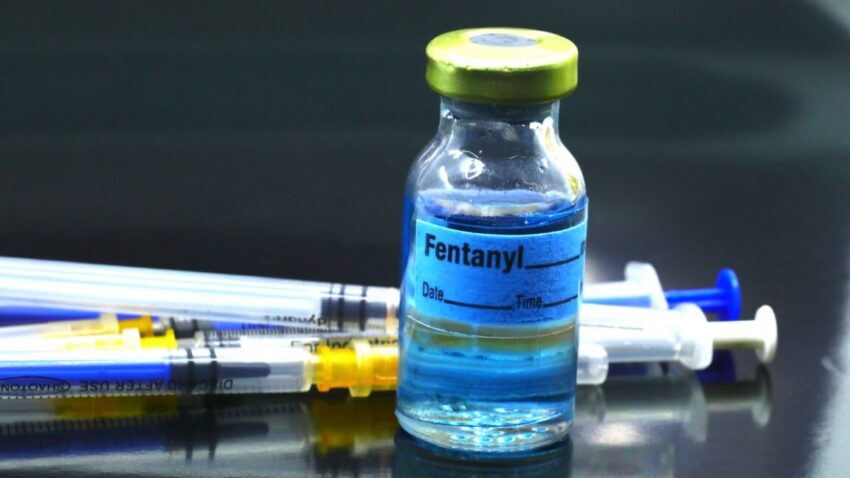
a fentanyl vaccine is about to get A groundbreaking fentanyl vaccine is set to undergo its first major clinical trial, aiming to combat the escalating opioid crisis.
a fentanyl vaccine is about to get
The Opioid Crisis: A Growing Concern
The opioid epidemic has reached alarming proportions in recent years, with synthetic opioids like fentanyl leading the charge. According to the Centers for Disease Control and Prevention (CDC), fentanyl is responsible for a significant portion of the over 100,000 drug overdose deaths in the United States each year. Just a minuscule amount of this potent substance—equivalent to a few grains of sand—can be fatal, making it a particularly insidious threat. Fentanyl is often mixed with other drugs, rendering it tasteless, odorless, and invisible, which can lead to unintentional overdoses among users who are unaware of its presence.
The Impact of Fentanyl
The rise of fentanyl has transformed the landscape of drug addiction and overdose. Unlike traditional opioids, which may take longer to produce effects, fentanyl acts quickly, leading to respiratory failure and death in a matter of minutes. This rapid onset makes it challenging for users to seek help in time. The CDC has reported that synthetic opioids, primarily fentanyl, accounted for nearly 70% of all opioid overdose deaths in 2021. The crisis has not only affected individuals but has also placed immense strain on healthcare systems, law enforcement, and communities nationwide.
Innovative Solutions: The Fentanyl Vaccine
In light of this escalating crisis, innovative solutions are urgently needed. Collin Gage, a biotech entrepreneur, recognized the need for a proactive approach to combat the lethal effects of fentanyl. In 2023, he co-founded ARMR Sciences, a biotechnology company focused on developing a vaccine specifically targeting fentanyl. The vaccine aims to stimulate the immune system to produce antibodies that can neutralize the drug before it reaches the brain, thereby preventing its harmful effects.
The Vision Behind the Vaccine
Gage’s vision for the fentanyl vaccine stems from a desire to shift the current treatment landscape from reactionary measures to preventive strategies. “It became very apparent to me that as I assessed the treatment landscape, everything that exists is reactionary,” Gage stated. “I thought, why are we not preventing this?” His approach represents a significant departure from traditional methods, which often focus on treating addiction after it has already taken hold.
The Upcoming Clinical Trial
ARMR Sciences is now preparing to launch a clinical trial to test the fentanyl vaccine in humans for the first time. This trial is a crucial step in determining the vaccine’s safety and efficacy. The company aims to enroll a diverse group of participants to ensure comprehensive data collection and analysis. The trial will be conducted in phases, beginning with a small group of volunteers to assess safety before expanding to larger cohorts.
Trial Objectives and Methodology
The primary objective of the clinical trial is to evaluate the vaccine’s ability to generate an immune response against fentanyl. Researchers will monitor participants for any adverse effects, as well as measure the levels of antibodies produced in response to the vaccine. If successful, the vaccine could provide a new line of defense against fentanyl overdoses, potentially saving countless lives.
Implications of a Fentanyl Vaccine
The development of a fentanyl vaccine carries significant implications for public health and drug policy. If proven effective, the vaccine could serve as a preventive measure, reducing the number of overdose deaths and alleviating the burden on healthcare systems. Additionally, it could shift the narrative surrounding drug addiction from one of punishment and stigma to one of prevention and health.
Potential Challenges
Despite the promise of a fentanyl vaccine, several challenges remain. One of the primary concerns is the potential for individuals to continue using fentanyl or other opioids, believing they are protected by the vaccine. This could lead to risky behaviors and a false sense of security. Education and awareness campaigns will be essential to ensure that individuals understand the limitations of the vaccine and the importance of continued vigilance against drug use.
Stakeholder Reactions
The announcement of the fentanyl vaccine trial has garnered attention from various stakeholders, including healthcare professionals, addiction specialists, and policymakers. Many experts have expressed cautious optimism about the potential of the vaccine to address the opioid crisis. Dr. Sarah Johnson, a leading addiction researcher, stated, “While we have made strides in treatment options, a vaccine could be a game-changer in preventing overdoses.”
Community Perspectives
Community organizations focused on addiction recovery have also weighed in on the development of the vaccine. Some advocates emphasize the need for a multifaceted approach to the opioid crisis, which includes not only preventive measures like the vaccine but also comprehensive treatment options, mental health support, and community resources. “A vaccine is an exciting development, but we must not lose sight of the broader picture,” said Maria Lopez, a community outreach coordinator. “We need to ensure that individuals have access to the support they need to recover from addiction.”
Looking Ahead: The Future of Opioid Prevention
The fentanyl vaccine trial represents a pivotal moment in the fight against the opioid epidemic. As ARMR Sciences moves forward with its research, the outcomes of the trial could pave the way for new strategies in addiction prevention and treatment. The potential for a vaccine to reduce the number of overdose deaths is a beacon of hope in a landscape often dominated by despair.
Broader Implications for Vaccine Development
The development of a fentanyl vaccine could also have broader implications for vaccine research and development in other areas of addiction and substance use. If successful, it may inspire further exploration into vaccines targeting other drugs, such as cocaine or methamphetamine. This could open new avenues for addressing substance use disorders and reducing the associated health risks.
Conclusion
The upcoming clinical trial for the fentanyl vaccine marks a significant step forward in the ongoing battle against the opioid crisis. With the potential to save lives and change the narrative around addiction, this innovative approach could redefine how society addresses substance use and its consequences. As the trial progresses, the medical community and the public will be watching closely, hopeful for a breakthrough that could alter the course of the epidemic.
Source: Original report
Was this helpful?
Explore more: More General Technology Tech News Blog
Last Modified: December 4, 2025 at 5:36 pm
23 views