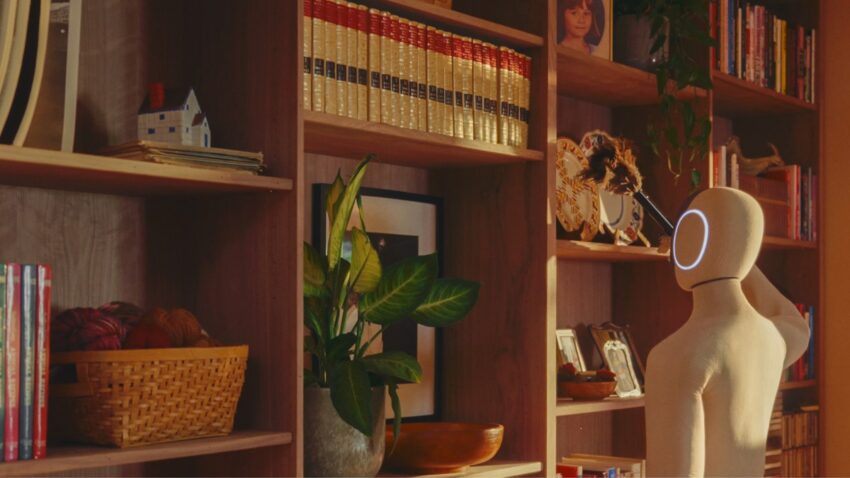
1x struck a deal to send its 1X has announced a significant shift in its business strategy, transitioning its humanoid robots originally designed for home assistance to industrial applications.
1x struck a deal to send its
Background on 1X and Its Humanoid Robots
1X, a robotics company founded with the vision of integrating humanoid robots into everyday life, initially introduced its flagship product, the Neo robot, as a household assistant. The Neo was designed to perform various tasks around the home, such as cleaning, cooking, and providing companionship. With advanced AI capabilities and a user-friendly interface, the Neo aimed to enhance the quality of life for consumers, making daily chores more manageable.
However, the robotics industry is rapidly evolving, and the demand for automation in industrial settings has surged. Companies are increasingly looking for ways to improve efficiency, reduce labor costs, and enhance productivity. Recognizing this trend, 1X has pivoted its focus towards deploying its humanoid robots in factories and warehouses, marking a significant change in its operational strategy.
The Shift to Industrial Applications
The decision to redirect the Neo robots from home environments to industrial applications stems from several factors. Firstly, the industrial sector has a pressing need for automation solutions that can handle repetitive tasks, manage inventory, and assist in logistics. By adapting the Neo robots for these purposes, 1X aims to tap into a lucrative market that is projected to grow exponentially in the coming years.
Market Demand for Automation
The global market for industrial automation is expected to reach $300 billion by 2026, driven by advancements in technology and the increasing need for operational efficiency. Industries such as manufacturing, logistics, and warehousing are particularly keen on integrating robotics to streamline processes. The COVID-19 pandemic further accelerated this trend, as companies sought to minimize human contact and ensure continuity in operations.
1X’s Neo robots, equipped with sophisticated sensors and AI algorithms, can navigate complex environments, interact with human workers, and perform tasks that traditionally required manual labor. This versatility makes them well-suited for various industrial applications, from assembly lines to inventory management.
Technical Capabilities of Neo Robots
The Neo robots are designed with a range of technical features that enhance their functionality in industrial settings:
- Advanced AI and Machine Learning: The Neo robots utilize machine learning algorithms to adapt to their environments and improve their performance over time. This capability allows them to learn from their interactions and optimize their tasks.
- Robust Navigation Systems: Equipped with LIDAR and computer vision, the Neo robots can navigate complex spaces, avoiding obstacles and efficiently moving through warehouses and factories.
- Human-Robot Collaboration: The Neo robots are designed to work alongside human employees, enhancing productivity without replacing the human workforce. Their ability to communicate and collaborate with humans is a key feature that sets them apart from traditional automation solutions.
- Modular Design: The robots can be customized with different attachments and tools, allowing them to perform a variety of tasks, from picking and packing to quality control.
Implications of the Shift
The transition of 1X’s Neo robots to industrial applications carries several implications for the company, its stakeholders, and the broader robotics industry.
Impact on 1X’s Business Model
By shifting its focus to industrial applications, 1X is likely to see a change in its revenue model. The company may benefit from larger contracts and longer-term partnerships with industrial clients, which can provide a more stable income stream compared to the consumer market. However, this shift also means that 1X will need to invest in marketing and sales strategies tailored to industrial clients, which may differ significantly from those used in the consumer market.
Stakeholder Reactions
The response from stakeholders has been mixed. Investors have generally welcomed the move, recognizing the potential for higher returns in the industrial sector. Analysts believe that 1X’s pivot could position the company as a leader in the burgeoning field of industrial robotics.
On the other hand, existing customers who purchased Neo robots for home use may feel uncertain about the future of their products. 1X has assured its consumer base that it will continue to support existing Neo robots, but the focus on industrial applications may lead to concerns about the long-term viability of home-focused features and updates.
Broader Industry Context
The shift by 1X is indicative of a broader trend within the robotics industry. Many companies that initially focused on consumer robotics are now exploring industrial applications as a means of sustaining growth. For instance, firms like Boston Dynamics and SoftBank Robotics have also made moves to adapt their robotic solutions for industrial use, highlighting the growing convergence of consumer and industrial robotics.
This trend raises questions about the future of consumer robotics. As companies prioritize industrial applications, the development of home robots may slow down, potentially limiting innovation in that space. However, it could also lead to advancements in technology that eventually benefit consumer products, as innovations in industrial robotics often trickle down to consumer applications.
Challenges Ahead
Despite the promising prospects, 1X will face several challenges as it transitions its Neo robots to industrial applications.
Technical Challenges
Adapting the Neo robots for industrial use will require significant technical adjustments. The robots must be able to withstand the rigors of industrial environments, which can be harsher than typical home settings. This includes ensuring durability, reliability, and safety in high-paced environments where they will interact with human workers and heavy machinery.
Regulatory and Compliance Issues
Entering the industrial sector also means navigating a complex landscape of regulations and compliance standards. 1X will need to ensure that its robots meet safety standards and industry regulations, which can vary significantly across different sectors and regions. This may involve extensive testing and certification processes that could delay deployment.
Market Competition
The industrial robotics market is highly competitive, with established players already offering robust solutions. 1X will need to differentiate its Neo robots from existing products and demonstrate their unique value proposition to potential clients. This could involve showcasing their adaptability, ease of use, and collaborative capabilities.
Conclusion
1X’s decision to pivot its Neo humanoid robots from home assistance to industrial applications marks a significant shift in the company’s strategy. By capitalizing on the growing demand for automation in factories and warehouses, 1X aims to position itself as a key player in the industrial robotics market. While the transition presents challenges, the potential rewards in terms of market growth and revenue generation are substantial. As the robotics industry continues to evolve, 1X’s move may set a precedent for other companies navigating the intersection of consumer and industrial robotics.
Source: Original report
Was this helpful?
Last Modified: December 12, 2025 at 4:45 am
2 views