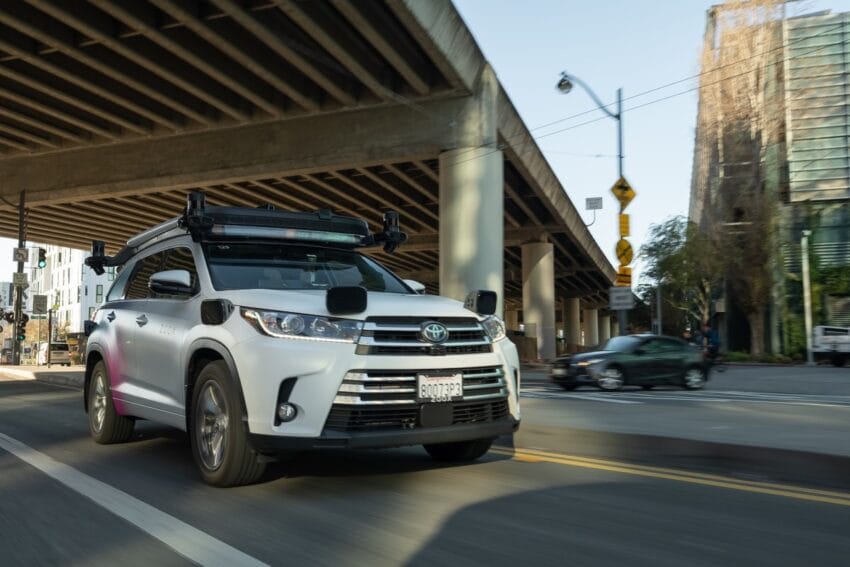
zoox chooses washington dc as its next Zoox, the autonomous vehicle subsidiary of Amazon, has selected Washington D.C. as its next testbed for developing self-driving technology.
zoox chooses washington dc as its next
Overview of Zoox’s Initiative
Zoox’s decision to establish a testing ground in Washington D.C. marks a significant step in its ongoing efforts to advance autonomous vehicle technology. The company plans to begin by mapping the public streets of the nation’s capital, a crucial first step before actual testing of its vehicles commences later this year. This initiative not only highlights Zoox’s commitment to innovation but also reflects the growing trend of urban areas becoming focal points for autonomous vehicle development.
The Importance of Mapping
Mapping is an essential precursor to autonomous vehicle testing. It involves creating detailed digital representations of the environment, including road layouts, traffic signals, pedestrian crossings, and other critical infrastructure. For Zoox, mapping Washington D.C. will provide the foundational data necessary for its vehicles to navigate safely and efficiently.
As cities like Washington D.C. present unique challenges—such as complex traffic patterns, diverse road users, and varying weather conditions—accurate mapping becomes even more vital. The data collected will enable Zoox to refine its algorithms, ensuring that its vehicles can respond appropriately to real-world scenarios.
Regulatory Landscape
The choice of Washington D.C. as a testing location also brings into focus the regulatory environment surrounding autonomous vehicles. The District has been proactive in establishing guidelines for testing self-driving cars, which is crucial for companies looking to innovate in this space. Zoox will need to comply with local regulations, which may include obtaining permits, adhering to safety standards, and coordinating with city officials.
Collaboration with Local Authorities
Collaboration with local authorities is essential for the successful deployment of autonomous vehicles. Zoox’s engagement with D.C. officials will likely involve discussions about public safety, traffic management, and the potential impact on local communities. Such partnerships can facilitate smoother testing processes and help address public concerns regarding safety and the implications of introducing autonomous vehicles into urban environments.
Implications for Urban Mobility
Zoox’s testing in Washington D.C. could have far-reaching implications for urban mobility. As cities grapple with congestion, pollution, and the need for efficient transportation solutions, autonomous vehicles present a promising alternative. By testing its technology in a major urban center, Zoox aims to demonstrate the viability of self-driving cars as a solution to these pressing issues.
Potential Benefits of Autonomous Vehicles
- Reduced Traffic Congestion: Autonomous vehicles can optimize traffic flow through advanced algorithms, potentially reducing the number of vehicles on the road.
- Increased Safety: Self-driving cars are designed to minimize human error, which is a leading cause of accidents. With rigorous testing, Zoox aims to enhance the safety of its vehicles.
- Environmental Impact: Autonomous vehicles can be programmed to drive more efficiently, which may lead to lower emissions and reduced fuel consumption.
- Accessibility: Self-driving technology has the potential to provide mobility solutions for individuals who are unable to drive, including the elderly and disabled.
Stakeholder Reactions
The announcement of Zoox’s testing plans has elicited a range of reactions from various stakeholders, including city officials, transportation advocates, and the general public. While many view the initiative as a positive step toward modernizing urban transportation, others express concerns about safety, job displacement, and the broader implications of autonomous technology.
City Officials’ Perspective
City officials in Washington D.C. have generally welcomed Zoox’s initiative, recognizing the potential benefits of autonomous vehicles. They see the testing as an opportunity to position the city as a leader in transportation innovation. However, officials also emphasize the importance of ensuring that public safety remains a top priority throughout the testing process.
Public Concerns
Public sentiment regarding autonomous vehicles is mixed. While some residents are excited about the prospect of advanced transportation options, others remain skeptical. Concerns about safety, privacy, and the potential for job losses in the transportation sector are prevalent. Zoox will need to engage with the community to address these concerns and build trust in its technology.
Technological Advancements
Zoox’s autonomous vehicle technology is built on a foundation of advanced sensors, machine learning algorithms, and artificial intelligence. The company has developed a unique vehicle design that allows for bidirectional travel, meaning it can navigate in both directions without needing to turn around. This design is particularly advantageous for urban environments where space is limited.
Sensor Technology
The vehicle is equipped with a suite of sensors, including cameras, lidar, and radar, which provide a comprehensive view of the surrounding environment. This sensor fusion enables the vehicle to detect obstacles, recognize traffic signals, and identify pedestrians, ensuring safe navigation through complex urban landscapes.
Machine Learning and AI
Machine learning algorithms play a crucial role in the vehicle’s ability to make real-time decisions. By analyzing data from its sensors, the vehicle can learn from its experiences and improve its performance over time. This continuous learning process is essential for adapting to the dynamic nature of urban driving conditions.
Future Prospects
As Zoox prepares to begin testing in Washington D.C., the company is also looking ahead to future developments. The success of its testing program could pave the way for broader deployment of autonomous vehicles in urban areas across the United States and beyond. Zoox’s efforts may contribute to a paradigm shift in how people view transportation and mobility.
Expansion Plans
If the testing in Washington D.C. proves successful, Zoox may consider expanding its operations to other major cities. Each urban environment presents unique challenges, and the insights gained from D.C. could inform future testing strategies. Additionally, collaboration with other cities could lead to standardized regulations and practices for autonomous vehicle testing.
Long-Term Vision
Zoox’s long-term vision extends beyond just testing autonomous vehicles. The company aims to create a fully integrated transportation ecosystem that includes not only self-driving cars but also infrastructure and services that support seamless mobility. This vision aligns with broader trends in urban planning and smart city initiatives, which seek to enhance the quality of life for residents through innovative transportation solutions.
Conclusion
Zoox’s selection of Washington D.C. as its next autonomous vehicle testbed represents a significant milestone in the evolution of self-driving technology. By mapping the city’s streets and engaging with local authorities, Zoox is laying the groundwork for a comprehensive testing program that could reshape urban mobility. As the company navigates the complexities of regulatory compliance, public perception, and technological advancements, the outcomes of this initiative will be closely watched by stakeholders across the transportation sector.
Source: Original report
Was this helpful?
Last Modified: September 30, 2025 at 6:52 pm
8 views