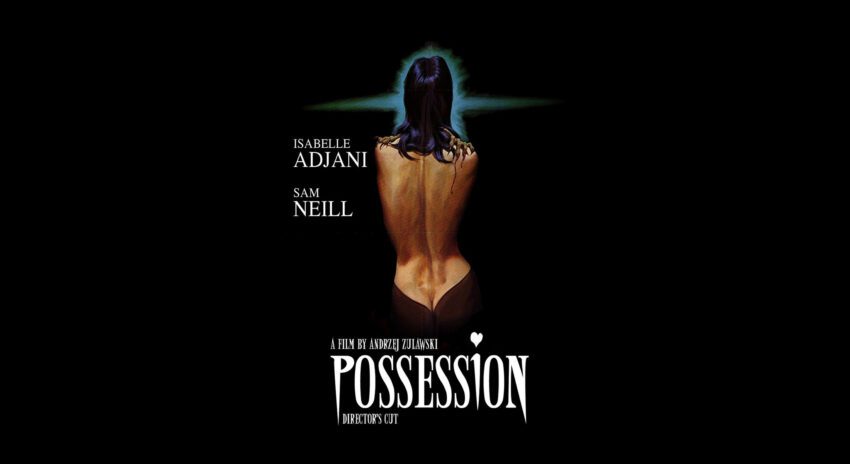
you need to watch the intensely surreal The cult classic film “Possession” continues to captivate audiences with its surreal narrative and unsettling themes.
you need to watch the intensely surreal
Introduction to “Possession”
Released in 1981, “Possession” is a psychological horror film directed by Andrzej Żuławski. The film stars Isabelle Adjani and Sam Neill, both of whom deliver haunting performances that have contributed to the film’s status as a cult classic. Set against the backdrop of a divided Berlin during the Cold War, “Possession” intertwines elements of horror, drama, and surrealism, creating a viewing experience that is as perplexing as it is compelling.
Plot Overview
The narrative follows Mark (Sam Neill), a secret agent who returns home to find that his wife, Anna (Isabelle Adjani), is exhibiting increasingly erratic behavior. As Mark grapples with Anna’s emotional and psychological decline, he discovers that she is involved in a mysterious and disturbing relationship with a creature that embodies her inner turmoil. The film delves into themes of obsession, betrayal, and the disintegration of personal relationships, all while maintaining an atmosphere of dread and confusion.
Initial Reception and Legacy
Upon its release, “Possession” received mixed reviews, with some critics praising its boldness and originality, while others found it difficult to digest. Over the years, however, it has gained a dedicated following, often cited for its unique storytelling and visual style. The film’s unsettling imagery and intense performances have led it to be re-evaluated as a masterpiece of psychological horror.
Thematic Depth
“Possession” is not merely a horror film; it is a complex exploration of human emotions and relationships. The film’s surreal elements serve to amplify the psychological horror, making the viewer question the nature of reality and the characters’ motivations.
Exploration of Relationships
At its core, “Possession” examines the disintegration of marriage and the emotional turmoil that accompanies it. Mark and Anna’s relationship is fraught with tension, betrayal, and a profound sense of alienation. As Mark seeks to understand Anna’s behavior, he becomes increasingly entangled in her psychological struggles. The film portrays their relationship as a microcosm of broader societal issues, reflecting the anxieties of a world divided by political and ideological differences.
Surrealism and Symbolism
The film’s surreal elements are integral to its narrative. The creature that Anna becomes involved with serves as a symbol of her inner conflict and emotional distress. The grotesque nature of the creature reflects the darker aspects of human desire and the lengths to which individuals will go to escape their reality. The film’s dreamlike sequences blur the lines between reality and imagination, leaving viewers questioning what is real and what is a manifestation of the characters’ psyches.
Performances that Haunt
Isabelle Adjani’s performance in “Possession” is often regarded as one of the most compelling aspects of the film. Her portrayal of Anna is both haunting and mesmerizing, capturing the character’s descent into madness with a raw intensity that is difficult to forget. Adjani’s ability to convey a wide range of emotions—from despair to rage—adds depth to the film’s exploration of psychological horror.
Sam Neill’s performance as Mark complements Adjani’s, as he navigates the complexities of a man grappling with his wife’s unraveling mental state. The chemistry between the two actors creates a palpable tension that drives the narrative forward, making their relationship both tragic and relatable.
Cinematic Techniques
Director Andrzej Żuławski employs a variety of cinematic techniques that enhance the film’s unsettling atmosphere. The use of handheld cameras creates a sense of immediacy, immersing viewers in the characters’ emotional turmoil. The film’s editing is also noteworthy, with rapid cuts and disorienting transitions that reflect the chaos of the characters’ lives.
Sound Design
The sound design in “Possession” plays a crucial role in establishing its eerie tone. The unsettling score, composed by Andrzej Korzyński, complements the film’s visuals, heightening the sense of dread and confusion. The use of ambient sounds and jarring noises further immerses the audience in the characters’ psychological states, making the viewing experience all the more intense.
Controversies and Censorship
Upon its release, “Possession” faced significant controversy due to its graphic content and themes. The film’s explicit scenes, including moments of violence and sexual depravity, led to it being banned in several countries. Critics argued that the film’s disturbing imagery overshadowed its artistic merits, while supporters contended that it was a bold exploration of complex themes.
In recent years, discussions surrounding censorship and artistic expression have reignited interest in “Possession.” The film’s controversial nature has prompted debates about the boundaries of cinema and the responsibilities of filmmakers in portraying difficult subject matter. As audiences become more open to exploring challenging narratives, “Possession” has found a new audience eager to engage with its themes.
Viewing Recommendations
For those interested in experiencing “Possession,” it is highly recommended to approach the film without prior knowledge of its plot. The film is available for streaming on platforms such as Shudder, Criterion, Metrograph, Kanopy, and Hoopla, making it accessible to a wider audience. Engaging with the film in a blind viewing can enhance the experience, allowing viewers to fully immerse themselves in its surreal and unsettling world.
Discussion and Community Engagement
After watching “Possession,” viewers are encouraged to engage in discussions about the film’s themes, performances, and cinematic techniques. Online forums and social media platforms provide spaces for fans to share their interpretations and insights, fostering a sense of community among those who appreciate the film’s unique qualities. The film’s complexity invites varied interpretations, making it a rich topic for discussion.
Conclusion
“Possession” stands as a testament to the power of cinema to explore the depths of human emotion and the complexities of relationships. Its surreal narrative, combined with outstanding performances and innovative cinematic techniques, solidifies its place in the pantheon of cult classics. As audiences continue to discover and discuss this film, its legacy as a provocative exploration of psychological horror remains intact.
Source: Original report
Was this helpful?
Last Modified: February 16, 2026 at 1:38 am
5 views