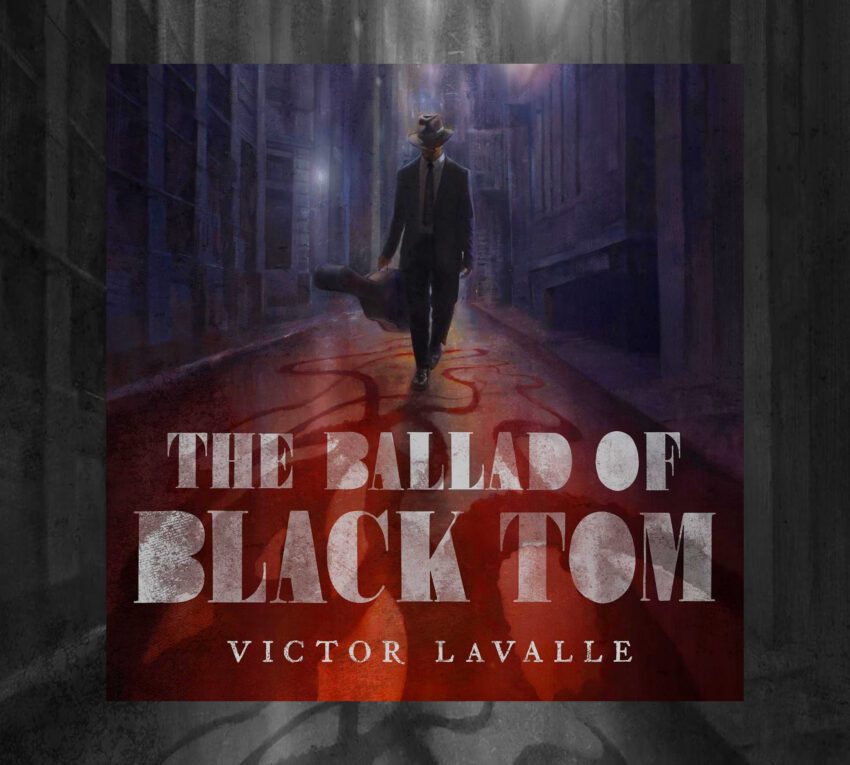
you need to read the subversive cosmic Victor LaValle’s novella, The Ballad of Black Tom, offers a fresh and subversive take on the cosmic horror genre, particularly in its critique of H.P. Lovecraft’s problematic legacy.
you need to read the subversive cosmic
Revisiting Lovecraft’s Legacy
H.P. Lovecraft is often hailed as a foundational figure in the horror genre. His ability to create a vast mythos and build an unsettling atmosphere has influenced countless writers and filmmakers. However, his work is also marred by his overt racism and xenophobia, which permeate many of his stories. This duality presents a challenge for modern readers and creators who wish to engage with Lovecraft’s work while grappling with its darker implications.
One of Lovecraft’s most infamous stories, The Horror at Red Hook, exemplifies this tension. The narrative follows Detective Thomas Malone as he investigates a sinister cult operating in Brooklyn’s Red Hook neighborhood. The story is rife with stereotypes and prejudices that reflect Lovecraft’s own biases. In this context, LaValle’s The Ballad of Black Tom serves not only as a retelling but also as a reclamation of the narrative from a distinctly different perspective.
The Ballad of Black Tom: A New Perspective
LaValle’s novella centers on Charles Thomas Tester, a hustler in 1920s New York who becomes embroiled in the dark underbelly of the city. Unlike Lovecraft’s protagonists, who often find themselves helpless against incomprehensible forces, Tester is a character with agency, navigating a world that is both familiar and alien. LaValle’s choice to focus on a Black protagonist allows him to explore themes of race and identity that Lovecraft largely ignored or misrepresented.
Characterization and Agency
One of the most significant aspects of LaValle’s retelling is the depth of its characters. Tester is not merely a pawn in a cosmic game; he is a fully realized individual with dreams, desires, and flaws. LaValle’s portrayal of Tester contrasts sharply with Lovecraft’s often one-dimensional characters, who frequently serve as vehicles for the author’s philosophical musings rather than as relatable human beings.
Tester’s journey through the novella is marked by his struggles against both supernatural forces and the systemic racism of his time. LaValle deftly weaves these elements together, creating a narrative that is rich in social commentary while still delivering the thrills of a horror story. This dual focus on personal and societal issues elevates The Ballad of Black Tom beyond a simple retelling; it becomes a profound exploration of the intersections between race and horror.
Atmosphere and Mythos
While LaValle critiques Lovecraft’s shortcomings, he also pays homage to the elements that make Lovecraft’s work compelling. The atmosphere in The Ballad of Black Tom is thick with dread, reminiscent of Lovecraft’s best works. LaValle expertly crafts a sense of unease that permeates the novella, drawing readers into a world where the unknown lurks just beyond the veil of reality.
Moreover, LaValle expands on Lovecraft’s mythos, introducing new elements that enrich the narrative. The cosmic horrors that Tester encounters are not merely manifestations of Lovecraft’s imagination; they are reinterpreted through the lens of LaValle’s cultural and historical context. This reimagining allows for a more nuanced understanding of the horror genre, one that acknowledges the contributions of marginalized voices.
Implications of Reclamation
The act of reclaiming Lovecraft’s narratives is not without its complexities. For many, engaging with Lovecraft’s work can feel like a betrayal of the values that oppose racism and xenophobia. However, LaValle’s approach demonstrates that it is possible to confront and critique the problematic aspects of Lovecraft’s legacy while also celebrating the genre’s potential for exploration and innovation.
By placing a Black protagonist at the center of his story, LaValle challenges the traditional narratives that have dominated the horror genre. This reclamation is not just an act of resistance; it is a call to action for contemporary writers to engage with the past critically and creatively. The Ballad of Black Tom serves as a blueprint for how to navigate the complexities of genre and representation in literature.
Stakeholder Reactions
The reception of The Ballad of Black Tom has been largely positive, with many critics praising LaValle’s ability to blend horror with social commentary. Readers have noted that the novella not only entertains but also provokes thought about the implications of race in horror literature. This response highlights a growing awareness within the literary community about the need for diverse voices and perspectives in genres that have historically been dominated by white authors.
Moreover, LaValle’s work has sparked discussions about the importance of representation in horror. As more writers of color enter the genre, they bring with them unique experiences and viewpoints that enrich the narrative landscape. This shift is crucial for the evolution of horror, as it allows for a broader exploration of fear and the human condition.
Conclusion: The Future of Horror
The Ballad of Black Tom stands as a testament to the power of storytelling to challenge and transform. LaValle’s novella not only reclaims a narrative from Lovecraft’s shadow but also invites readers to reconsider the boundaries of the horror genre. By centering a Black protagonist and addressing issues of race and identity, LaValle opens up new avenues for exploration within cosmic horror.
As the literary world continues to grapple with Lovecraft’s legacy, works like The Ballad of Black Tom serve as essential reminders of the importance of diverse voices in shaping the future of horror. The genre has the potential to be a space for reflection, critique, and ultimately, healing. LaValle’s novella is a significant step in that direction, demonstrating that horror can be both a mirror and a lens through which we examine our society and ourselves.
Source: Original report
Was this helpful?
Last Modified: December 29, 2025 at 10:37 am
3 views