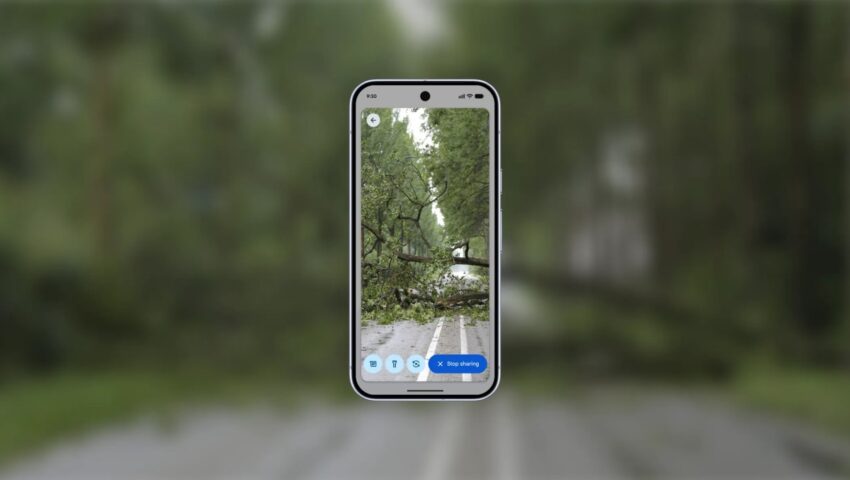
you can now share live video with A new feature on Android devices allows users to share live video with emergency services, enhancing the way critical information is communicated during emergencies.
you can now share live video with
Introduction to the New Feature
In a significant advancement for emergency response technology, Android has introduced a feature that enables users to share live video feeds directly with emergency services. This capability is expected to provide dispatchers with real-time visual context during critical situations, such as car accidents, fires, or medical emergencies. By facilitating this direct line of communication, the feature aims to improve the efficiency and effectiveness of emergency response efforts.
How the Feature Works
The process for utilizing this new feature is designed to be straightforward, ensuring that users can quickly engage it during high-stress situations. When a user contacts emergency services, they will have the option to share a live video feed from their device’s camera. This video can provide crucial information, such as the nature of the emergency, the condition of individuals involved, and the surrounding environment.
Technical Specifications
The feature leverages existing smartphone technology, utilizing the device’s camera and internet connectivity to transmit video in real-time. The video quality is optimized for clarity while minimizing data usage, ensuring that even users with limited bandwidth can share vital information. The integration of this feature into the existing emergency call system means that users do not need to download a separate application or undergo extensive setup procedures.
User Experience and Accessibility
Android’s design team has prioritized user experience in the implementation of this feature. The interface is intuitive, allowing users to easily toggle the video sharing option during an emergency call. Additionally, the feature is designed to be accessible to all users, including those with disabilities. Voice commands and screen reader compatibility are included to ensure that everyone can utilize this life-saving technology.
Potential Impact on Emergency Response
The introduction of live video sharing has the potential to revolutionize how emergency services respond to incidents. Traditionally, dispatchers rely on verbal descriptions provided by callers, which can sometimes lead to misunderstandings or incomplete information. The ability to see the situation as it unfolds can significantly enhance the decision-making process for emergency responders.
Improved Situational Awareness
One of the most significant benefits of sharing live video is the enhancement of situational awareness for emergency dispatchers. In scenarios such as car accidents, the visual context can help dispatchers assess the severity of the situation and allocate resources accordingly. For instance, if a dispatcher can see that multiple vehicles are involved and that there are injuries, they can prioritize sending ambulances and additional units to the scene.
Real-Time Assessment of Medical Emergencies
In medical emergencies, the ability to share live video can be particularly beneficial. Dispatchers can observe the condition of the patient and provide real-time instructions to bystanders or family members on how to administer first aid or CPR. This immediate visual feedback can be crucial in saving lives while waiting for professional medical assistance to arrive.
Stakeholder Reactions
The rollout of this feature has garnered a range of reactions from various stakeholders, including emergency service providers, technology experts, and the general public.
Emergency Service Providers
Many emergency service providers have expressed enthusiasm about the potential of live video sharing. They believe that this feature will enhance their ability to respond effectively to emergencies. “Having visual information in real-time can change the way we assess situations and deploy resources,” said a spokesperson for a major urban fire department. “This could lead to faster response times and ultimately save lives.”
Technology Experts
Technology experts have also weighed in on the implications of this feature. Some have pointed out that while the technology is promising, it raises questions about privacy and data security. “It’s essential to ensure that the video feeds are secure and that users are aware of how their data is being used,” noted a cybersecurity analyst. “Transparency will be key in building trust with the public.”
Public Reception
The general public’s response has been mixed, with many expressing excitement about the potential benefits, while others have raised concerns about privacy. Some users worry that sharing live video could lead to misuse or unauthorized access to sensitive information. Android has stated that they are committed to implementing robust security measures to protect user data and ensure that video feeds are only accessible to emergency responders during the call.
Privacy and Security Considerations
As with any technology that involves sharing personal data, privacy and security are paramount concerns. Android has emphasized that the live video feature is designed with user privacy in mind. The video feed is encrypted and can only be accessed by emergency services during the call. Once the call ends, the video is deleted from the system, ensuring that no unauthorized parties can access the footage.
Regulatory Compliance
In addition to technical safeguards, Android is also working to comply with relevant regulations regarding data privacy. This includes adhering to laws such as the General Data Protection Regulation (GDPR) in Europe and the California Consumer Privacy Act (CCPA) in the United States. By ensuring compliance with these regulations, Android aims to build trust with users and reassure them that their data is handled responsibly.
Future Developments and Enhancements
The introduction of live video sharing is just the beginning of what could be a broader trend in emergency response technology. Android has indicated that they are exploring additional features that could further enhance this capability. Future developments may include:
- Integration with Wearable Devices: The possibility of integrating live video sharing with wearable devices, such as smartwatches, could allow users to share emergency footage even more seamlessly.
- AI-Assisted Analysis: Implementing artificial intelligence to analyze video feeds in real-time could help dispatchers identify critical information, such as the presence of smoke or the number of individuals involved in an incident.
- Expanded Accessibility Features: Ongoing efforts to improve accessibility for users with disabilities will likely lead to further enhancements in how the feature can be used by all individuals.
Conclusion
The ability to share live video with emergency services on Android represents a significant leap forward in emergency response technology. By providing dispatchers with real-time visual context, this feature has the potential to improve situational awareness, enhance decision-making, and ultimately save lives. While there are valid concerns regarding privacy and security, Android’s commitment to safeguarding user data and complying with regulations is a positive step toward addressing these issues. As this technology continues to evolve, it will be interesting to see how it shapes the future of emergency response and public safety.
Source: Original report
Was this helpful?
Last Modified: December 11, 2025 at 12:41 pm
1 views